HeadPowder, a leading engineering firm based in Shandong, China, specializes in the design and implementation of advanced biomass powder conveying systems. This article provides a detailed overview of the operation process and working principles of such lines, highlighting the technical aspects and operational efficiency of the equipment.
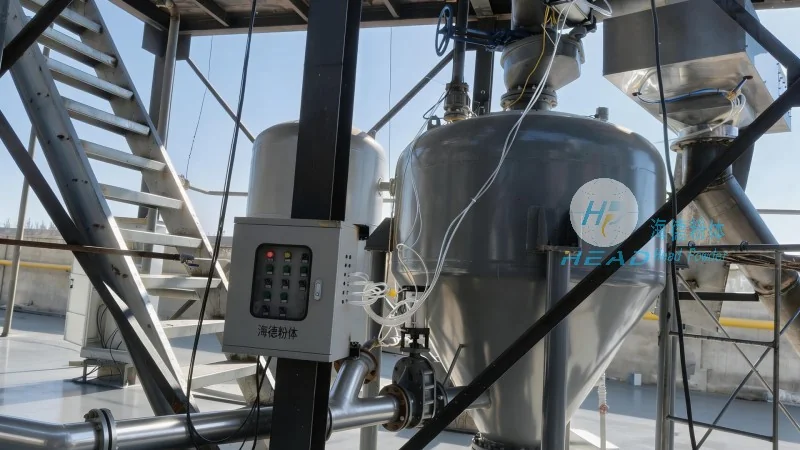
Overview of Biomass Powder Conveying Lines
Biomass powder conveying lines are critical components in the processing and handling of biomass materials, which are widely used as renewable energy sources and raw materials in various industries. These systems are engineered to transport biomass powders from storage or processing units to downstream equipment efficiently and reliably. The design of these lines typically involves a combination of components such as feeders, conveyors, control systems, and dust collection units, all working in tandem to ensure smooth material flow and minimal loss.
The Operation Process of Biomass Powder Conveying Lines
The operation process of a biomass powder conveying line begins with the material feeding stage. Biomass powders, which may include wood chips, straw, or other organic materials processed into fine powders, are first stored in silos or hoppers. A feeder, often a screw or rotary type, then regulates the flow of the material from the storage container into the conveying system. The feeder ensures a consistent and controlled feed rate, which is crucial for maintaining the efficiency of the subsequent conveying stages.
Once the material is fed into the conveyor, it is transported through a pipeline or a series of connected conveying units. The most common types of conveyors used in biomass powder systems include pneumatic conveyors (air-assisted) and mechanical conveyors (such as belt or screw conveyors). Pneumatic conveyors use compressed air to move the powder through a pipeline, while mechanical conveyors rely on mechanical force to transport the material. The choice of conveyor type depends on factors like material properties, distance to be conveyed, and system capacity.
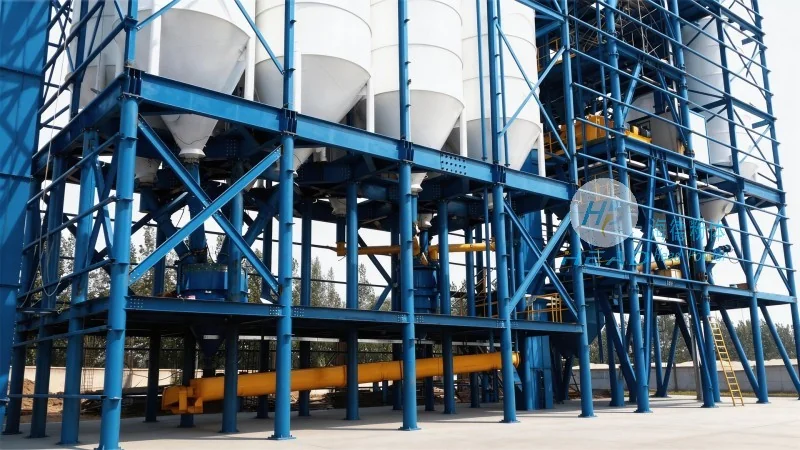
During the conveying process, the system may incorporate features such as air filtration and dust suppression to maintain air quality and prevent material degradation. This is particularly important in biomass processing, where fine powders can generate significant dust. The control system, which is typically integrated with sensors and automation technology, monitors the flow rate, pressure, and other parameters to ensure optimal operation. It can adjust the feeder speed, conveyor speed, or air pressure as needed to maintain consistent material transport.
The material is then delivered to the final destination, which could be a boiler, a pelletizing machine, or another processing unit. The receiving equipment is designed to handle the incoming biomass powder smoothly, preventing blockages or spillage. The entire operation process is designed to be continuous and automated, minimizing human intervention and maximizing throughput.
The Working Principle of Biomass Powder Conveying Lines
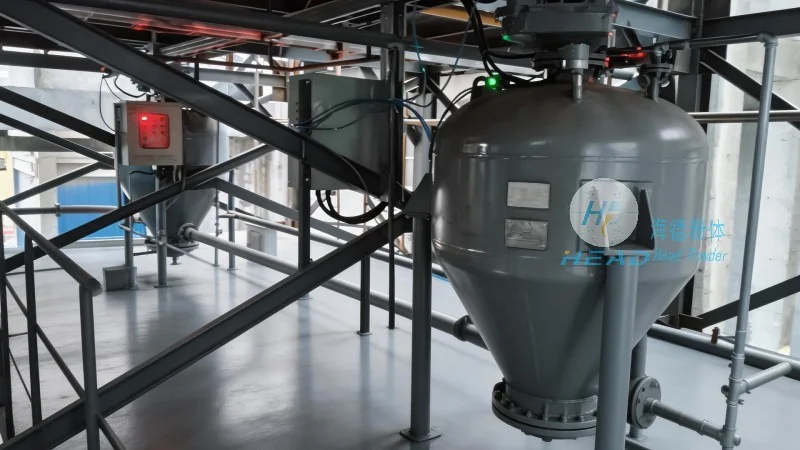
The working principle of biomass powder conveying lines is based on the fundamental physics of material transport. For pneumatic conveyors, the core principle is the use of air pressure to create a flow of material through a pipeline. The material is suspended in the air stream and carried to the destination. The air velocity must be sufficient to overcome the gravitational force and the frictional resistance of the material particles. The system typically operates under positive pressure, where the air pressure inside the pipeline is higher than the ambient air pressure, ensuring the material is pushed forward.
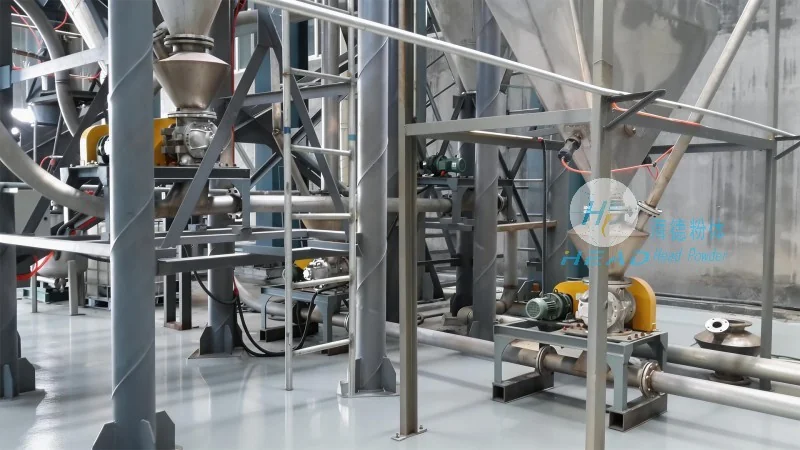
In mechanical conveyors, the working principle involves the use of mechanical components to move the material along a path. For example, a screw conveyor uses a rotating screw to push the material forward, while a belt conveyor uses a moving belt to transport the material. The mechanical force applied by the conveyor is sufficient to overcome the friction between the material and the conveyor surface, as well as the gravitational force acting on the material. The speed of the conveyor is adjusted to control the material flow rate and ensure smooth transport.
The control system plays a vital role in the working principle by regulating the various parameters of the conveying process. Sensors, such as pressure sensors, flow meters, and level sensors, provide real-time data about the system's status. This data is processed by the control unit, which then adjusts the operation of the feeder, conveyor, or air compressor to maintain optimal conditions. The automation of the system ensures that the conveying process is efficient, reliable, and safe.
Key Components and Their Functions
Several key components are integral to the operation of biomass powder conveying lines. The feeder is responsible for controlling the initial flow of material from the storage unit. The conveyor, whether pneumatic or mechanical, is the main transport mechanism. The control system manages the entire operation, ensuring that all components work together seamlessly. The dust collection system is essential for maintaining air quality and preventing dust-related issues. Each component is designed to work in harmony, contributing to the overall efficiency and effectiveness of the biomass powder conveying line.
Benefits and Applications
Biomass powder conveying lines offer several benefits in industrial applications. They provide a reliable and efficient method for transporting biomass materials, which is crucial for the production of renewable energy and bio-based products. The systems are designed to handle a wide range of biomass powders, from fine wood powders to agricultural residues. They can be customized to meet specific operational requirements, such as conveying distance, material flow rate, and system capacity. The use of advanced control systems ensures that the conveying process is optimized for maximum efficiency and minimal energy consumption.
The applications of biomass powder conveying lines are diverse and include the production of biomass pellets, biofuels, and other bio-based products. They are also used in power generation plants, where biomass is used as a fuel source. The systems are essential for the smooth operation of these facilities, ensuring that biomass materials are transported from storage to the combustion or processing units without interruption.
Conclusion
In conclusion, biomass powder conveying lines are sophisticated systems that play a vital role in the processing and handling of biomass materials. The operation process involves a series of steps, from material feeding to delivery, all managed by an integrated control system. The working principle is based on the use of pneumatic or mechanical forces to transport the material, with the control system ensuring optimal operation. The key components work together to provide an efficient and reliable conveying solution. As the demand for renewable energy and bio-based products grows, the importance of such systems will continue to increase, making them a critical part of the sustainable industrial landscape.




