Shandong HeadPowder Engineering Co., Ltd., a leading enterprise in the powder handling industry, specializes in the design, manufacturing, and integration of advanced conveying systems for various industrial applications. HeadPowder, as the company is commonly known, is headquartered in Shandong, China, and has established a strong reputation for delivering high-efficiency and reliable solutions tailored to the specific needs of clients in the mineral processing sector. This article provides a detailed overview of the operation process and working principle of a zircon sand powder conveying line, highlighting the key components, operational steps, and the engineering expertise behind such systems.
Overview of Zircon Sand Powder Conveying Systems
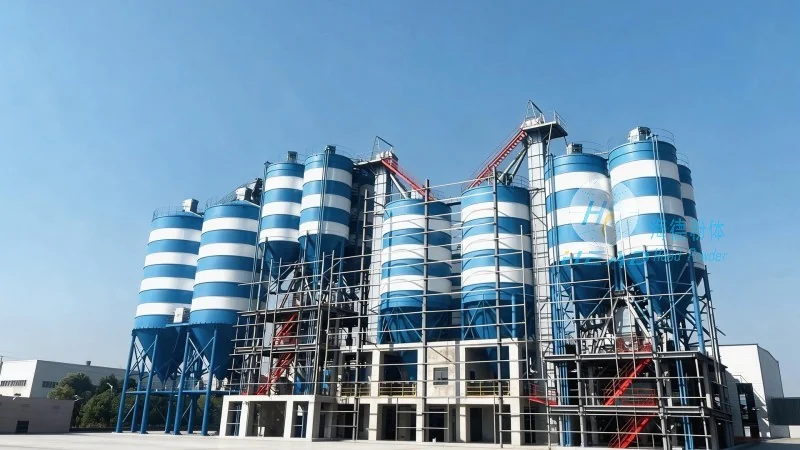
Zircon sand, a valuable mineral resource widely used in the production of ceramics, glass, and refractory materials, requires efficient and safe handling from extraction to processing. A zircon sand powder conveying line is a critical piece of equipment designed to transport zircon sand powder from storage silos or processing units to downstream equipment such as classifiers, ball mills, or packaging systems. The system typically consists of a combination of components including hoppers, feeders, conveyor belts or pipes, control panels, and safety mechanisms, all working in tandem to ensure a continuous and controlled flow of material. The design of these systems is tailored to handle the specific characteristics of zircon sand, such as its particle size distribution, moisture content, and abrasive nature, which can impact the performance and longevity of the conveying equipment.
Working Principle of the Conveying Line
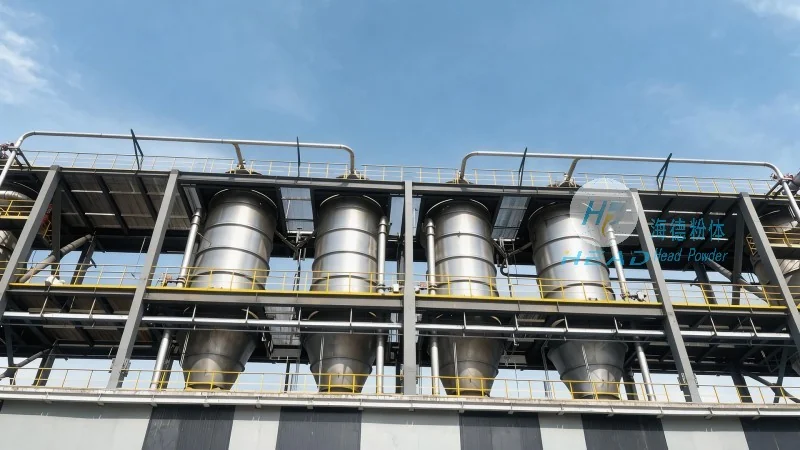
The core working principle of a zircon sand powder conveying line revolves around the use of mechanical forces to move the material through a closed or semi-closed system. The process begins with the material being discharged from a storage hopper into a feeding device, such as a rotary valve or a screw feeder. This feeder regulates the flow rate of the zircon sand, ensuring a consistent and controlled supply to the conveyor. The conveyor itself, which can be a belt conveyor, a pneumatic conveyor, or a screw conveyor depending on the application, transports the material along a designated path. In belt conveyors, the material is placed on the moving belt and carried to the discharge point. Pneumatic conveyors, on the other hand, use air pressure to suspend and transport the powder through a pipeline, often employing cyclone separators or filters to separate the material from the air at the end of the line. The control panel plays a crucial role in monitoring and controlling the entire system, adjusting parameters such as feed rate, conveyor speed, and pressure to maintain optimal operation. Safety features, including emergency stop buttons, overload protection, and dust suppression systems, are integrated into the design to ensure safe and reliable operation.
Step-by-Step Operation Process
The operation of a zircon sand powder conveying line follows a systematic sequence of steps to ensure efficient material transfer. The process starts with the preparation phase, where the zircon sand is loaded into the storage hopper. The hopper is equipped with a level indicator to monitor the material level, and when the level reaches a certain threshold, the feeder is activated to start the material flow. The feeder then regulates the flow rate, ensuring that the conveyor receives a steady stream of material. The conveyor transports the zircon sand to the discharge point, where it is either transferred to a downstream processing unit or collected in a receiving container. The control panel continuously monitors the system parameters, such as flow rate, pressure, and temperature, and adjusts the settings as needed to maintain optimal performance. In case of any abnormalities, such as a blockage or an overload, the safety mechanisms are activated to stop the system and alert the operators. The entire operation is automated to a large extent, reducing the need for manual intervention and minimizing the risk of human error. The system is designed to operate continuously, with regular maintenance checks to ensure that all components are functioning properly and to prevent any downtime.
Key Components and Their Functions
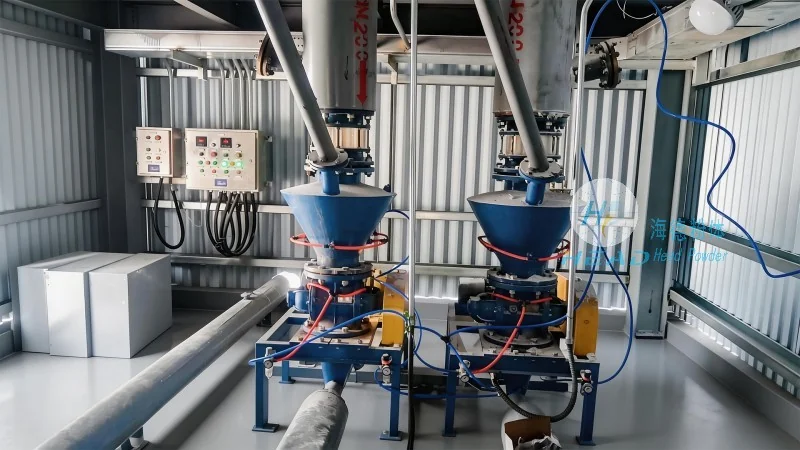
Several key components are integral to the operation of a zircon sand powder conveying line, each playing a specific role in the overall process. The storage hopper is the first component, responsible for holding the zircon sand before it is conveyed. It is typically made of durable materials such as steel or stainless steel to withstand the abrasive nature of the material. The hopper is equipped with a discharge outlet, often fitted with a rotary valve or a gate valve, which controls the flow of material into the feeder. The feeder, as mentioned earlier, is a critical component that regulates the flow rate of the zircon sand. It can be a screw feeder, a vibratory feeder, or a rotary valve, depending on the specific requirements of the application. The feeder ensures that the material is fed at a consistent rate, preventing overloading of the conveyor and maintaining a steady flow. The conveyor itself is the main transport mechanism, which can be a belt conveyor, a pneumatic conveyor, or a screw conveyor. Belt conveyors are commonly used for bulk material handling due to their high capacity and low maintenance requirements. Pneumatic conveyors are ideal for handling fine powders and can transport material over longer distances with minimal loss. Screw conveyors are suitable for handling materials with a higher moisture content or those that are more cohesive. The control panel is another essential component, which houses the control system and monitoring equipment. It allows operators to adjust the system parameters and monitor the operation in real-time. The control panel may include sensors for level, pressure, temperature, and flow rate, as well as alarms and indicators for any abnormalities. Safety features, such as emergency stop buttons, overload protection, and dust suppression systems, are also integrated into the control panel to ensure safe operation. The dust suppression system is particularly important in zircon sand handling, as the material can generate significant dust during the conveying process. It typically consists of a dust collector and a filtration system that captures the dust and returns it to the system or disposes of it safely. The system is designed to minimize dust emissions and comply with environmental regulations.
Advantages of Zircon Sand Powder Conveying Lines
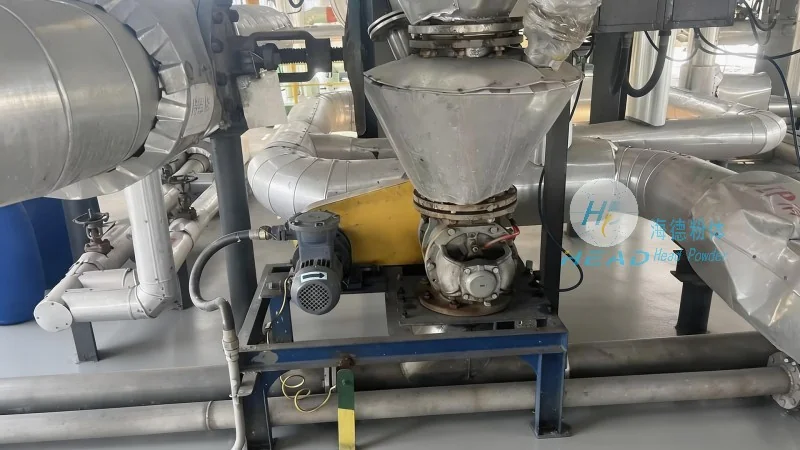
Implementing a zircon sand powder conveying line offers several advantages for industrial operations. First, it improves the efficiency of material handling by providing a continuous and controlled flow of zircon sand from storage to processing units. This reduces the time and labor required for manual handling, leading to increased productivity and reduced operational costs. Second, the system enhances safety by minimizing the need for manual handling of the material, which can be hazardous due to its abrasive nature and potential dust generation. The integrated safety features, such as emergency stop buttons and dust suppression systems, further reduce the risk of accidents and ensure a safe working environment. Third, the conveying line improves the quality of the zircon sand by preventing contamination and ensuring a consistent particle size distribution. This is crucial for downstream processes, as the quality of the final product depends on the quality of the raw material. Fourth, the system is designed for easy maintenance and repair, with modular components that can be replaced or serviced without disrupting the entire operation. This reduces downtime and ensures that the system operates at optimal performance levels. Finally, the zircon sand powder conveying line is scalable and can be customized to meet the specific needs of different applications, from small-scale operations to large industrial plants. This flexibility allows clients to choose a system that best fits their production requirements and budget.
Conclusion
In conclusion, the operation process and working principle of a zircon sand powder conveying line are critical to the efficient and safe handling of zircon sand in industrial applications. The system, designed and manufactured by Shandong HeadPowder Engineering Co., Ltd., incorporates advanced engineering and technology to ensure high performance, reliability, and safety. By understanding the key components, operational steps, and advantages of such systems, clients can make informed decisions about implementing a zircon sand powder conveying line that meets their specific needs. HeadPowder's expertise in powder handling systems, combined with its commitment to quality and customer satisfaction, makes it a trusted partner for businesses seeking reliable and efficient conveying solutions for their zircon sand processing operations.




