Aluminum sulfate, a critical chemical widely used in water treatment, paper manufacturing, and various industrial processes, requires efficient and reliable transportation methods to ensure consistent supply and operational efficiency. Among the advanced techniques available, pneumatic conveying stands out as a sophisticated solution that addresses the unique challenges associated with handling this material. This article explores the pivotal role of pneumatic conveying systems in the transportation of aluminum sulfate, highlighting how such systems enhance operational performance, maintain material integrity, and contribute to overall industrial productivity.
Understanding Pneumatic Conveying Systems
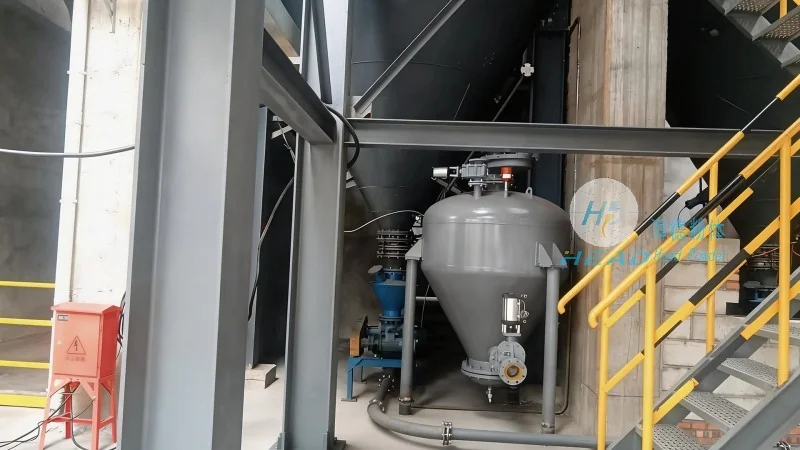
Pneumatic conveying involves the use of air or other gases to transport bulk materials like aluminum sulfate through a pipeline system. Unlike traditional mechanical conveying methods, which rely on belts, buckets, or screws, pneumatic systems utilize pressure differentials to move materials. There are two primary types of pneumatic conveying: dilute-phase and dense-phase. Dilute-phase systems operate at higher velocities, suitable for lighter materials and shorter distances, while dense-phase systems use lower velocities and higher pressure to move materials more gently, minimizing product degradation. For aluminum sulfate, which can be sensitive to abrasion and temperature changes, the choice of system type is crucial to preserve its quality and effectiveness.
Key Advantages of Pneumatic Conveying for Aluminum Sulfate
Implementing pneumatic conveying for aluminum sulfate offers several significant advantages that impact industrial operations. First, it enhances material handling efficiency by eliminating the need for manual or mechanical transfer points, reducing downtime and labor costs. The continuous flow of material through a closed system also minimizes exposure to environmental factors, such as moisture or contamination, which can affect the chemical properties of aluminum sulfate. Additionally, pneumatic systems allow for precise control over the flow rate and pressure, ensuring consistent delivery to processing units. This precision is particularly important in applications where the concentration and purity of aluminum sulfate are critical, such as in water treatment plants where it is used as a coagulant to remove impurities from water.
How Pneumatic Conveying Preserves Aluminum Sulfate Quality
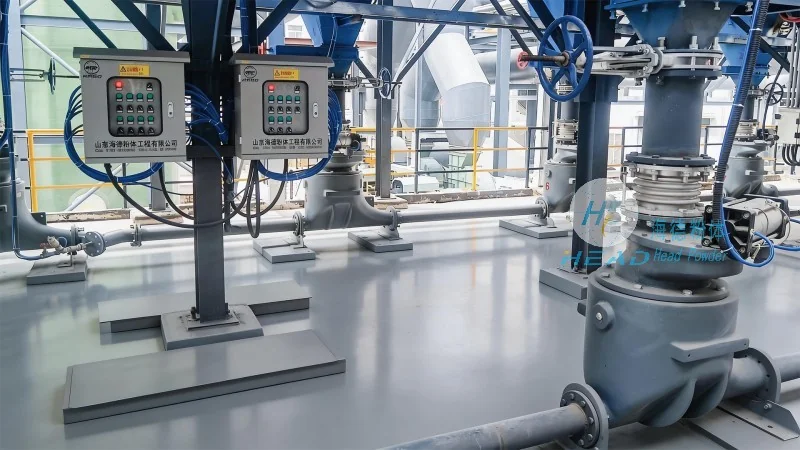
Aluminum sulfate is a hygroscopic material, meaning it readily absorbs moisture from the air, which can alter its chemical composition and reduce its effectiveness. Pneumatic conveying systems, especially when designed with sealed pipelines and controlled air flow, help maintain low humidity levels, preventing moisture absorption. Moreover, the gentle movement of material in dense-phase systems reduces mechanical stress and abrasion, preserving the granular structure of aluminum sulfate. This is vital because the physical properties of the material, such as particle size and surface area, directly influence its reactivity in industrial processes. By minimizing degradation, pneumatic conveying ensures that the aluminum sulfate delivered to the end-user remains in optimal condition, ready for immediate use.
Applications in Industrial Settings
The benefits of pneumatic conveying are evident across various industries that utilize aluminum sulfate. In water treatment facilities, for example, the material is often stored in bulk and then conveyed to dosing systems where it is mixed with water to form a coagulant. Pneumatic systems enable the seamless transfer of aluminum sulfate from storage silos to the dosing point, ensuring a steady supply without interruptions. Similarly, in the paper industry, aluminum sulfate is used as a sizing agent to improve paper strength and water resistance. Pneumatic conveying allows for the efficient transport of the material from storage to the paper-making machinery, maintaining consistent quality in the final product. Other applications include its use in the production of aluminum salts, where precise material handling is essential to control reaction rates and product purity.
Customization and Scalability of Pneumatic Conveying Systems
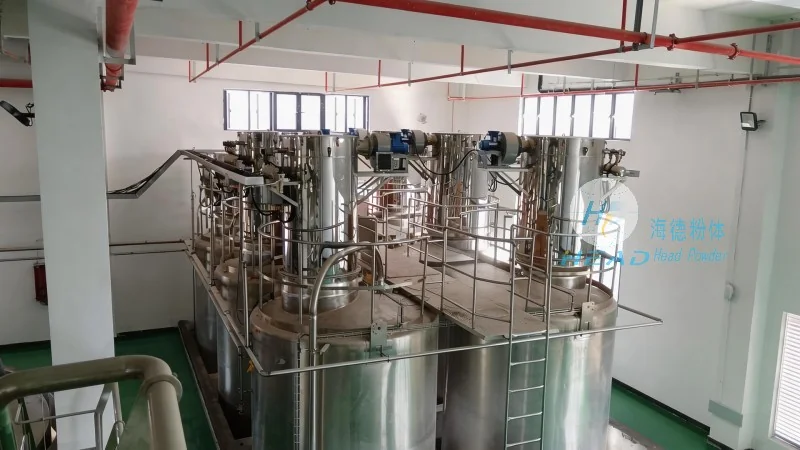
One of the key strengths of pneumatic conveying systems is their adaptability to different production scales and material characteristics. Companies like Shandong HeadPowder Engineering Co., Ltd. specialize in designing and manufacturing customized pneumatic conveying solutions tailored to the specific needs of aluminum sulfate handling. These systems can be scaled from small laboratory setups to large industrial plants, accommodating varying throughput requirements. The flexibility of pneumatic systems also allows for integration with existing infrastructure, reducing the need for extensive site modifications. For instance, a company may add a pneumatic conveying line to an existing storage facility without major disruptions to ongoing operations. This scalability ensures that businesses can invest in a system that grows with their production needs, providing long-term value and operational efficiency.
Conclusion: The Role of Pneumatic Conveying in Aluminum Sulfate Handling
In conclusion, pneumatic conveying plays a vital role in the efficient and reliable transportation of aluminum sulfate. By leveraging advanced technology and careful system design, these solutions address the unique challenges associated with handling this critical chemical, including material integrity, environmental control, and operational efficiency. The benefits extend beyond simple material transfer, contributing to improved product quality, reduced costs, and enhanced overall industrial performance. As industries continue to rely on aluminum sulfate for their processes, the adoption of pneumatic conveying systems remains a strategic choice for maintaining competitiveness and operational excellence. With companies like Shandong HeadPowder Engineering Co., Ltd. providing specialized solutions, businesses can ensure that their aluminum sulfate handling processes are optimized for maximum effectiveness and sustainability.




