Types, Features, and Applications of Ceramic Particle Pneumatic Conveying Systems
Release time:2026-09-14 10:47:30
name of the company:Shandong Headpowder Engineering Co., Ltd.
telephone:156-6277-7102
contacts:Zhang manager
Understanding the various types, key features, and application ranges of ceramic particle pneumatic conveying systems is crucial for industries dealing with delicate or abrasive materials. This article provides an in-depth overview, focusing on the technical aspects and practical uses of these systems, while highlighting the expertise of Shandong HeadPowder Engineering Co., Ltd. as a leading provider in the field.
Introduction to Ceramic Particle Pneumatic Conveying
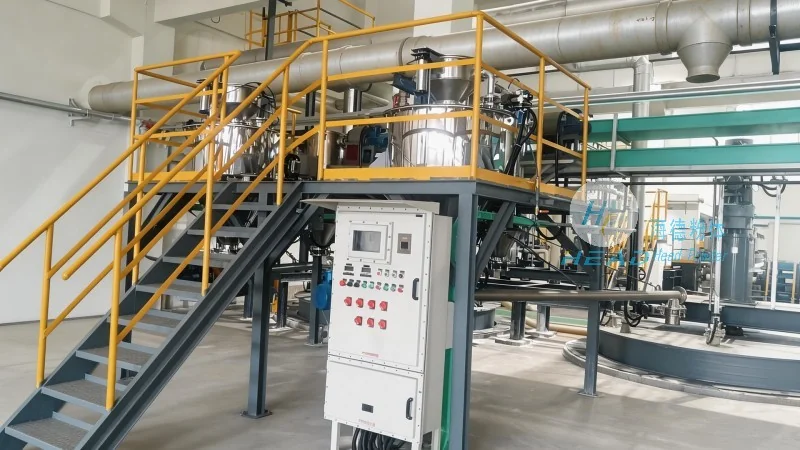
Ceramic particle pneumatic conveying systems are designed to transport fine or coarse ceramic materials through a pipeline using air or other gases as the conveying medium. These systems are widely used in industries such as ceramics, pharmaceuticals, and food processing due to their ability to handle materials that are sensitive to mechanical stress or contamination. The primary goal of these systems is to efficiently move materials from one location to another while maintaining product integrity and minimizing material degradation.
Key Types of Ceramic Particle Pneumatic Conveying
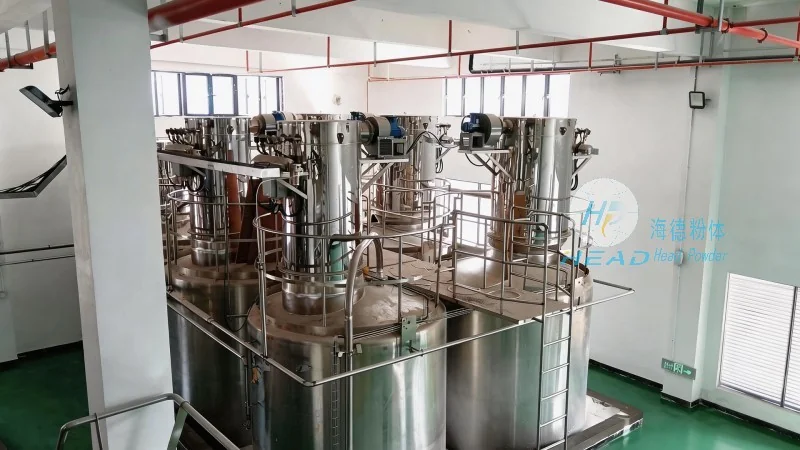
There are several types of ceramic particle pneumatic conveying systems, each suited to different material characteristics and operational requirements. The most common types include:
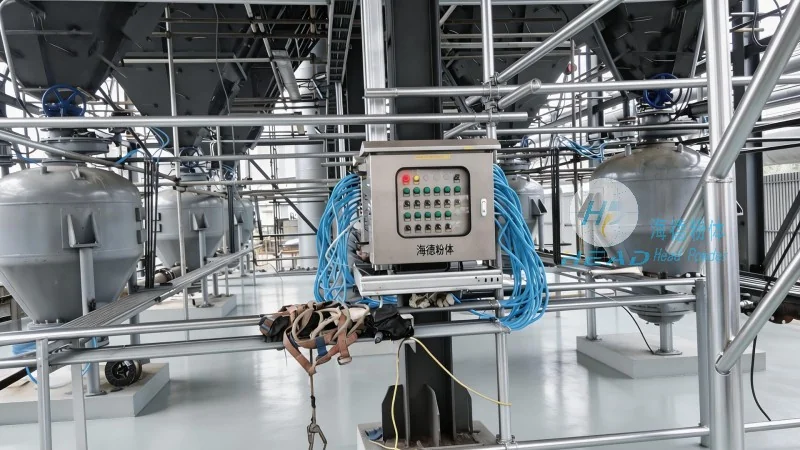
- Positive Pressure Conveying: This method uses a positive pressure of air or gas to push the material through the pipeline. It is ideal for transporting materials with low to moderate density and is commonly used for short to medium distance applications. Positive pressure systems are known for their ability to handle abrasive materials without causing excessive wear on the system components.
- Negative Pressure (Vacuum) Conveying: In this system, a vacuum is created at the receiving end to draw the material into the pipeline. Negative pressure conveying is particularly suitable for applications where the material needs to be transported from multiple sources or over longer distances. It is often used for handling fine powders that are prone to dusting or where the material is sensitive to air exposure.
- Two-Phase Conveying: This hybrid system combines elements of both positive and negative pressure methods. It typically involves a positive pressure section for the initial acceleration of the material and a negative pressure section for the final transport. Two-phase conveying offers flexibility in handling a wide range of material types and can be optimized for both short and long-distance applications.
Core Features of Ceramic Particle Pneumatic Conveying Systems
Effective ceramic particle pneumatic conveying systems are characterized by several key features that enhance performance and reliability. These features include:
- Material Handling Efficiency: Advanced designs ensure high material throughput with minimal pressure drop, reducing energy consumption and operational costs. The systems are engineered to handle both dry and wet ceramic powders, as well as granules and pellets, without compromising product quality.
- Low Maintenance and Durability: Components such as pipelines, valves, and cyclones are constructed from corrosion-resistant materials, such as stainless steel or specialized ceramics, to withstand the abrasive nature of ceramic particles. This reduces the need for frequent maintenance and extends the service life of the system.
- Customization and Scalability: Shandong HeadPowder Engineering Co., Ltd. offers customized solutions tailored to specific customer needs, including system size, material type, and operational parameters. The company’s expertise allows for the design of systems that can be easily scaled up or down to accommodate changing production demands.
Application Ranges of Ceramic Particle Pneumatic Conveying
Ceramic particle pneumatic conveying systems find applications in a variety of industries where the handling of fine or coarse ceramic materials is essential. Some of the key application areas include:
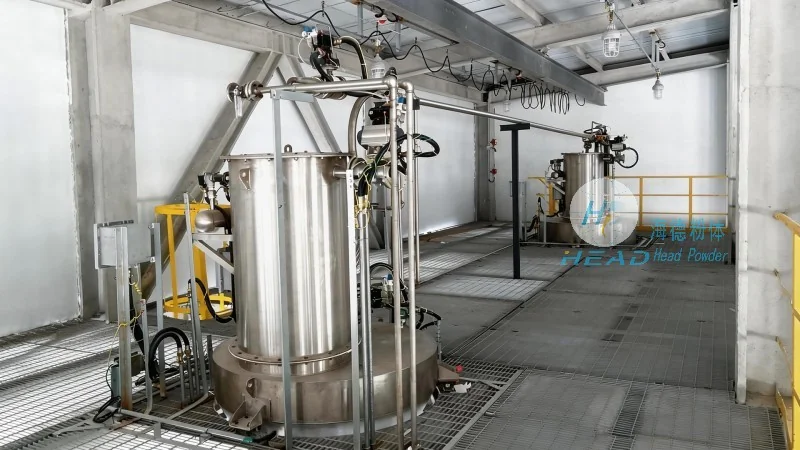
- Ceramic Manufacturing: In the production of ceramic tiles, sanitaryware, and porcelain, these systems are used to transport raw materials such as clay, feldspar, and quartz from storage silos to processing lines. The systems ensure a consistent flow of materials, which is critical for maintaining product quality and production efficiency.
- Pharmaceutical and Food Processing: For industries dealing with pharmaceutical powders or food-grade ceramics, pneumatic conveying systems provide a hygienic and contamination-free method of material transport. The systems are designed to meet stringent regulatory requirements, ensuring that the materials remain pure and free from contaminants throughout the conveying process.
- Industrial Chemicals: In the handling of ceramic-based chemicals or additives, pneumatic conveying systems offer a safe and efficient way to move materials between processing stages. The systems are equipped with features such as dust collection and filtration to prevent environmental contamination and ensure worker safety.
Conclusion and Company Overview
Ceramic particle pneumatic conveying systems are essential equipment for industries that rely on the efficient and reliable transport of ceramic materials. With a focus on innovation and customer-centric solutions, Shandong HeadPowder Engineering Co., Ltd. has established itself as a leading provider of high-quality pneumatic conveying systems. The company’s expertise in system design, material handling, and maintenance ensures that clients receive tailored solutions that meet their specific operational needs, enhancing productivity and product quality in the process.




