HeadPowder, a leading engineering company based in Shandong, China, specializes in the design and implementation of pneumatic conveying systems tailored for the bulk transport of alumina crystals. This article explores the application of pneumatic conveying technology in the alumina industry, highlighting its advantages and the technical considerations involved in such systems.
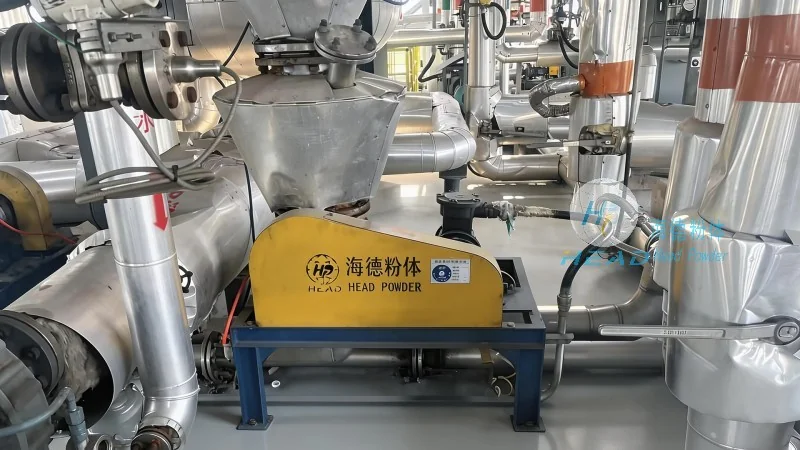
Company Profile
HeadPowder Engineering Co., Ltd. is a professional enterprise dedicated to providing comprehensive solutions for material handling and processing. With a focus on innovation and precision engineering, the company has established itself as a trusted partner in the alumina and related industries. HeadPowder operates from its headquarters in Shandong, China, serving clients globally with customized pneumatic conveying solutions.
Pneumatic Conveying Technology for Alumina Crystals
Pneumatic conveying is a widely adopted method for transporting bulk materials like alumina crystals, offering several advantages over traditional mechanical systems. The process involves transporting material through a pipeline using air or other gases as the conveying medium. This method is particularly suitable for alumina crystals due to their characteristics, such as high density and potential for dust generation during handling.
Key benefits of pneumatic conveying for alumina crystals include improved safety by minimizing direct human contact with the material, enhanced process efficiency through reduced downtime, and better control over material flow. Additionally, pneumatic systems can handle varying particle sizes and moisture content, making them versatile for different alumina production stages.
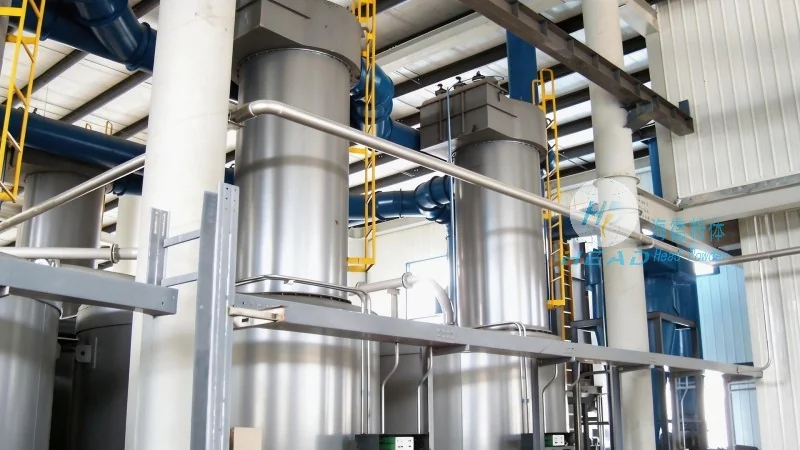
System Design and Components
The effectiveness of a pneumatic conveying system for alumina crystals depends on careful system design and the selection of appropriate components. HeadPowder engineers consider factors such as material properties, flow rates, and system layout to ensure optimal performance. Key components typically include a hopper for material storage, a conveyor line with appropriate pipe diameter and material of construction, a blower or compressor to generate the conveying air, and a receiver for the discharged material.
Material of construction is critical, as alumina crystals can be abrasive and corrosive. HeadPowder recommends using materials like stainless steel or specialized alloys to prevent wear and maintain system integrity. The blower or compressor must be capable of providing sufficient air pressure and volume to overcome pipeline resistance and lift the material to the desired height. Proper sizing of the conveyor line and the use of bends or elbows with minimal pressure loss are also essential for efficient operation.
Application in Alumina Production
In the alumina production process, pneumatic conveying is commonly used for transporting raw materials, intermediate products, and finished alumina crystals between different processing units. For example, after the digestion and precipitation stages, alumina crystals are often conveyed from the crystallizer to the filtration and drying sections using pneumatic systems. This ensures a continuous and controlled flow of material, reducing the risk of blockages and maintaining consistent product quality.
The system design must account for the specific characteristics of alumina crystals, such as their tendency to agglomerate or form lumps. HeadPowder’s engineers incorporate features like agitators or vibrators in the hopper to prevent material bridging and ensure smooth material flow. Additionally, the use of pulse-jet or rotary airlock valves helps maintain consistent flow rates and prevent material buildup in the pipeline.
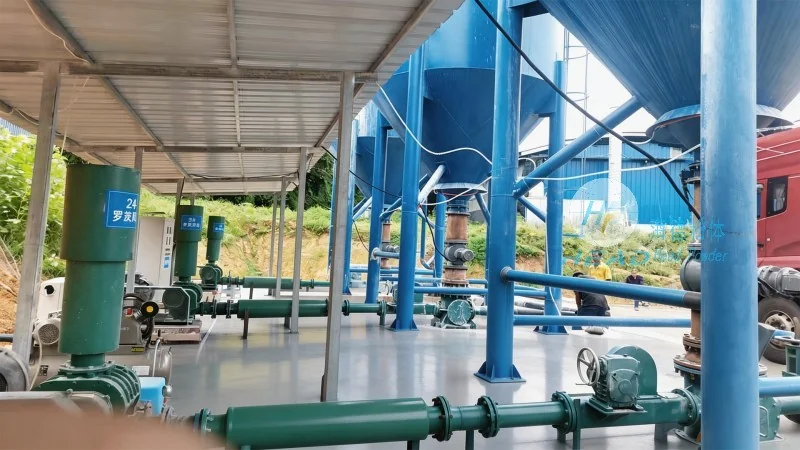
Advantages Over Traditional Methods
Compared to mechanical conveying methods like belt conveyors or screw conveyors, pneumatic conveying offers distinct advantages for alumina crystals. Mechanical systems are prone to material degradation due to friction and abrasion, which can affect the quality of the final product. Pneumatic systems, on the other hand, minimize direct contact between the material and equipment, preserving the integrity of the alumina crystals.
Another advantage is the ability to transport materials over longer distances and at higher elevations without the need for complex infrastructure. Pneumatic systems can also handle materials with high moisture content or those that are prone to dust generation, which is a common issue in alumina processing. The flexibility of pneumatic conveying allows for easy integration with existing production lines and the ability to adapt to changing production requirements.
Conclusion
HeadPowder Engineering Co., Ltd. provides expert solutions for pneumatic conveying systems in the alumina industry, leveraging advanced engineering and material handling expertise. By utilizing pneumatic conveying technology, alumina producers can enhance operational efficiency, improve product quality, and ensure safe material transport. With its headquarters in Shandong, China, HeadPowder continues to serve clients worldwide with customized and reliable pneumatic conveying solutions tailored to the unique needs of the alumina industry.




