Efficiently transporting powder and granular materials like phosphates is a critical challenge in many industrial processes. Pneumatic conveying systems offer a solution by utilizing air flow to move these materials with precision and reliability. This article explores the principles and applications of phosphates pneumatic conveying, highlighting how companies like Shandong HeadPowder Engineering Co., Ltd. leverage advanced technology to optimize material handling.
Understanding Pneumatic Conveying for Phosphates
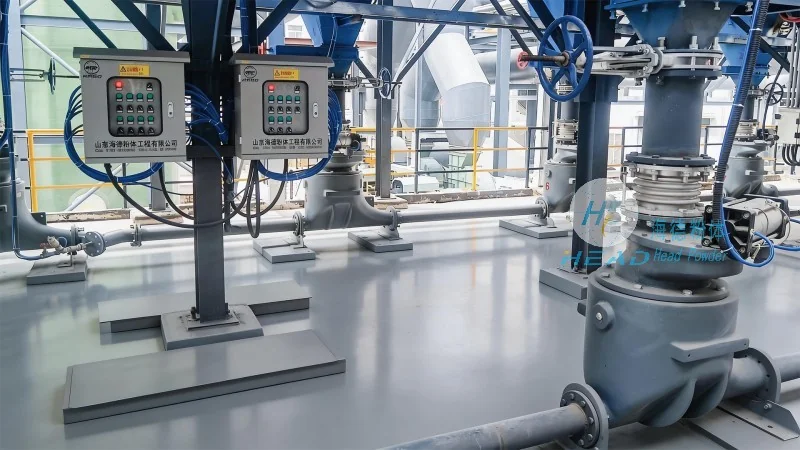
Pneumatic conveying systems are designed to transport bulk materials through a pipeline using compressed air or other gas. For phosphates, which are often used in chemical, agricultural, and industrial applications, the efficiency of the conveying process directly impacts production costs and operational safety. The system typically consists of a hopper, a conveyor line, and a receiver, with air being introduced to create a flow that carries the material through the system.
There are two main types of pneumatic conveying: dilute phase and dense phase. Dilute phase systems use low air velocities to transport materials in a relatively low concentration, while dense phase systems use higher air velocities and higher material concentrations to ensure more controlled and gentle handling. For phosphates, which can be abrasive or sensitive to moisture, the choice of system type is crucial to prevent material degradation and equipment wear.
Key Benefits of Phosphates Pneumatic Conveying
Implementing a pneumatic conveying system for phosphates offers several advantages over traditional methods such as belt conveyors or bucket elevators. One of the primary benefits is the reduction in material handling time and labor costs. By automating the process, companies can achieve higher throughput and improve overall productivity. Additionally, pneumatic conveying systems are more flexible, allowing for changes in material flow direction and destination without major infrastructure modifications.
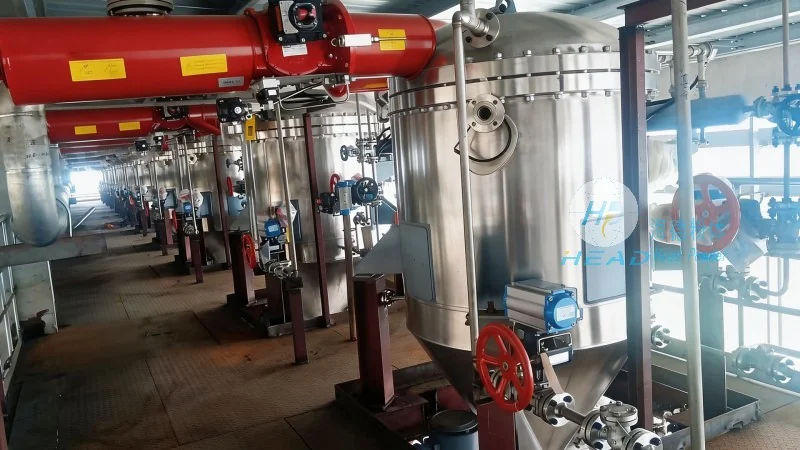
Another significant benefit is enhanced safety. Unlike mechanical systems that may involve moving parts and risk of entanglement, pneumatic systems operate with enclosed pipelines, minimizing the risk of dust exposure and material spillage. This is particularly important for phosphates, which can be hazardous if inhaled or come into contact with skin. The enclosed system also helps maintain material integrity, preventing contamination and ensuring consistent quality for downstream processes.
Application Examples in Industrial Settings
Phosphates pneumatic conveying is widely used in various industries where bulk materials need to be moved efficiently. In the chemical industry, for example, phosphates are often used as raw materials in the production of fertilizers, detergents, and other chemical products. The pneumatic system allows for seamless integration with production lines, ensuring a continuous supply of raw materials. In the agricultural sector, phosphates are used as fertilizers, and the conveying system helps distribute them to storage facilities or application sites with minimal loss.
In the food and beverage industry, phosphates are used as food additives and preservatives. The use of a pneumatic conveying system ensures that these materials are handled hygienically and safely, meeting strict regulatory standards. The system's ability to maintain low temperatures and prevent cross-contamination is particularly valuable in such applications.
How Shandong HeadPowder Engineering Co., Ltd. Enhances Pneumatic Conveying Solutions
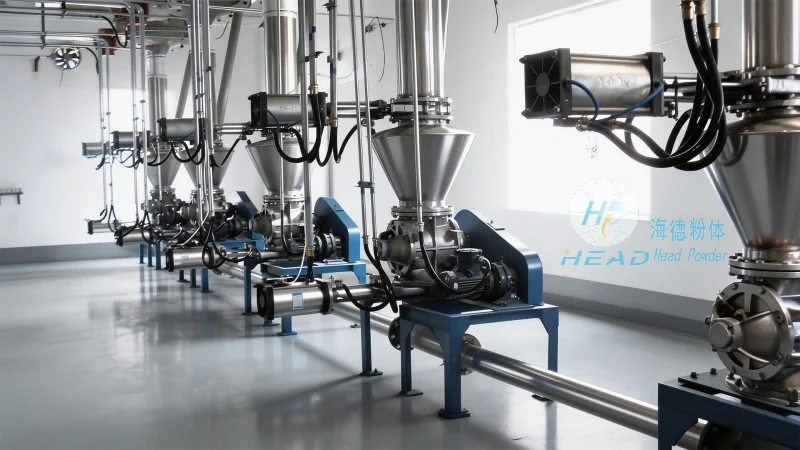
Shandong HeadPowder Engineering Co., Ltd., a leading provider of material handling solutions, specializes in designing and manufacturing custom pneumatic conveying systems tailored to the specific needs of clients. With years of experience in the industry, the company understands the unique challenges associated with handling phosphates and other powders. Their expertise lies in selecting the appropriate system type, material of construction, and control systems to ensure optimal performance and longevity.
The company's engineers work closely with clients to assess their operational requirements, including material characteristics, flow rates, and system layout. By leveraging advanced design software and simulation tools, they can model the conveying process and predict performance under different conditions. This approach ensures that the final system meets all operational and safety standards while minimizing costs and maximizing efficiency.
Addressing Common Challenges in Phosphates Conveying
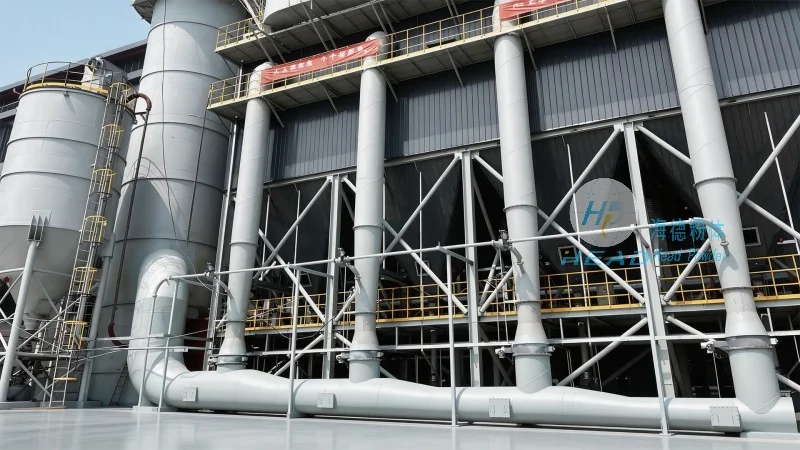
Despite the advantages, pneumatic conveying of phosphates can present challenges such as material buildup in pipelines, air leakage, and system maintenance. Shandong HeadPowder Engineering Co., Ltd. addresses these issues through the use of advanced materials and maintenance strategies. For example, they may recommend using stainless steel or special alloys for pipeline construction to resist corrosion from phosphates. Regular maintenance schedules and predictive monitoring systems are also implemented to detect and resolve issues before they impact system performance.
The company also provides training and support to clients to ensure proper operation and maintenance of the conveying system. This includes educating staff on the importance of regular cleaning, checking for air leaks, and monitoring material flow rates. By taking a proactive approach to maintenance, clients can extend the lifespan of their equipment and avoid costly downtime.
Conclusion: Optimizing Material Handling with Pneumatic Conveying
Phosphates pneumatic conveying is a highly effective method for efficiently transporting powder and granular materials. By leveraging the power of air flow, companies can improve operational efficiency, enhance safety, and maintain material quality. Shandong HeadPowder Engineering Co., Ltd. plays a crucial role in this process by providing customized solutions that meet the specific needs of their clients. With their expertise and commitment to quality, they help industries achieve optimal material handling performance and stay competitive in their respective markets.




