Light-weight micropowder materials, such as certain industrial powders and fine particles, require specialized handling solutions to ensure efficient and reliable transportation. The design of a pneumatic conveying system for these materials involves careful consideration of several key factors to optimize performance, minimize operational issues, and ensure long-term system reliability. This article outlines the essential design considerations for light-weight micropowder pneumatic conveying systems, presented by Shandong HeadPowder Engineering Co., Ltd., a leading provider in the field.
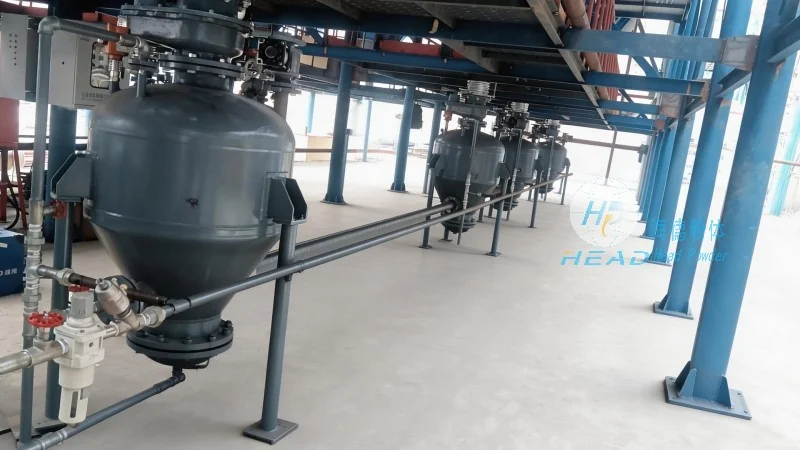
Key Design Considerations for Micropowder Pneumatic Conveying
The successful implementation of a light-weight micropowder pneumatic conveying system begins with a thorough understanding of the material properties and operational requirements. Key factors include particle size distribution, bulk density, flowability, and moisture content. These characteristics directly influence the selection of the appropriate conveying method—such as dilute-phase or dense-phase systems—and the sizing of critical components like the air compressor, pipeline diameter, and cyclone separator.
HeadPowder Engineering emphasizes the importance of accurate material characterization before system design. By analyzing particle size, density, and other physical properties, engineers can determine the optimal air velocity and pressure levels needed to maintain stable flow and prevent particle segregation or blockages. For light-weight micropowders, where low bulk density can lead to poor suspension in air, increasing the air velocity or using a higher pressure system may be necessary to ensure consistent conveying performance.
System Components and Equipment Selection
A pneumatic conveying system for light-weight micropowders typically consists of several core components, each playing a critical role in the overall operation. The primary equipment includes an air compressor to generate the necessary airflow, a material feeder to introduce the powder into the system, a pipeline network to transport the material, and a separation device to recover the powder from the air stream. Each component must be carefully selected to match the specific requirements of the micropowder being handled.
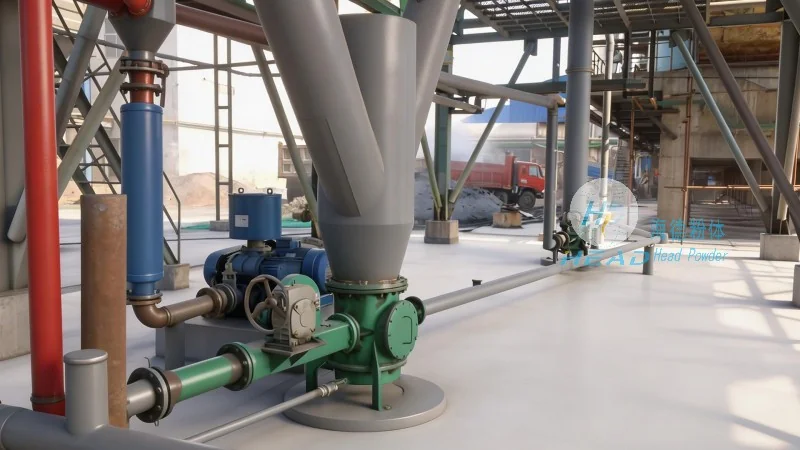
HeadPowder Engineering recommends using high-efficiency air compressors that can maintain consistent pressure and airflow, even under varying load conditions. The material feeder, such as a rotary valve or a pressure feeder, should be designed to handle fine powders without clogging or creating dust emissions. The pipeline diameter is a critical parameter, as smaller diameters may cause increased pressure drop and potential blockages for light-weight particles, while larger diameters can lead to higher energy consumption. Cyclone separators or bag filters are commonly used to separate the powder from the air, with the choice depending on the powder's particle size and the required level of dust control.
Design Process and Calculations
The design of a light-weight micropowder pneumatic conveying system involves a systematic approach, starting with the material properties and ending with the final system layout. Engineers at HeadPowder Engineering follow a structured process that includes: (1) material characterization and property analysis, (2) determination of the conveying method (dilute-phase or dense-phase), (3) calculation of air velocity and pressure requirements, (4) sizing of the air compressor and pipeline, (5) selection of the feeder and separator, and (6) verification of system performance through simulations or pilot testing.
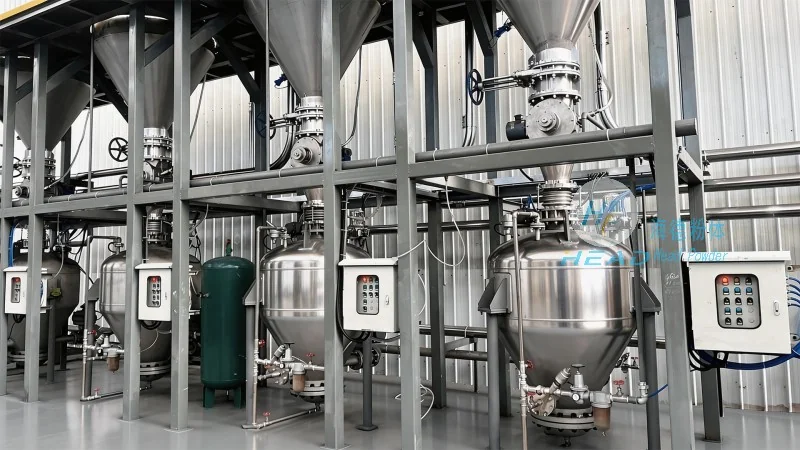
For dilute-phase systems, the air velocity is typically maintained at a level that keeps the particles suspended in the air stream, with velocities ranging from 20 to 40 meters per second depending on the particle size and density. The pressure drop along the pipeline is calculated using empirical formulas or computational fluid dynamics (CFD) simulations to ensure the compressor can provide sufficient pressure to overcome system losses. In dense-phase systems, where the powder is conveyed in a slurry-like state, lower air velocities and higher pressures are used to minimize particle segregation and improve material handling efficiency.
Operational Considerations and Maintenance
Once the pneumatic conveying system is installed and operational, regular maintenance and monitoring are essential to ensure optimal performance and prevent downtime. HeadPowder Engineering advises regular inspection of the air compressor, pipeline for leaks or blockages, and the separator for clogging or performance degradation. The material feeder should be checked for wear and tear, and the system should be cleaned periodically to remove accumulated powder and prevent contamination. Additionally, monitoring the air pressure and flow rate during operation can help identify potential issues early, allowing for timely adjustments or repairs.
For light-weight micropowders, which may be more susceptible to moisture absorption or agglomeration, proper moisture control and material conditioning may be necessary to maintain consistent conveying performance. HeadPowder Engineering offers customized solutions that include moisture control systems or material pre-treatment steps to address these challenges and ensure reliable operation over the long term.




