Shandong HeadPowder Engineering Co., Ltd., a leading provider in the field of pneumatic conveying technology, specializes in the design and implementation of efficient dry gravel pneumatic conveying systems. With a focus on precision engineering and customer-specific solutions, the company has established itself as a trusted partner for industries requiring reliable material handling solutions. This article outlines key design considerations for such systems, emphasizing the technical aspects and practical applications that ensure optimal performance and durability.
Understanding the Core Principles of Dry Gravel Pneumatic Conveying
Dry gravel pneumatic conveying systems utilize air pressure to transport dry, granular materials like gravel, sand, or similar bulk solids. The fundamental principle involves creating a flow of air through a pipeline, where the material is entrained and carried to the destination. A critical aspect of this process is maintaining the correct air-to-material ratio to ensure efficient transport without excessive energy consumption or material degradation. The design of the system must account for the specific characteristics of the gravel, including particle size, density, and moisture content, as these factors directly impact the system's performance and operational efficiency.
Key Design Considerations for Optimal System Performance
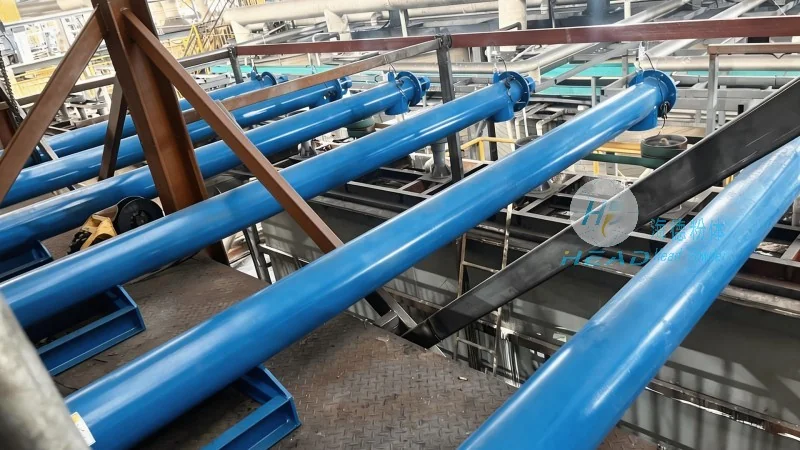
Several critical factors must be considered during the design phase to ensure the dry gravel pneumatic conveying system operates effectively and reliably. First, the selection of the appropriate air velocity is paramount. The air velocity must be sufficient to entrain the gravel particles but not so high as to cause excessive wear on the system components or increase energy costs. Engineers typically use empirical formulas and industry standards to determine the optimal air velocity based on the material's properties and pipeline dimensions. Second, the system's layout and pipeline configuration play a significant role. The design should minimize bends, changes in direction, and vertical lifts to reduce pressure losses and prevent material buildup or blockages. Properly sized and positioned air inlets and outlets are essential to maintain consistent airflow and prevent backpressure issues.
Material Handling and System Components
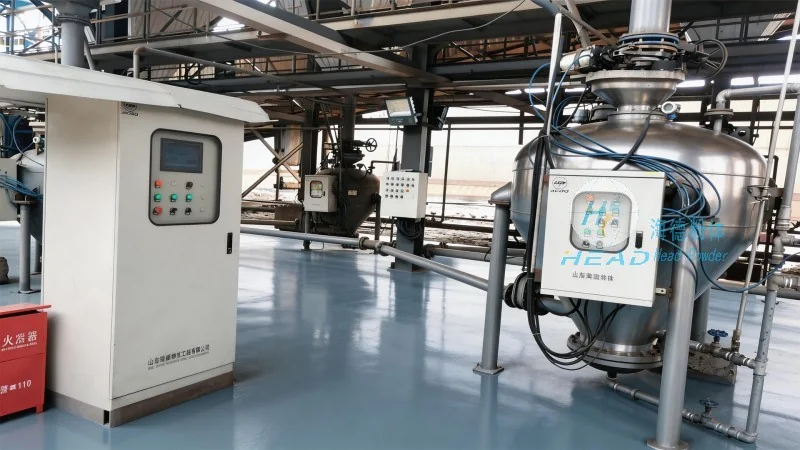
The components of a dry gravel pneumatic conveying system are carefully selected to withstand the demands of transporting abrasive materials like gravel. The pipeline material, often stainless steel or high-grade plastic, is chosen for its resistance to corrosion and wear. The system includes key components such as the air compressor, which generates the necessary pressure, the hopper or feed device that introduces the gravel into the pipeline, and the discharge unit that delivers the material to the target location. The hopper design is crucial, as it must ensure a consistent flow of material without causing clogging or uneven feeding. Additionally, the use of filters and cyclones in the system helps to separate the air from the material, allowing the air to be recycled and the gravel to be collected efficiently.
Energy Efficiency and Operational Costs
Energy efficiency is a key consideration in the design of dry gravel pneumatic conveying systems, as it directly impacts the long-term operational costs. The selection of the air compressor, its capacity, and the system's pressure settings are all optimized to minimize energy consumption while maintaining the required transport capacity. Modern systems often incorporate variable frequency drives (VFDs) to adjust the compressor speed based on the actual material flow, further reducing energy waste. The design also considers the recovery of air from the system, such as through cyclone separators, which allows the air to be recirculated, reducing the need for continuous air intake and lowering overall energy usage.
Reliability and Maintenance Considerations
Reliability and ease of maintenance are critical factors for the long-term success of a dry gravel pneumatic conveying system. The system's design incorporates features that facilitate regular maintenance and reduce downtime. For example, components like the hopper and pipeline are designed for easy access and cleaning to prevent material buildup. The use of wear-resistant materials in high-stress areas, such as the discharge unit and pipeline elbows, extends the system's lifespan and reduces the frequency of replacements. Regular maintenance schedules, including inspections of air filters, pipeline integrity, and component wear, are recommended to ensure the system operates at peak efficiency and to identify potential issues before they become major problems.
Application-Specific Design Adaptations
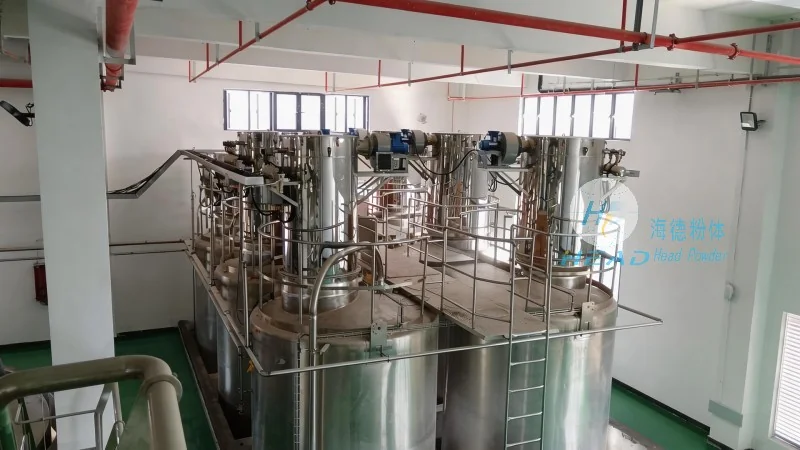
Due to the diverse nature of industrial applications, dry gravel pneumatic conveying systems often require adaptations to suit specific operational needs. For instance, in mining operations, where large volumes of gravel are transported over long distances, the system may be designed with larger pipelines and higher air pressure to handle the increased capacity. In construction sites, where the system is used for transporting gravel to different work areas, the layout may include multiple discharge points and flexible pipeline configurations to accommodate varying material requirements. The design process involves a thorough analysis of the application's specific parameters, including the volume of material to be transported, the distance, and the desired discharge points, to tailor the system to the client's exact needs.
Conclusion: Ensuring Efficient and Reliable Material Handling
Designing a dry gravel pneumatic conveying system requires a comprehensive approach that considers the material's properties, system components, energy efficiency, and maintenance requirements. By addressing these key design considerations, engineers can develop systems that provide reliable, efficient, and cost-effective material handling solutions. Shandong HeadPowder Engineering Co., Ltd. leverages its expertise in pneumatic conveying technology to deliver customized solutions that meet the unique needs of its clients, ensuring optimal performance and long-term reliability in various industrial applications.




