Resin sand pneumatic conveying systems are critical components in modern foundry operations, facilitating the efficient and reliable transport of resin-coated sand from storage to molding or other processing stages. The design of such systems requires careful consideration of multiple factors to ensure optimal performance, durability, and cost-effectiveness. This article outlines key design considerations for resin sand pneumatic conveying systems, with a focus on practical solutions offered by Shandong HeadPowder Engineering Co., Ltd., a leading provider in the field.
System Layout and Flow Path Optimization
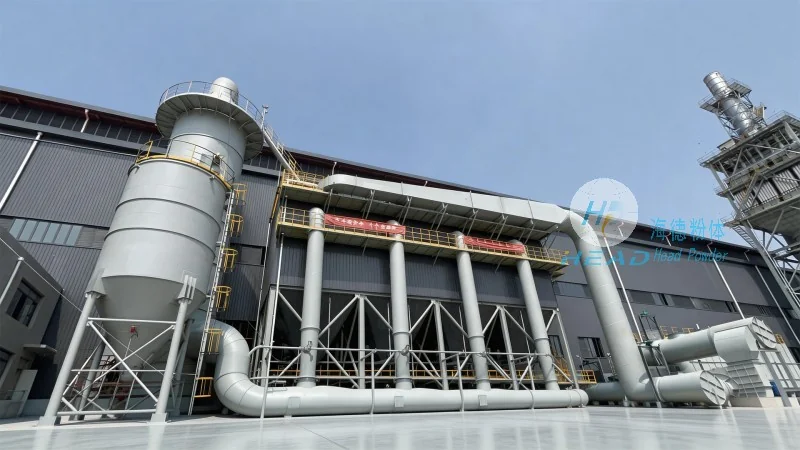
The layout of a resin sand pneumatic conveying system significantly impacts its efficiency and operational costs. A well-designed system minimizes the number of bends, reduces pressure drops, and ensures smooth material flow. HeadPowder engineers typically start with a comprehensive analysis of the facility layout, material handling requirements, and space constraints. This involves determining the most suitable conveying line configuration—whether it’s a horizontal, vertical, or a combination of both—to achieve the desired material transport. The flow path is optimized to reduce energy consumption and wear on components, which directly translates to lower operational expenses over the system’s lifespan.
Material Handling Characteristics and Equipment Selection
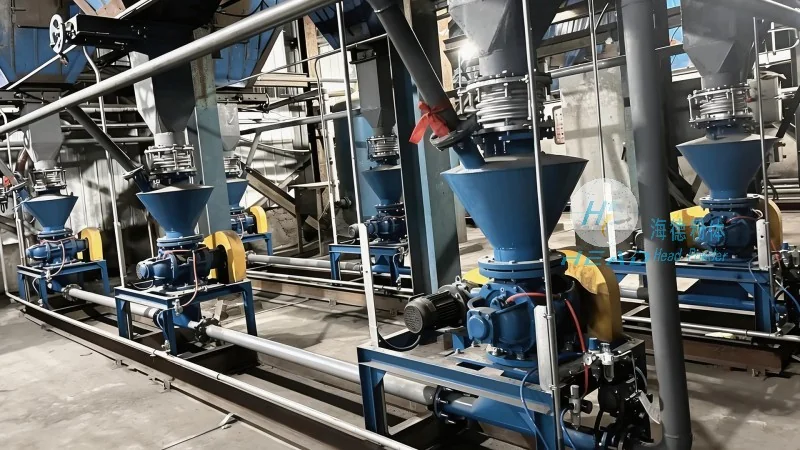
Resin sand has distinct physical and chemical properties that influence the choice of conveying equipment. Key factors include the sand’s density, moisture content, and the presence of resin binders, which can affect flowability and abrasiveness. HeadPowder selects appropriate equipment based on these characteristics. For example, in systems where high abrasion resistance is required, they may recommend using high-quality metal or wear-resistant plastic components for the conveying lines and valves. The selection of air movers, such as rotary lobe blowers or positive displacement blowers, is also critical. These devices must provide sufficient air volume and pressure to overcome the system’s resistance while maintaining energy efficiency. Proper equipment selection ensures the system operates reliably under varying load conditions and extends the service life of components.
Pressure and Flow Control Mechanisms
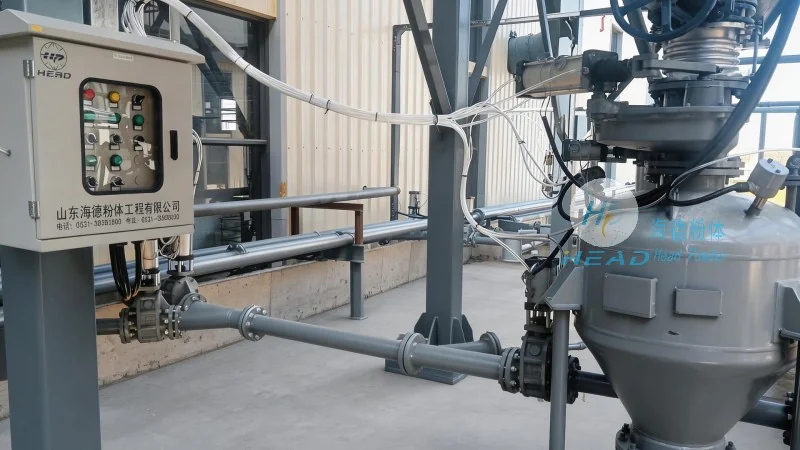
Effective pressure and flow control are essential for maintaining consistent material transport rates and preventing system failures. HeadPowder incorporates advanced control mechanisms, including pressure sensors, flow meters, and variable frequency drives (VFDs), to regulate air pressure and material flow. These controls allow for real-time adjustments based on operational needs, such as changes in production volume or material characteristics. The system is designed to maintain a stable pressure differential, which is crucial for preventing material buildup or blockages in the conveying lines. Additionally, the use of surge hoppers or buffer tanks can help manage fluctuations in material supply, ensuring a continuous and smooth flow. Proper control mechanisms not only improve system performance but also enhance safety by preventing over-pressurization or under-pressurization scenarios.
Wear and Corrosion Protection
Resin sand is abrasive, and prolonged exposure can cause significant wear on system components. HeadPowder employs robust wear and corrosion protection strategies to extend the lifespan of the equipment. This includes using high-grade materials for the conveying lines, such as stainless steel or specialized alloys, and incorporating wear-resistant coatings on critical parts like elbows, tees, and valves. The design also considers the impact of resin binders, which may require additional protective measures to prevent chemical degradation of components. Regular maintenance and inspection schedules are integrated into the system design to monitor wear and address issues proactively. By implementing comprehensive protection measures, the system remains operational with minimal downtime and reduced maintenance costs.
Integration with Foundry Processes
A resin sand pneumatic conveying system must seamlessly integrate with the overall foundry production process. HeadPowder ensures that the system is designed to align with existing workflows, such as sand storage, mixing, and molding operations. This involves coordinating with the foundry’s layout to position the conveying equipment at optimal locations, minimizing material handling distances and reducing the risk of cross-contamination. The system may also be integrated with other automation components, such as sensors and control panels, to enhance overall production efficiency. Proper integration ensures that the conveying system supports the foundry’s production goals without introducing bottlenecks or inefficiencies. It also facilitates smooth transitions between different stages of the manufacturing process, improving overall productivity.
Energy Efficiency and Environmental Considerations
Energy efficiency is a key consideration in modern industrial systems, and resin sand pneumatic conveying systems are no exception. HeadPowder designs systems with energy-saving features, such as variable speed drives for air movers and optimized air pressure settings. These measures reduce energy consumption while maintaining the required conveying performance. Additionally, the system is designed to minimize air leaks and pressure losses, which further enhances energy efficiency. Environmental considerations are also addressed, with features like dust collection and filtration systems to control emissions and comply with regulatory standards. The use of efficient components and proper system design helps reduce the environmental impact of the foundry operations. By focusing on energy efficiency and environmental compliance, the system not only lowers operational costs but also contributes to sustainable manufacturing practices.
Reliability and Maintenance Planning
Reliability is paramount in industrial applications, and HeadPowder prioritizes system reliability through thoughtful design and maintenance planning. The system is built with redundant components and fail-safe mechanisms to prevent unexpected downtime. Regular maintenance schedules are established to inspect and replace worn parts, ensuring the system operates at peak performance. HeadPowder provides comprehensive maintenance services, including on-site support and spare parts availability, to minimize disruptions. The design also considers ease of maintenance, with accessible components and clear operational guidelines. By implementing robust reliability measures, the system delivers consistent performance over its operational life, reducing the risk of production delays and associated costs.
Customization and Scalability
Each foundry has unique requirements, and HeadPowder offers customized solutions tailored to specific needs. The design process involves working closely with clients to understand their production volumes, material characteristics, and operational constraints. This collaboration ensures that the final system meets all requirements and integrates seamlessly with existing infrastructure. The systems are also designed for scalability, allowing for future expansion as production needs grow. This flexibility enables foundries to invest in a system that can adapt to changing production demands without requiring a complete overhaul. Customization and scalability are key advantages of working with HeadPowder, as they provide solutions that are both effective and future-proof.
Conclusion
In conclusion, the design of a resin sand pneumatic conveying system requires a holistic approach that considers multiple factors, from material handling characteristics to system integration and long-term reliability. Shandong HeadPowder Engineering Co., Ltd. brings expertise and practical solutions to address these challenges, ensuring that foundries can achieve efficient, reliable, and cost-effective resin sand transport. By focusing on system layout, equipment selection, control mechanisms, and maintenance planning, HeadPowder delivers systems that meet the demands of modern foundry operations. The company’s commitment to customization and scalability further enhances its ability to support foundries in achieving their production goals. For foundries seeking reliable and efficient resin sand pneumatic conveying solutions, HeadPowder is a trusted partner in optimizing their material handling processes.




