Crystal particle pneumatic conveying systems represent a sophisticated method for transporting solid materials, particularly those with crystalline structures, through a pipeline using air or other gas as the conveying medium. This technology is widely utilized in industries such as pharmaceuticals, food processing, and chemical manufacturing, where maintaining product integrity and controlling dust are critical. The systems are designed to handle delicate materials while ensuring efficient and reliable material transfer from source to destination.
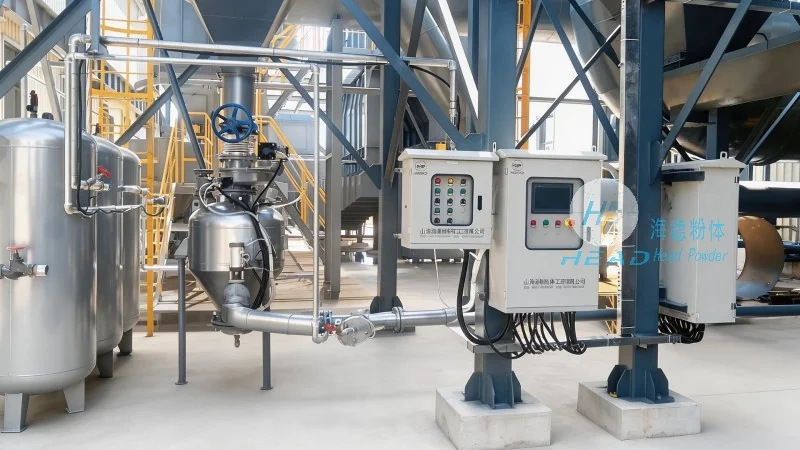
Key Components of the Pneumatic Conveying Equipment
The core components of a crystal particle pneumatic conveying system include the material feed hopper, the conveying pipeline, the air or gas source (typically a blower or compressor), and the receiving hopper. Each component plays a vital role in the overall operation of the system. The feed hopper is responsible for storing and feeding the crystalline material into the system, ensuring a consistent flow rate. The conveying pipeline, often made of stainless steel or other corrosion-resistant materials, transports the material and air mixture. The air source provides the necessary pressure and volume to move the material through the pipeline. The receiving hopper collects the material at the end of the conveying process, completing the material transfer.
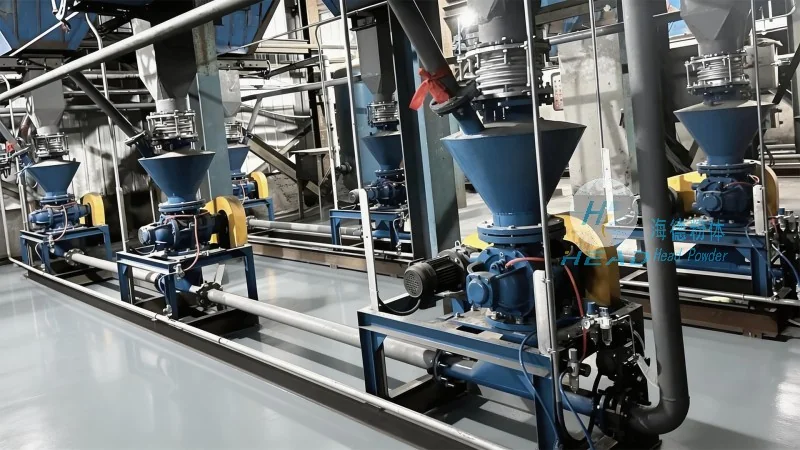
Structural Principles and Operational Mechanisms
The structural principle of a pneumatic conveying system is based on the principle of fluidization and suspension. When air is introduced into the conveying pipeline at a sufficient velocity, it creates a fluidized bed of the crystalline particles, allowing them to be carried along with the air stream. The system operates in either a dilute-phase or dense-phase mode, depending on the material properties and the desired conveying efficiency. In dilute-phase systems, the material is suspended in the air stream, while in dense-phase systems, the material is conveyed as a slurry, reducing the risk of material degradation and blockage. The control of air pressure, flow rate, and material feed rate is crucial for maintaining optimal system performance and preventing issues such as clogging or material degradation.
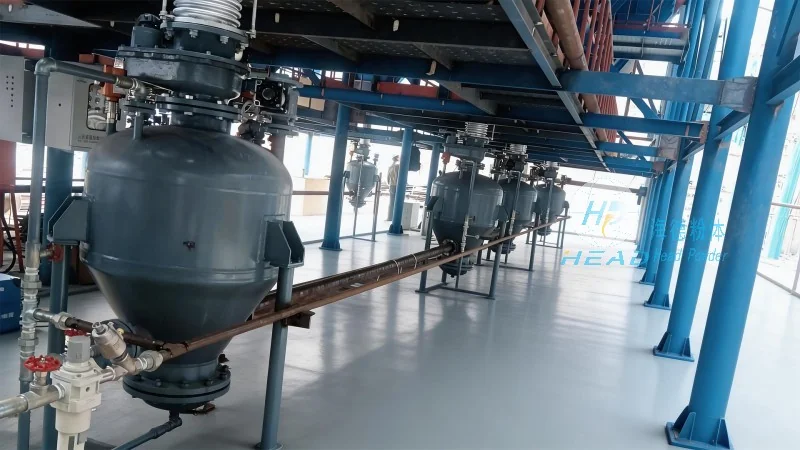
Advantages of Crystal Particle Pneumatic Conveying Systems
There are several advantages to using crystal particle pneumatic conveying systems over traditional methods like belt conveyors or bucket elevators. One of the primary advantages is the ability to maintain product purity and prevent contamination, which is essential for pharmaceutical and food products. The enclosed system design minimizes dust exposure and cross-contamination, ensuring that the crystalline material remains in its original state. Additionally, pneumatic conveying systems are more flexible in terms of layout, as they can be installed in various configurations to accommodate different plant layouts. They also offer higher conveying speeds and can handle materials with a wide range of particle sizes and densities. The systems are also relatively easy to clean and maintain, reducing downtime and operational costs.
Application Examples and Industry Use Cases
Crystal particle pneumatic conveying systems are widely used in various industries. In the pharmaceutical industry, they are used to transport active pharmaceutical ingredients (APIs) and excipients, ensuring that the materials are handled gently and without contamination. In the food industry, they are used to convey ingredients such as sugar, salt, and spices, maintaining the quality and flavor of the products. In the chemical industry, they are used to transport chemicals, such as powders and granules, in a controlled and safe manner. The systems are also used in the mining and mineral processing industry to transport ore and other minerals from processing plants to storage facilities.
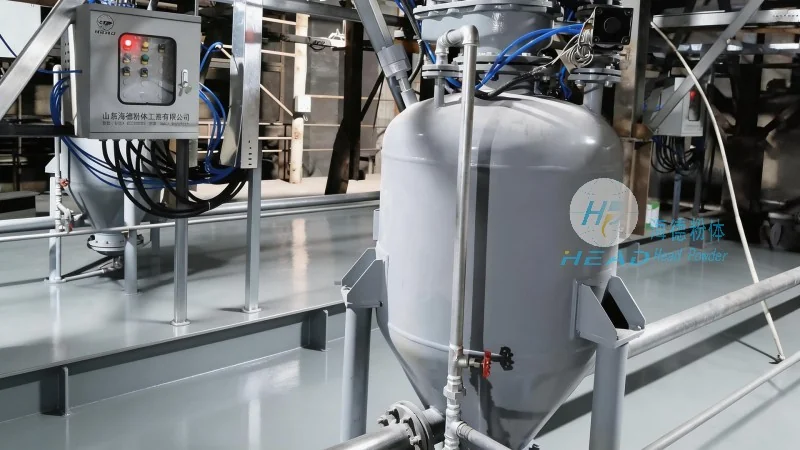
Conclusion and Company Information
Crystal particle pneumatic conveying systems are an efficient and reliable method for transporting crystalline materials. The systems are designed to handle delicate materials while maintaining product integrity and minimizing contamination. The components and operational principles of the system are carefully engineered to ensure optimal performance and durability. As a leading manufacturer of pneumatic conveying equipment, Shandong HeadPowder Engineering Co., Ltd. specializes in providing high-quality systems tailored to the specific needs of various industries. With our expertise and commitment to quality, we offer reliable solutions for material handling challenges in pharmaceutical, food, chemical, and other industries. Our systems are designed to meet the highest standards of performance and safety, ensuring that our customers can rely on our equipment for long-term operation and success.




