For industries dealing with phenolic resin powder, efficient material handling is crucial to maintain production efficiency and product quality. Pneumatic conveying equipment offers a reliable solution for transporting these fine powders over short to medium distances. This article explores the operation process and working principles of such equipment, highlighting its benefits and the technical aspects that make it suitable for phenolic resin applications.
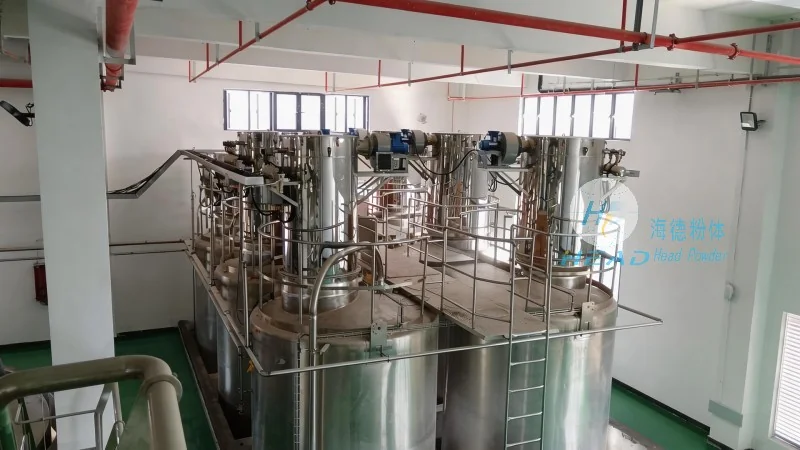
Key Components of Pneumatic Conveying Equipment
The pneumatic conveying system for phenolic resin powder typically consists of several key components that work in tandem to ensure smooth material transport. These include the hopper or feed hopper, which stores the resin powder; the air compressor or blower that generates the necessary airflow; the conveying line (usually a pipeline) that carries the powder and air mixture; and the discharge device or receiver where the material is deposited. Each component plays a vital role in the overall performance of the system.
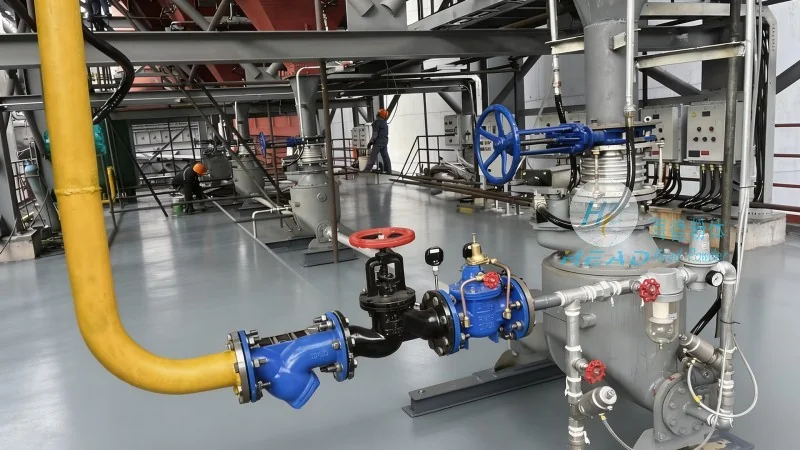
Operation Process of Phenolic Resin Powder Pneumatic Conveying
The operation process of the pneumatic conveying equipment for phenolic resin powder involves several sequential steps. First, the phenolic resin powder is fed into the hopper from a storage silo or batch container. The hopper is designed with a controlled discharge mechanism to regulate the flow rate of the powder. Simultaneously, the air compressor starts and generates a high-pressure airflow. This airflow is then introduced into the conveying line, creating a vacuum or pressure differential that draws the powder particles into the air stream. As the powder particles are entrained by the air, they travel through the pipeline to the discharge point. The velocity of the air and the particle size of the resin powder are critical factors that determine the efficiency of this conveying process. Proper air velocity ensures that the powder is fully suspended and transported without clogging or degradation. The system may also include a filter or separator at the discharge end to separate the powder from the air, ensuring that the material is delivered in a clean and dry state.
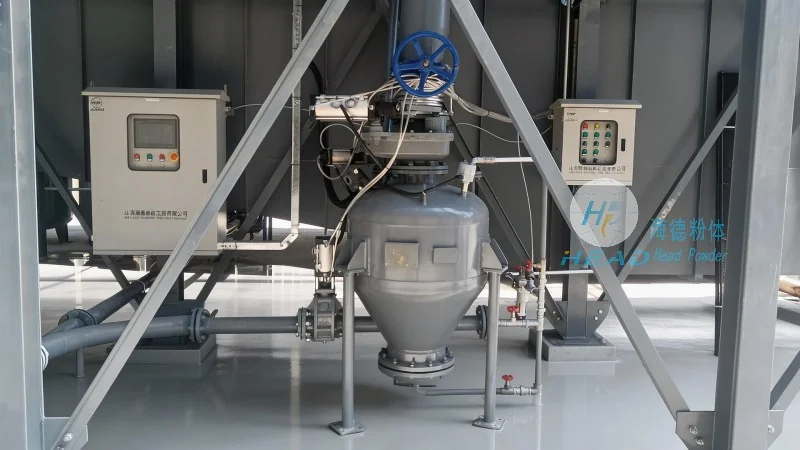
Working Principle of Pneumatic Conveying for Phenolic Resin
The working principle of the pneumatic conveying equipment relies on the fundamental physics of fluid dynamics and particle transport. The core concept is the use of air as a medium to move the solid powder particles. There are two main types of pneumatic conveying systems: pressure and vacuum systems. For phenolic resin powder, a pressure system is often preferred as it can handle higher material loads and longer distances more effectively. In a pressure system, the air compressor pressurizes the entire conveying line, creating a positive pressure that pushes the powder mixture through the pipeline. The hopper is sealed and the discharge end is under pressure, ensuring that the powder is continuously conveyed. The air flow rate is carefully controlled to maintain the correct velocity for particle suspension. The system also incorporates features such as check valves and flow regulators to prevent backflow and maintain consistent operation. The design of the conveying line, including the diameter and length, is optimized based on the specific characteristics of the phenolic resin powder, such as its density, particle size distribution, and flowability. This optimization ensures that the system operates efficiently with minimal energy consumption and maximum material throughput.
Benefits of Using Pneumatic Conveying for Phenolic Resin Powder
Implementing pneumatic conveying equipment for phenolic resin powder offers several advantages over traditional methods like belt conveyors or manual handling. Firstly, it provides a dust-free and clean environment, which is essential for maintaining the quality of the resin powder and preventing contamination. The enclosed system prevents the release of fine particles into the air, reducing the risk of respiratory issues for workers and minimizing environmental impact. Secondly, pneumatic conveying allows for precise control over the flow rate and material distribution, ensuring consistent production processes. This precision is particularly important in applications where the resin powder is used as a raw material in manufacturing processes, as variations in feed rate can affect the final product quality. Thirdly, the system is highly flexible and can be easily integrated into existing production lines. It can transport the powder from multiple sources to different destinations, such as mixing rooms, storage silos, or processing units, without the need for complex reconfiguration. Additionally, pneumatic conveying reduces labor costs and improves safety by eliminating the need for manual handling of heavy or hazardous powders. The equipment is also compact and can be installed in limited spaces, making it suitable for both new and retrofit applications.
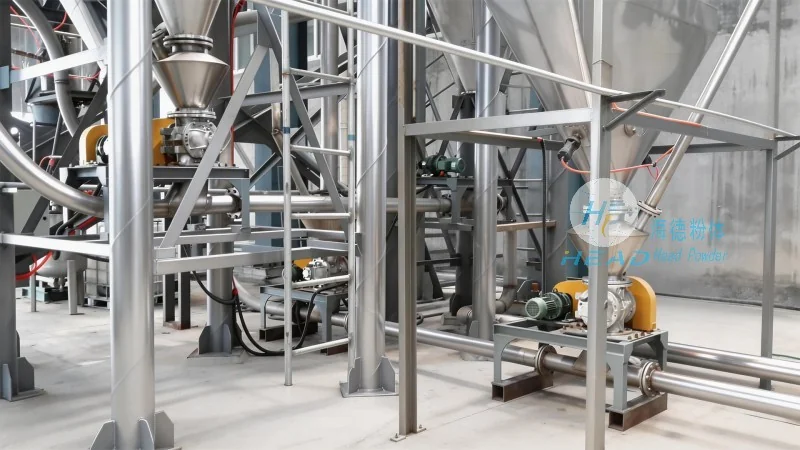
About Shandong HeadPowder Engineering Co., Ltd.
Shandong HeadPowder Engineering Co., Ltd., commonly known as headpowder, is a leading manufacturer and supplier of pneumatic conveying equipment tailored for various powder materials, including phenolic resin powder. With a strong focus on engineering excellence and customer satisfaction, the company has established itself as a trusted partner in the industry. Headpowder's expertise lies in designing and manufacturing customized pneumatic conveying systems that meet the specific requirements of clients. The company's products are known for their durability, efficiency, and reliability, ensuring long-term performance and minimal maintenance costs. Headpowder's team of experienced engineers and technicians work closely with clients to understand their operational needs and provide tailored solutions. The company's commitment to quality is reflected in its adherence to international standards and rigorous testing procedures for all its products. Whether it's a new installation or an upgrade to an existing system, headpowder offers comprehensive support, from design and manufacturing to installation and after-sales service. Headpowder's facilities are located in Shandong, China, where the company leverages advanced manufacturing technologies and a skilled workforce to deliver high-quality products to customers worldwide.




