The small bag feeding material pneumatic conveying system is a specialized industrial equipment designed for the efficient and safe handling of bulk materials from sealed bags. This system is widely used in various industries such as chemical, food, and pharmaceutical, where precise and controlled material transfer is crucial. The system integrates advanced pneumatic technology with automated feeding mechanisms to ensure seamless operation from bag opening to material discharge.
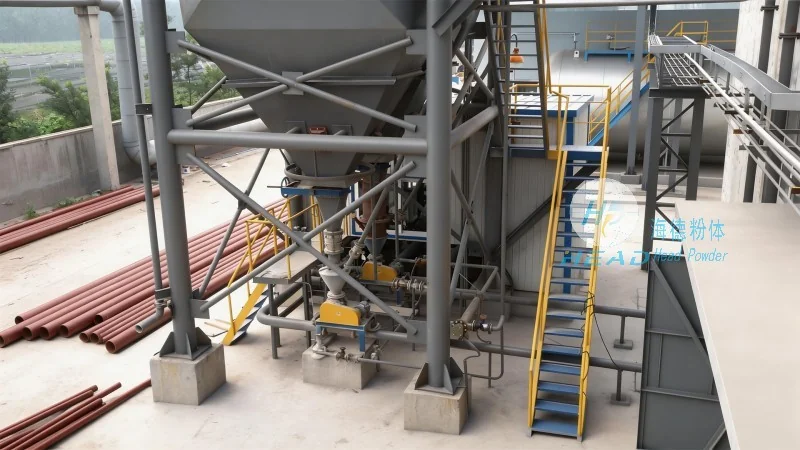
Company Overview: Shandong HeadPowder Engineering Co., Ltd.
Shandong HeadPowder Engineering Co., Ltd. is a leading manufacturer specializing in the design, development, and production of pneumatic conveying systems. With a strong focus on innovation and quality, the company has established itself as a trusted partner in the industry. HeadPowder's headquarters is located in Shandong, China, where the company's research and development team continuously works on improving system efficiency and reliability. The company adheres to international standards and provides comprehensive solutions tailored to the specific needs of each client.
Key Components of the Pneumatic Conveying System
The small bag feeding material pneumatic conveying system consists of several critical components that work in harmony to achieve effective material transfer. The main components include the bag opening mechanism, the feeder, the air compressor, the conveying line, and the discharge unit. Each component plays a vital role in the overall operation of the system.
The bag opening mechanism is responsible for safely and efficiently opening the sealed bags without damaging the material inside. This is typically achieved through mechanical or pneumatic actuators that cut or tear the bag's seal. The feeder then takes over, feeding the material from the opened bag into the conveying line. The feeder is designed to maintain a consistent flow rate, preventing material blockages and ensuring smooth operation.
The air compressor provides the necessary pressure and volume of air to move the material through the conveying line. The air is introduced into the system at a controlled rate, creating a flow that propels the material. The conveying line, usually made of stainless steel or other corrosion-resistant materials, ensures the material is transported safely and hygienically, especially in industries like food and pharmaceutical.
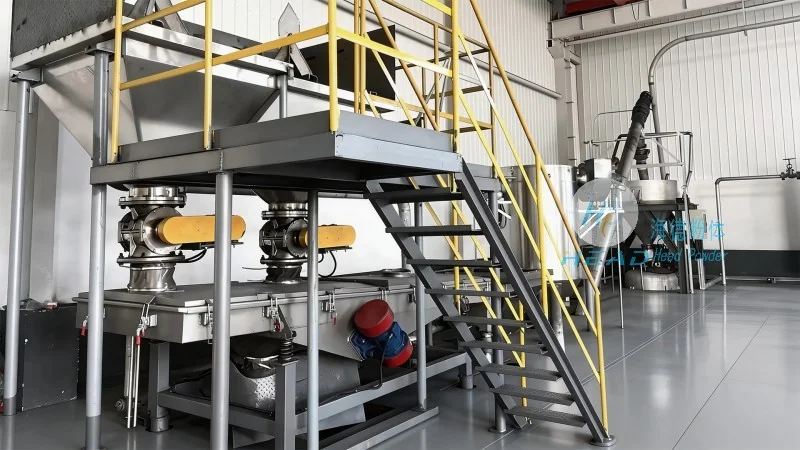
The discharge unit is the final component of the system, where the material is released into the target container or processing equipment. The unit is designed to handle different types of materials and discharge rates, ensuring precise and controlled material delivery. Some systems may include additional components such as filters or cyclones to separate air from the material, improving system efficiency and reducing maintenance.
Operation Process of the Small Bag Feeding Material Pneumatic Conveying System
The operation of the small bag feeding material pneumatic conveying system follows a systematic process that ensures efficient material handling. The process begins with the placement of the sealed bags into the system's feeding hopper. The system then automatically identifies the bag and initiates the bag opening sequence. Once the bag is opened, the feeder starts to extract the material and feed it into the conveying line.
Simultaneously, the air compressor starts operating, generating the required air pressure to move the material. The air and material mixture travels through the conveying line to the discharge unit. At the discharge unit, the material is separated from the air, and the material is deposited into the target container. The system continues to operate until all material from the bag is transferred, after which the process repeats for the next bag.
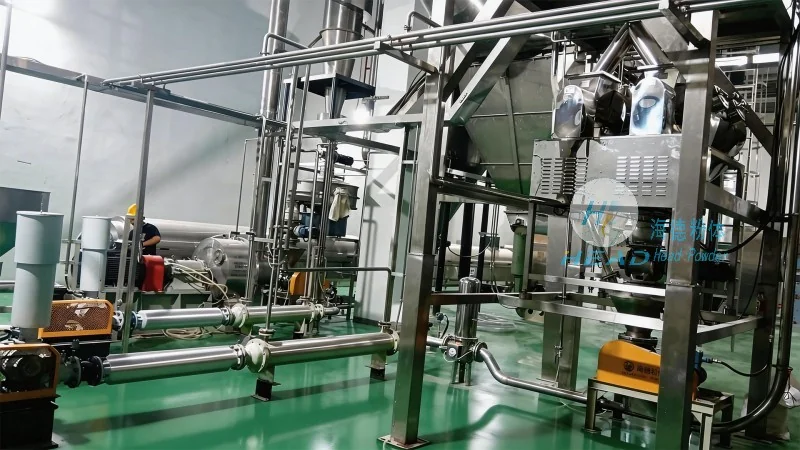
The entire operation is monitored by a control system that ensures all components are functioning correctly. The control system can adjust the air pressure, feeder speed, and other parameters to optimize the system's performance. This ensures that the system operates at its peak efficiency, minimizing energy consumption and maximizing material throughput.
Working Principle of the Pneumatic Conveying System
The working principle of the small bag feeding material pneumatic conveying system is based on the principle of pneumatic transport, where material particles are suspended and transported by a moving air stream. The system uses a combination of positive and negative pressure to move the material through the conveying line. In positive pressure systems, the air is forced into the conveying line, pushing the material forward. In negative pressure systems, the air is drawn out of the line, creating a vacuum that pulls the material.
For the small bag feeding system, a positive pressure system is commonly used, as it is more suitable for handling fine or powdery materials. The air compressor generates high-pressure air that is introduced into the conveying line at the inlet. The air flows through the line, carrying the material particles with it. The velocity of the air is maintained at a level that ensures the material is fully suspended and transported without causing blockages or damage to the material.
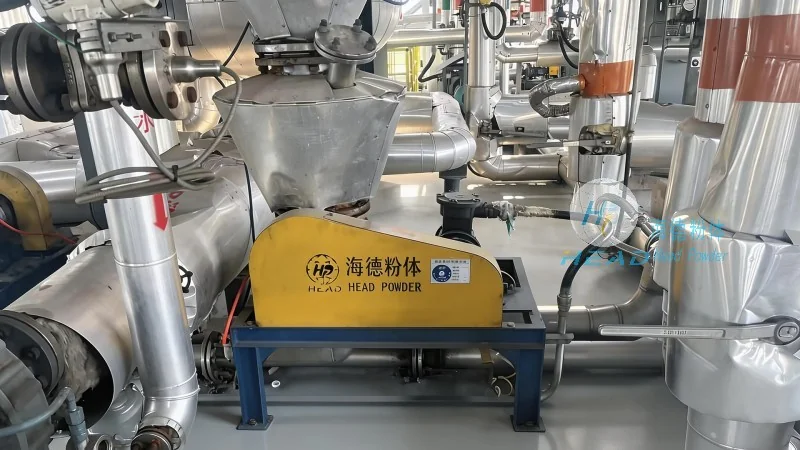
The system's design ensures that the air velocity is sufficient to overcome the gravitational force of the material and any frictional forces within the conveying line. The diameter of the conveying line is also optimized to maintain the correct air-to-material ratio, which is crucial for efficient transport. The system's control system continuously monitors the air pressure and flow rate, adjusting them as needed to maintain optimal conditions.
Advantages of the Small Bag Feeding Material Pneumatic Conveying System
The small bag feeding material pneumatic conveying system offers several advantages over traditional material handling methods. One of the main advantages is the ability to handle materials from sealed bags without manual intervention, reducing the risk of contamination and improving safety. The system also provides precise control over the material flow rate, ensuring consistent and accurate delivery of materials to the processing equipment.
Another advantage is the system's ability to handle a wide range of materials, including fine powders, granules, and bulk materials. The system's design can be customized to accommodate different material properties, such as moisture content, particle size, and density. This flexibility makes the system suitable for various industrial applications.
The system also offers high efficiency and low maintenance costs. The automated operation reduces labor requirements and minimizes the risk of human error. The use of corrosion-resistant materials and advanced components ensures long service life and reduces the need for frequent maintenance. Additionally, the system's energy efficiency is optimized through the control system, which adjusts the air pressure and flow rate based on the actual material load.




