Headpowder, a leading manufacturer based in Shandong, China, specializes in the design, development, and implementation of advanced pigment powder pneumatic conveying systems. These systems are crucial for efficiently transporting dry pigment powders in various industrial applications, ensuring consistent performance and reliability in material handling processes.
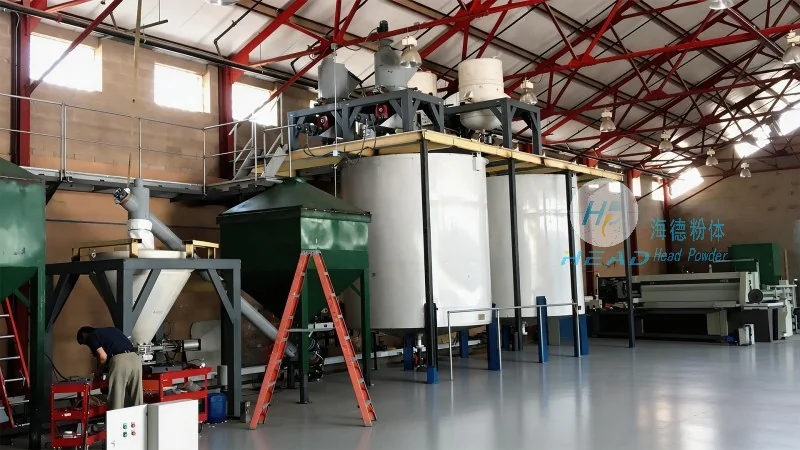
Overview of Pigment Powder Pneumatic Conveying Systems
A pigment powder pneumatic conveying system is a specialized equipment setup designed to transport dry pigment powders through a pipeline using compressed air or other gas streams. The system integrates components such as a hopper, feeder, conveying line, and control unit to facilitate the seamless movement of pigment powders from the storage area to processing units or packaging stations. This technology offers significant advantages over traditional mechanical conveying methods, including reduced contamination risk, lower maintenance requirements, and enhanced safety in handling potentially hazardous or sensitive pigments.
Key Components and Their Roles
The effectiveness of a pigment powder pneumatic conveying system relies on several critical components working in concert. The primary components include a storage hopper, which holds the pigment powder; a feeder, typically a rotary valve or screw feeder, that controls the flow rate of the material; a conveying line, often made of stainless steel or other corrosion-resistant materials to prevent material degradation; and a control unit that regulates the air pressure and flow to maintain optimal conveying conditions. Additionally, the system may incorporate filters, cyclones, or other separation devices to ensure the purity of the conveyed material and protect downstream equipment from dust accumulation.
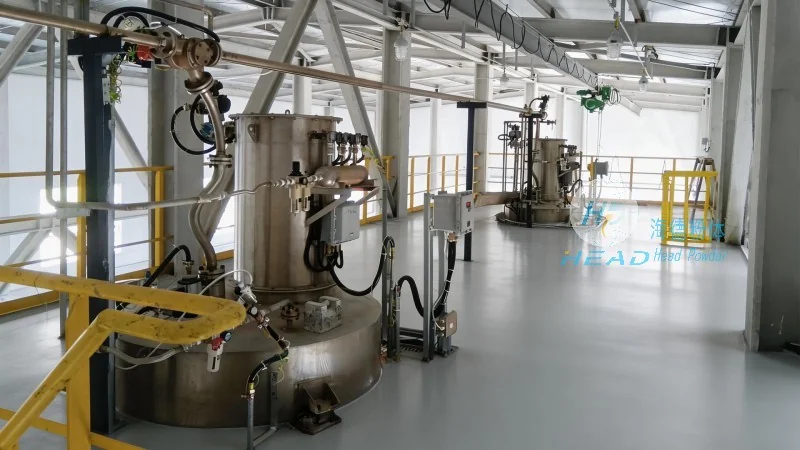
Operation Process: Step-by-Step Execution
The operation of a pigment powder pneumatic conveying system follows a systematic sequence to ensure efficient and continuous material transport. The process begins with the pigment powder being loaded into the storage hopper. The feeder then starts, gradually releasing the powder into the conveying line as compressed air is introduced. The air stream, typically generated by a blower or compressor, creates a low-pressure zone that draws the powder particles into the pipeline. As the powder travels through the conveying line, it is propelled by the air flow, moving from the hopper to the discharge point. The control unit continuously monitors the pressure and flow rates, adjusting the air supply to maintain consistent conveying velocity and prevent blockages or material degradation. Upon reaching the destination, the powder is discharged into a receiving container or processing equipment, completing the cycle.
Working Principle: The Physics Behind Pneumatic Conveying
The working principle of a pigment powder pneumatic conveying system is based on the fundamental physics of fluid dynamics and particle motion. When compressed air is introduced into the conveying line, it creates a high-velocity air stream that interacts with the pigment powder particles. The air flow generates sufficient kinetic energy to lift and transport the powder particles, overcoming the gravitational force that would otherwise cause the material to settle. The system operates on the principle of dilute-phase or dense-phase conveying, depending on the air-to-powder ratio and system design. In dilute-phase conveying, the powder is suspended in the air stream, allowing for high-velocity transport over long distances. In dense-phase conveying, the air flow is reduced, and the powder moves in a more compacted state, which is beneficial for handling delicate or abrasive pigments that require gentler handling. The efficiency of the system is determined by factors such as air pressure, flow rate, particle size, and the design of the conveying line, all of which are optimized to achieve the desired conveying performance.
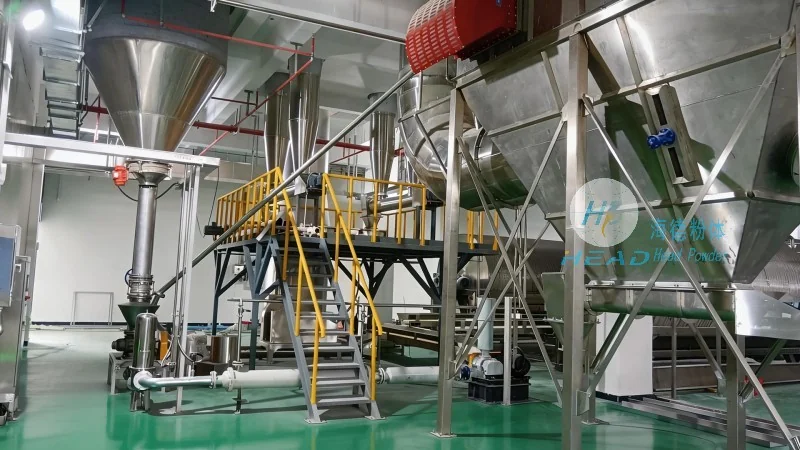
Benefits and Applications in Industrial Settings
Pigment powder pneumatic conveying systems offer numerous benefits that make them ideal for industrial applications. These systems provide a clean and hygienic method of transporting pigments, minimizing the risk of contamination from external sources. The enclosed pipeline design prevents dust emissions, reducing environmental impact and improving workplace safety. Additionally, the systems are highly flexible, allowing for easy integration with existing production lines and the ability to transport materials over long distances without the need for multiple transfer points. Industries such as coatings, plastics, printing inks, and pharmaceuticals widely use these systems to handle a variety of pigment powders, including titanium dioxide, iron oxides, and carbon black, ensuring consistent quality and performance in end products.
Maintenance and Operational Considerations
To ensure the long-term reliability and efficiency of a pigment powder pneumatic conveying system, regular maintenance and proper operational practices are essential. Regular cleaning of the conveying line and components is necessary to prevent the buildup of dust or material residues, which can affect system performance and cause blockages. The feeder and control unit should be inspected periodically to ensure proper operation and adjust flow rates as needed. Additionally, monitoring air pressure and flow rates is crucial to detect any deviations that may indicate system issues. Proper training of operators on the system's operation and maintenance procedures is also vital to prevent operational errors and ensure safe and efficient material handling. By adhering to these practices, users can maximize the lifespan and performance of their pigment powder pneumatic conveying systems, minimizing downtime and maintenance costs.




