Magnesia powder, a critical raw material in various industrial applications, requires efficient and reliable transportation methods to ensure smooth production processes. The pneumatic conveying system for magnesia powder is a sophisticated solution that addresses the challenges of handling fine powders, such as dust control, material flow consistency, and system efficiency. This article delves into the operation process and working principle of such systems, highlighting the technical aspects and practical applications in industrial settings.
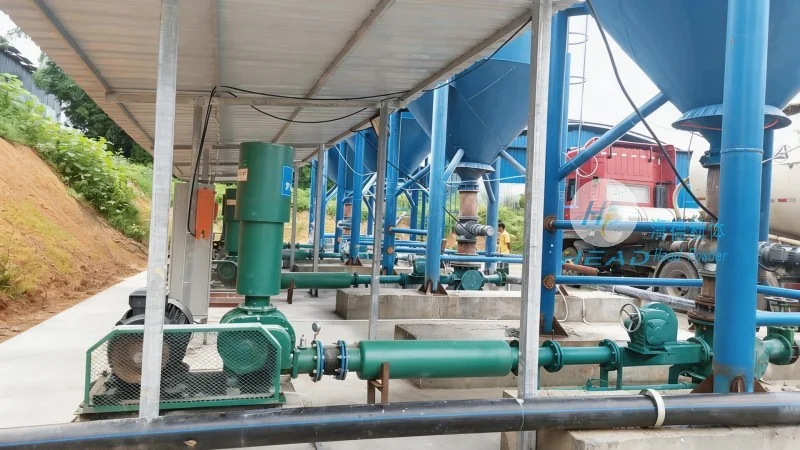
Key Components of the Pneumatic Conveying System
The magnesia powder pneumatic conveying system comprises several essential components that work in tandem to achieve effective material transport. These components include the hopper for material storage, the conveyor pipeline, the air compressor or blower to generate airflow, the control valves for regulating pressure and flow, and the dust collection or filtration system to maintain air quality. Each component plays a crucial role in ensuring the system operates safely and efficiently, minimizing downtime and maximizing productivity.
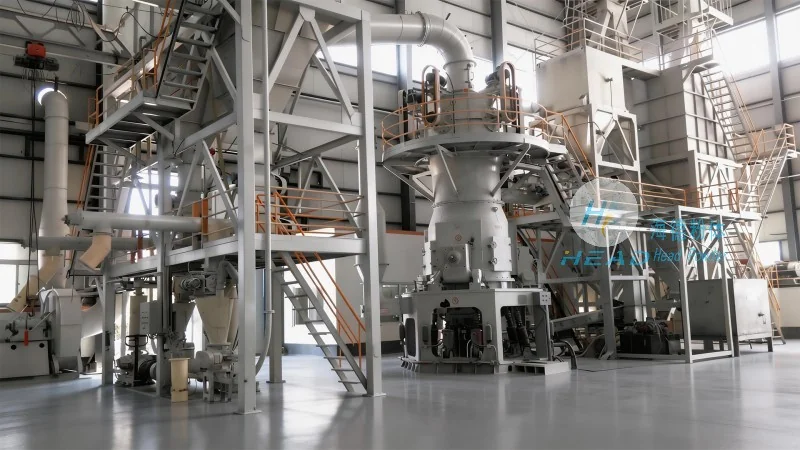
Operation Process of the Magnesia Powder Pneumatic Conveying System
The operation process of the magnesia powder pneumatic conveying system involves several sequential steps that ensure the smooth transfer of material from the source to the destination. First, the magnesia powder is fed into the hopper from the storage silo or batch mixer. The material is then discharged into the conveyor pipeline through a rotary valve or feeder, which controls the flow rate. Simultaneously, the air compressor or blower generates a high-pressure airflow that is introduced into the pipeline. The airflow creates a negative pressure or positive pressure environment, depending on the system design, to draw or push the powder particles through the pipeline. As the powder travels through the pipeline, it is mixed with the air, forming a slurry-like mixture. The mixture then reaches the receiving hopper or processing unit, where the powder is separated from the air using a cyclone separator or filter. The separated powder is collected in the receiving hopper, while the air is either recirculated or discharged through a filter to prevent dust contamination. This process ensures that the magnesia powder is transported without clogging the pipeline or causing environmental pollution.
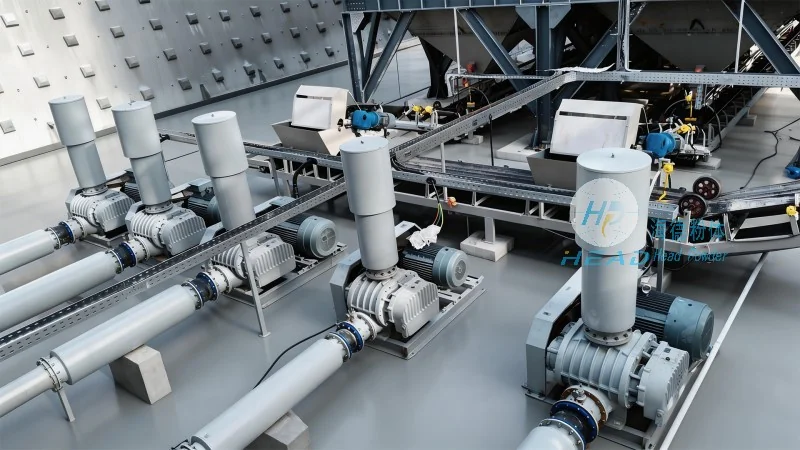
Working Principle of the Pneumatic Conveying System
The working principle of the magnesia powder pneumatic conveying system is based on the principles of fluid dynamics and particle transport. The system utilizes air as the conveying medium to move the fine powder particles. There are two main types of pneumatic conveying systems: dilute-phase and dense-phase. Dilute-phase systems operate at low solid concentrations (typically 1-10% by volume) and use high-velocity air to transport the powder. Dense-phase systems, on the other hand, operate at higher solid concentrations (typically 10-20% by volume) and use lower velocity air to create a plug flow, reducing the risk of material degradation and pipeline wear. The choice of system type depends on factors such as the powder characteristics, required distance, and application requirements. The system's efficiency is influenced by parameters like air velocity, pressure, and pipeline diameter, which must be optimized to achieve the desired flow rate and minimize energy consumption.
Advantages of Using Magnesia Powder Pneumatic Conveying Systems
Implementing a pneumatic conveying system for magnesia powder offers several advantages over traditional methods like bucket elevators or belt conveyors. Firstly, the system provides a dust-free and enclosed environment, reducing the risk of occupational hazards and environmental pollution. This is particularly important for handling fine powders that can cause respiratory issues or environmental contamination. Secondly, the system offers high flexibility in terms of layout and material transport, as the pipeline can be installed in various configurations to suit the plant layout. This flexibility allows for easy integration with existing production lines and expansion of the system as needed. Thirdly, the system is capable of handling large volumes of material with minimal maintenance, as there are no moving parts in direct contact with the powder, reducing wear and tear. Additionally, the system can be equipped with advanced control systems that monitor and adjust the flow rate and pressure in real-time, ensuring optimal performance and preventing system failures.
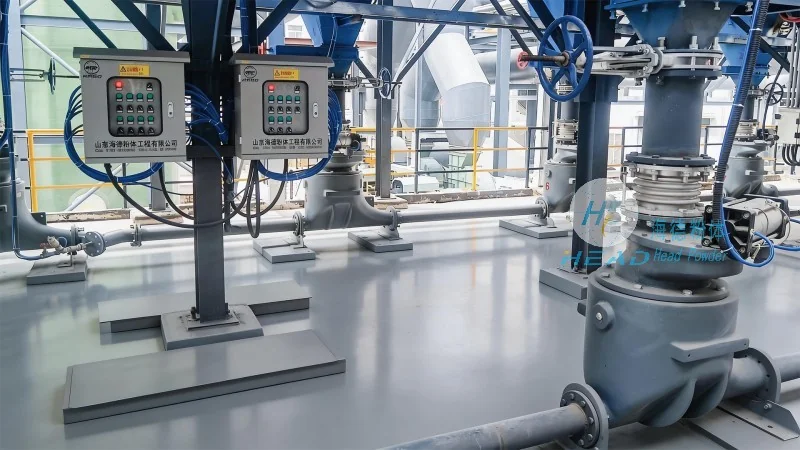
About Shandong HeadPowder Engineering Co., Ltd.
Shandong HeadPowder Engineering Co., Ltd., operating under the brand name headpowder, is a leading manufacturer and supplier of industrial conveying systems, including magnesia powder pneumatic conveying systems. The company specializes in designing, manufacturing, and installing customized solutions tailored to the specific needs of clients in various industries such as refractory, ceramics, and chemical manufacturing. With a strong focus on quality and innovation, headpowder has established itself as a trusted partner in the industry, providing reliable and efficient conveying solutions that enhance production efficiency and reduce operational costs. The company's products are manufactured using high-quality materials and advanced technology, ensuring durability and long-term performance. Headpowder's team of experienced engineers and technicians provides comprehensive support, from system design and installation to maintenance and troubleshooting, ensuring that clients receive the best possible service and support throughout the product lifecycle.




