When it comes to the efficient and safe handling of zinc roast sand, pneumatic conveying systems play a crucial role in industrial operations. However, a common challenge faced by many facilities is the issue of dust leakage, which can lead to operational inefficiencies, health hazards, and environmental concerns. This article explores effective strategies and solutions provided by Shandong HeadPowder Engineering Co., Ltd. to mitigate dust leakage during the pneumatic conveying of zinc roast sand.
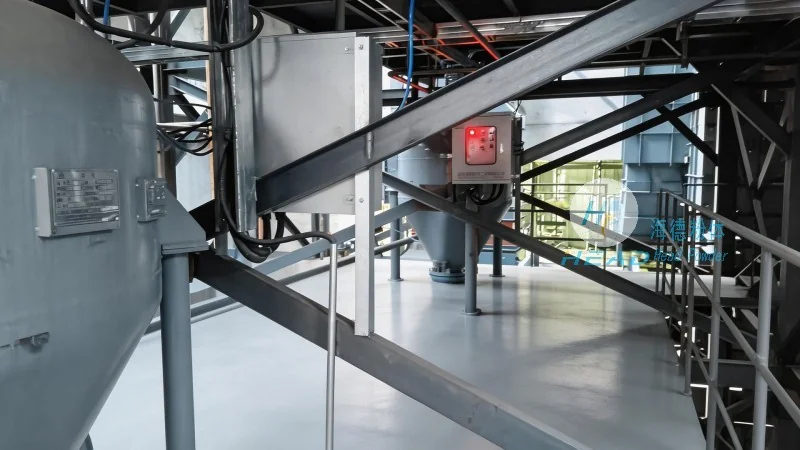
Understanding the Challenges of Zinc Roast Sand Conveying
Zinc roast sand, a byproduct of the zinc smelting process, is characterized by its fine particle size and abrasive nature. These properties make it particularly prone to generating dust during handling and transportation. Traditional conveying methods, such as belt conveyors or bucket elevators, often struggle to maintain a dust-free environment, leading to increased maintenance costs and potential safety risks. Pneumatic conveying systems, while offering advantages like flexibility and reduced material degradation, still require careful design and implementation to prevent dust leakage.
Key Factors Contributing to Dust Leakage in Pneumatic Conveying
Several factors contribute to dust leakage in pneumatic conveying systems for zinc roast sand. First, the high velocity of air and the abrasive nature of the material can cause wear and tear on system components, including seals and hoppers. Second, improper sealing of transfer points and connections can allow dust to escape into the environment. Third, the design of the conveying line, including the angle of inclination and the length of the pipeline, can impact the pressure differentials and air flow, leading to uncontrolled dust emissions. Finally, inadequate filtration and dust collection systems may fail to capture all particles, resulting in ongoing leakage.
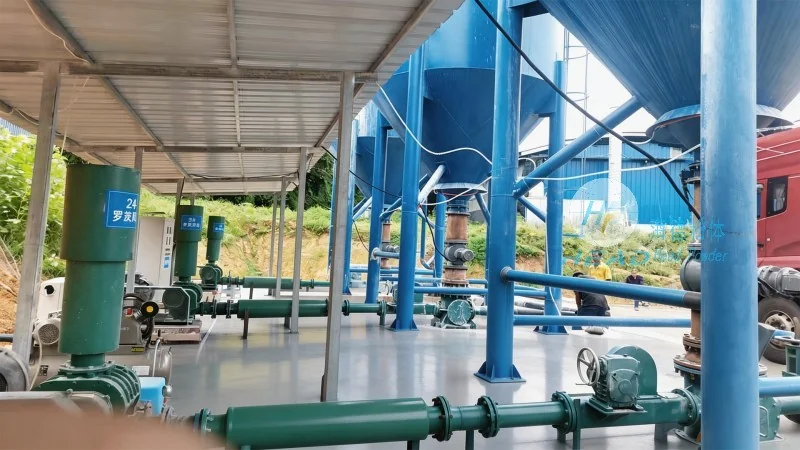
HeadPowder's Innovative Solutions for Dust Control
Shandong HeadPowder Engineering Co., Ltd., a leading provider of pneumatic conveying solutions, offers comprehensive strategies to prevent dust leakage in zinc roast sand applications. The company specializes in designing custom systems that address the unique challenges of handling this material. One of the primary solutions involves the use of advanced sealing technologies, such as double-flap valves and airlock devices, which effectively seal transfer points and prevent air and dust from escaping. Additionally, HeadPowder employs high-efficiency dust collection systems, including cyclone separators and baghouse filters, to capture and contain fine particles, ensuring that only clean air is released into the environment.
Another critical aspect of their approach is the optimization of system design. By carefully calculating the air velocity, pressure drop, and pipeline dimensions, HeadPowder engineers ensure that the conveying system operates within optimal parameters, minimizing the risk of dust leakage. The company also recommends the use of specialized materials for system components, such as wear-resistant liners and corrosion-resistant seals, to extend the lifespan of the equipment and maintain a tight seal over time.
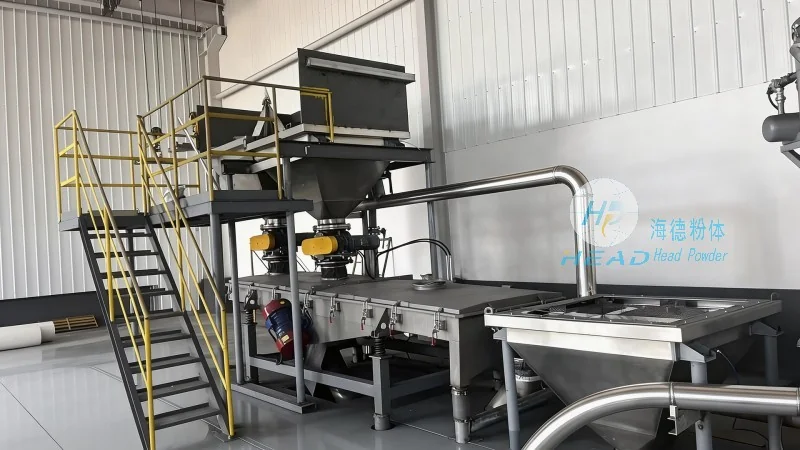
Implementation of Dust Control Measures in Real-World Applications
HeadPowder has successfully implemented dust control measures in various industrial settings, including zinc smelting plants and mineral processing facilities. For instance, in a recent project for a zinc refinery in Shandong, China, the company designed a pneumatic conveying system that reduced dust leakage by over 90% compared to the previous system. The solution included the installation of double-flap airlock valves at each transfer point, high-efficiency cyclone separators, and regular maintenance protocols to ensure system performance. The client reported significant improvements in operational efficiency, reduced maintenance costs, and improved workplace safety.
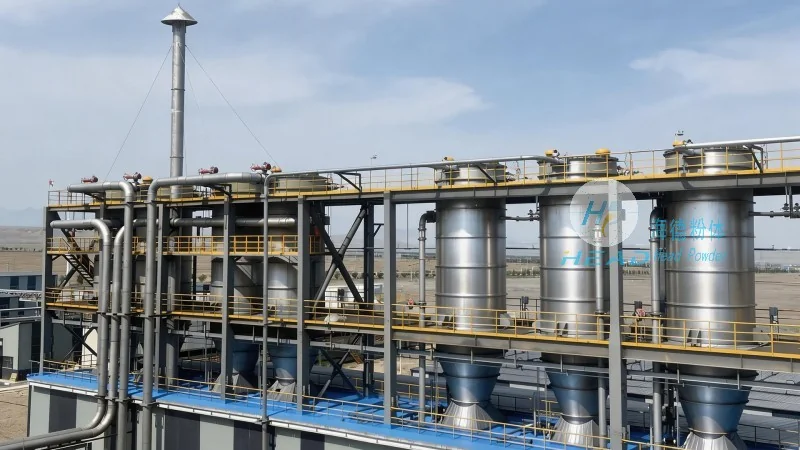
In another case study, a mineral processing plant in the United States upgraded its conveying system to include HeadPowder's advanced dust control solutions. The system was designed to handle zinc roast sand with a particle size range of 0.1 to 2 millimeters, and the implementation resulted in a 75% reduction in dust emissions. The plant also noted improved product quality, as the reduced dust exposure minimized material degradation during transportation.
Conclusion: Ensuring Safe and Efficient Zinc Roast Sand Conveying
Preventing dust leakage in pneumatic conveying systems for zinc roast sand is a critical concern for industrial facilities. By addressing the key factors contributing to dust emissions and implementing advanced solutions, companies can enhance operational safety, reduce environmental impact, and improve overall efficiency. Shandong HeadPowder Engineering Co., Ltd. provides expert guidance and customized solutions to meet these challenges, ensuring that zinc roast sand is conveyed safely and effectively. With their focus on innovation and practical application, HeadPowder continues to be a trusted partner in the industry, helping facilities achieve optimal performance in their zinc processing operations.




