Phenolic resin powder is a critical material in various industrial applications, and efficient material handling is essential for maintaining production efficiency and product quality. This article provides a detailed overview of the operation process and working principles of phenolic resin powder material handling systems, focusing on the key components, operational steps, and technical considerations involved in the process.
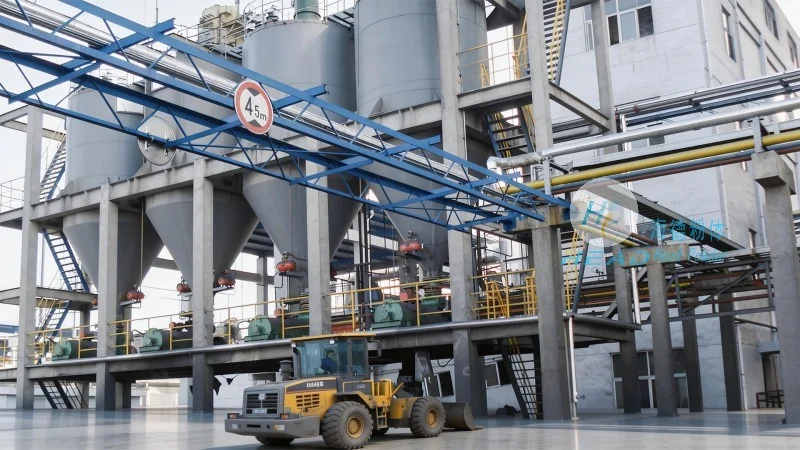
Introduction to Phenolic Resin Powder Material Handling
Phenolic resin powder, also known as Bakelite powder, is widely used in the manufacturing of molded products, composites, and electrical components due to its excellent mechanical properties, electrical insulation, and heat resistance. Proper material handling is crucial to prevent contamination, agglomeration, and loss of material, which can significantly impact production outcomes. The material handling process for phenolic resin powder involves several stages, each designed to ensure the powder is transported, stored, and processed efficiently and safely.
Key Components of Phenolic Resin Powder Material Handling Systems
The material handling system for phenolic resin powder typically includes a range of equipment and components tailored to the unique properties of the powder. These components work in concert to ensure smooth and reliable operation. Key components include:
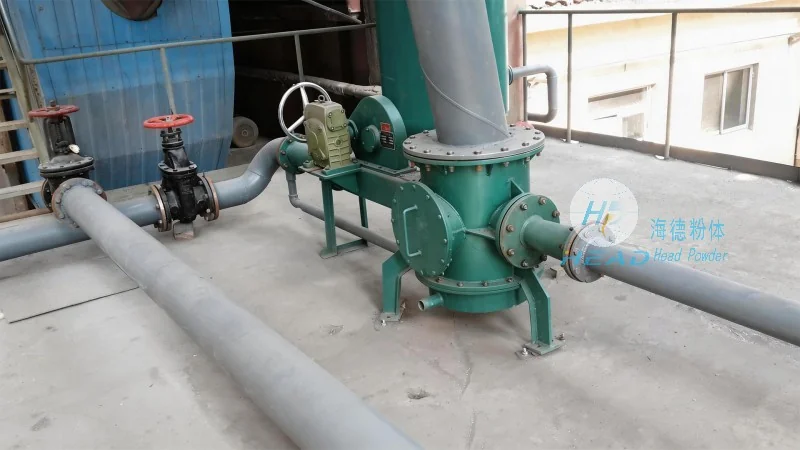
- Feeding Equipment: This includes hoppers, feeders, and conveyors designed to handle the free-flowing yet potentially cohesive nature of phenolic resin powder. The feeding equipment ensures a consistent and controlled flow of material into the processing equipment.
- Conveying Systems: Conveyors such as belt conveyors, screw conveyors, or pneumatic conveying systems are used to transport the powder from one location to another. The choice of conveyor depends on the distance, height, and material characteristics. For phenolic resin powder, pneumatic conveying is often preferred due to its ability to handle fine powders and minimize dust generation.
- Drying and Conditioning Equipment: Phenolic resin powder may require drying or conditioning to maintain optimal moisture content. Drying equipment, such as rotary dryers or fluidized bed dryers, can be integrated into the system to ensure the powder is at the correct moisture level for processing.
- Storage and Silos: Large storage silos are used to store the powder in bulk, ensuring a steady supply for production. The silos are designed to prevent caking and maintain the powder's quality.
- Control Systems: Advanced control systems, including sensors and automation, monitor and regulate the material flow, ensuring consistent performance and safety.
The Operation Process of Phenolic Resin Powder Material Handling
The operation process of phenolic resin powder material handling involves several sequential steps, each critical to the overall efficiency and effectiveness of the system. The process typically begins with the storage of the powder in bulk silos. From there, the powder is transferred to the feeding equipment, where it is metered and fed into the conveying system. The conveying system transports the powder to the processing equipment, such as mixers or extruders. Throughout the process, the powder is monitored for moisture content, flow rate, and other parameters to ensure optimal performance.
Working Principles of Phenolic Resin Powder Material Handling
The working principles of phenolic resin powder material handling systems are based on the physical properties of the powder and the principles of fluid dynamics and material handling. The key principles include:
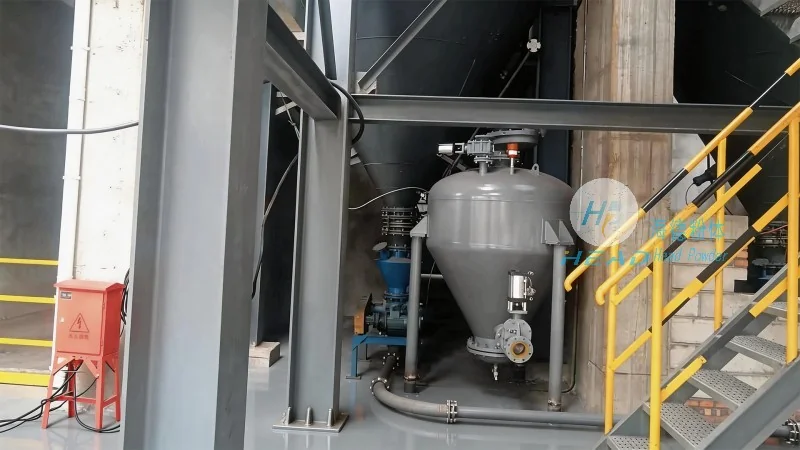
- Consolidation and Flow Control: Phenolic resin powder is a cohesive material that can agglomerate under certain conditions. The system uses various techniques, such as vibration, air classification, and proper hopper design, to prevent agglomeration and ensure consistent flow.
- Pneumatic Conveying: Pneumatic conveying systems use air to transport the powder, which is particularly effective for fine powders like phenolic resin. The system consists of a blower, a conveying line, and a receiver. The air flow creates a pressure differential that moves the powder through the system, minimizing dust and ensuring efficient transport.
- Temperature and Moisture Control: Maintaining the correct temperature and moisture content is crucial for the powder's properties. The system includes drying and conditioning equipment to regulate these parameters, ensuring the powder remains stable and suitable for processing.
- Automation and Monitoring: Modern material handling systems are equipped with advanced sensors and control systems that monitor the entire process. This allows for real-time adjustments and ensures the system operates within optimal parameters, reducing downtime and improving efficiency.
Benefits of Efficient Phenolic Resin Powder Material Handling
Efficient material handling of phenolic resin powder offers several benefits for industrial operations. These include improved production efficiency, reduced material waste, enhanced product quality, and increased safety. By ensuring consistent flow and proper storage, the system minimizes the risk of contamination and agglomeration, which can lead to defects in the final product. Additionally, efficient handling reduces labor costs and improves overall operational reliability.
Conclusion
Phenolic resin powder material handling is a complex process that requires careful consideration of the material's properties and the design of the handling system. By understanding the operation process and working principles, industrial manufacturers can optimize their material handling systems to improve efficiency, reduce costs, and enhance product quality. The integration of advanced equipment and control systems is essential for achieving optimal performance in phenolic resin powder material handling.




