Shandong HeadPowder Engineering Co., Ltd., based in Shandong, China, specializes in the design, manufacturing, and installation of advanced material handling systems. A key offering is the grit material conveying system, engineered to efficiently transport abrasive grit materials with precision and reliability. This article explores the operation process and working principle of such systems, providing a comprehensive understanding of their function in industrial applications.
Overview of Grit Material Conveying Systems
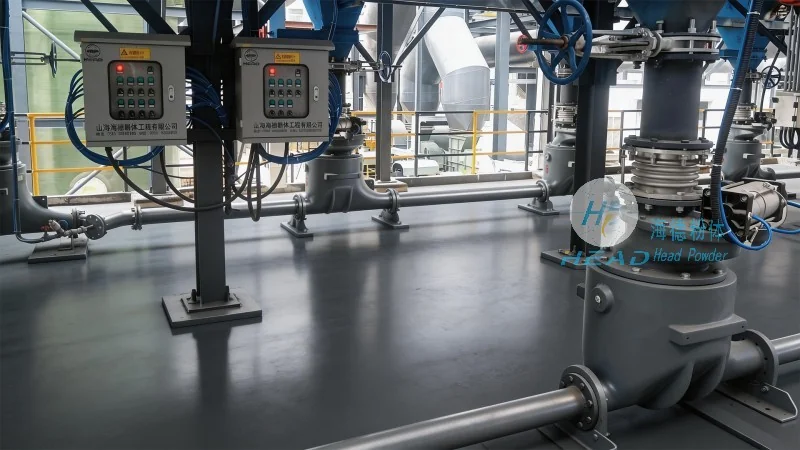
Grit material conveying systems are critical in industries handling abrasive materials, including construction, mining, and manufacturing. These systems are designed to move grit—such as silica sand, steel grit, or other hard granular substances—from one location to another while maintaining efficiency, safety, and minimal equipment wear. The system typically comprises components like feed hoppers, conveyor mechanisms (belts or screws), control systems, and discharge units, all working in unison to ensure smooth operation.
The Operation Process of Grit Material Conveying
The operation process of a grit material conveying system begins with loading the grit material into the feed hopper. The hopper is engineered with a sloped bottom to facilitate material flow as it accumulates. Gravity causes the grit to move down the hopper into the conveyor section. The conveyor—whether a belt or screw—then transports the material along its path. In a belt conveyor system, the grit is carried by the moving belt, while a screw conveyor uses a rotating screw to push the material forward. The conveyor is equipped with speed controls and tension mechanisms to ensure consistent flow. Once the grit reaches the discharge point, it is released into a collection bin or directly to the next processing stage. Sensors and control panels monitor performance, adjusting parameters as needed to maintain optimal operation.
The Working Principle of Grit Material Conveying Systems
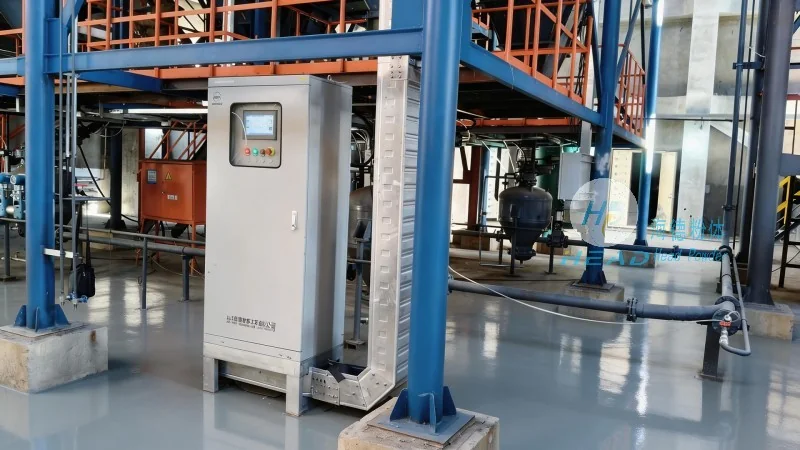
The working principle centers on mechanical component interaction and material properties. The feed hopper’s sloped design utilizes gravity to initiate material movement. The conveyor mechanism—belt or screw—converts rotational energy into linear motion, propelling the grit forward. Belt conveyors rely on tension and speed for transport, while screw conveyors use pitch and rotation speed to control flow. Safety features like overload sensors prevent damage from excessive buildup. Durable materials (stainless steel, high-strength polymers) for hopper and conveyor components resist abrasion and corrosion. A PLC-integrated control system manages the entire operation, coordinating feed rate, conveyor speed, and discharge timing for efficient material handling.
Key Components and Their Roles
Several critical components enable effective operation. The feed hopper serves as the entry point, minimizing blockages and ensuring steady flow. The conveyor (belt or screw) transports material, with belts suited for lighter loads and screws ideal for heavier, abrasive materials. The control panel, with sensors and indicators, monitors system status and adjusts parameters in real-time. The discharge unit (chute or valve) regulates grit release, preventing spillage and ensuring accurate delivery. Each component is engineered for durability, with materials chosen to withstand harsh grit handling conditions.
Applications and Industry Relevance
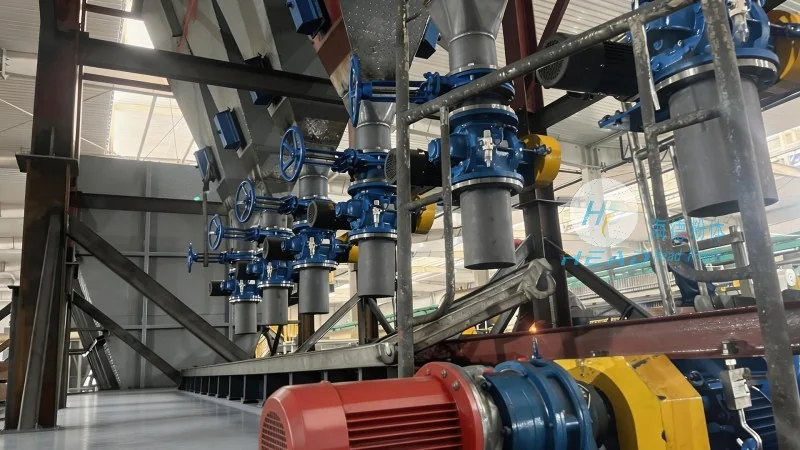
Grit material conveying systems are widely used across industries. In construction, they transport sand and gravel for concrete mixing and roadwork. Mining operations use them to move crushed ore and other abrasive materials from plants to storage or transport facilities. Manufacturing sectors employ these systems for handling grit in surface preparation (e.g., sandblasting, grinding). Their efficiency and reliability make them indispensable where consistent material flow is critical to production. By ensuring safe and effective grit transport, these systems enhance productivity and reduce downtime in industrial settings.
Maintenance and Operational Considerations
Proper maintenance is essential for long-term system performance. Regular inspections of hopper and conveyor components for wear and damage prevent breakdowns. Lubrication of moving parts (bearings, screws) reduces friction and extends equipment life. Cleaning the system post-use, especially for abrasive materials, prevents buildup affecting flow or causing blockages. Monitoring energy consumption and adjusting conveyor speeds optimizes operational costs. Operator training on system use and maintenance ensures safe, efficient operation. By adhering to these practices, companies maximize system lifespan and maintain consistent performance.




