Denitrification fly ash, as a byproduct of flue gas desulfurization and denitrification processes in thermal power plants, requires efficient and reliable handling systems to ensure safe and environmentally friendly disposal or reuse. The pneumatic conveying system for denitrification fly ash has emerged as a key technology in modern power plant operations, offering advantages such as low energy consumption, minimal environmental impact, and flexible system design. This article provides an overview of the denitrification fly ash pneumatic conveying system, focusing on its structural components and working principles, while highlighting the expertise of Shandong HeadPowder Engineering Co., Ltd. as a leading provider in this field.
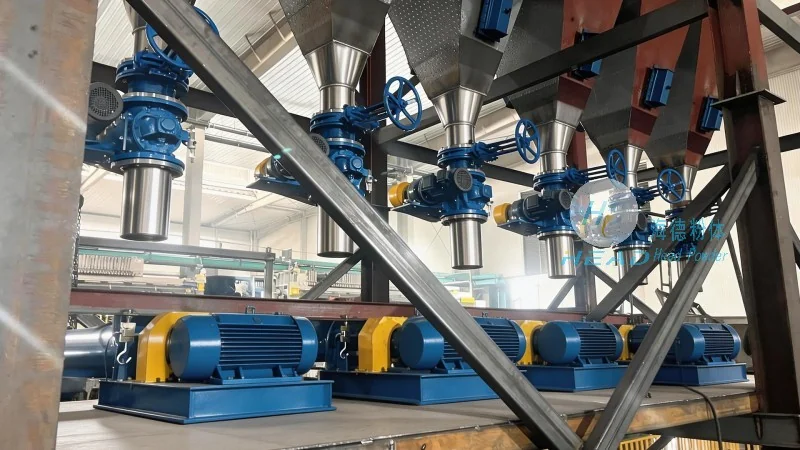
Company Profile: Shandong HeadPowder Engineering Co., Ltd.
Shandong HeadPowder Engineering Co., Ltd., commonly known as HeadPowder, is a professional engineering and manufacturing company based in Shandong, China. With years of experience in the powder handling and conveying industry, HeadPowder specializes in developing customized solutions for various industrial applications, including the handling of denitrification fly ash. The company's commitment to innovation, quality, and customer satisfaction has established it as a trusted partner for power plants and industrial facilities seeking efficient and reliable fly ash management systems.
Overview of Denitrification Fly Ash Pneumatic Conveying System
The denitrification fly ash pneumatic conveying system is a sophisticated piece of equipment designed to transport denitrification fly ash from its source, typically the denitrification reactor or storage silo, to the final disposal or utilization location. This system operates by using compressed air or other gas to create a flow that moves the fly ash particles through a pipeline network. The design of the system is tailored to handle the specific characteristics of denitrification fly ash, which often includes high moisture content, abrasive properties, and potential corrosive elements due to the chemicals used in the denitrification process.
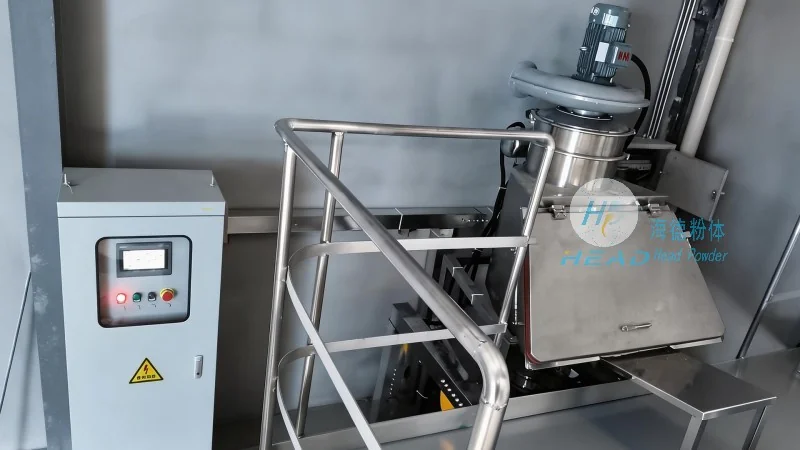
Key Structural Components of the System
The denitrification fly ash pneumatic conveying system consists of several critical components that work in concert to ensure efficient and safe operation. These components include the ash collection hopper or silo, which serves as the initial storage and feeding unit; the feeder, which controls the flow rate of the fly ash into the conveying line; the conveying pipeline, which transports the ash from the source to the destination; the air compressor or blower, which provides the necessary pressure and airflow to move the material; and the control system, which monitors and regulates the operation of the entire system. Each component is carefully selected and designed to withstand the unique challenges posed by denitrification fly ash, such as abrasion, moisture, and chemical exposure.
Working Principle of the Pneumatic Conveying Process
The working principle of the denitrification fly ash pneumatic conveying system is based on the principle of pneumatic transport, where the fly ash particles are suspended in a stream of air and carried through the pipeline. The process begins with the feeder discharging the fly ash into the conveying line, where it is mixed with the compressed air from the blower. The air velocity in the pipeline is maintained at a level sufficient to keep the fly ash particles in suspension, preventing blockages and ensuring smooth transport. The conveying line may include bends, valves, and other fittings that are designed to minimize pressure loss and maintain the flow of the material. At the destination, the fly ash is separated from the air using a separator or cyclone, and the air is then discharged or recirculated, depending on the system design. The separated fly ash is then collected in a storage bin or transported to the final disposal site.
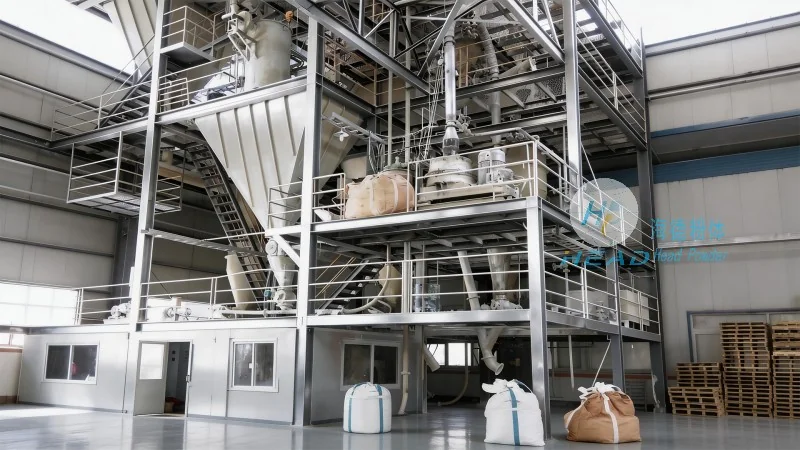
Advantages of the Pneumatic Conveying System for Denitrification Fly Ash
Compared to traditional methods such as belt conveyors or screw conveyors, the pneumatic conveying system offers several advantages for handling denitrification fly ash. First, it provides a closed system that prevents dust emissions and protects the environment from contamination. Second, it is more energy-efficient, as the system can operate with lower pressure and airflow compared to other conveying methods. Third, it offers flexibility in system layout, allowing for horizontal, vertical, or inclined transport of the fly ash. Fourth, it is less prone to blockages and wear due to the abrasive nature of the fly ash, as the material is kept in suspension throughout the conveying process. These advantages make the pneumatic conveying system an ideal choice for power plants and industrial facilities seeking to manage denitrification fly ash in an efficient and environmentally responsible manner.
Application and Integration with Power Plant Systems
The denitrification fly ash pneumatic conveying system is typically integrated into the overall power plant system, working in conjunction with the flue gas desulfurization and denitrification units. The system is designed to collect the fly ash from the denitrification reactor and transport it to the fly ash storage silo or the final disposal site. The integration of the system with the power plant's control system allows for automated operation, ensuring that the fly ash is handled continuously and without interruption. The system can also be configured to handle other types of fly ash or powders, making it a versatile solution for various industrial applications. HeadPowder's expertise in system integration and customization ensures that the denitrification fly ash pneumatic conveying system is tailored to meet the specific needs of each power plant, providing a reliable and efficient solution for fly ash management.
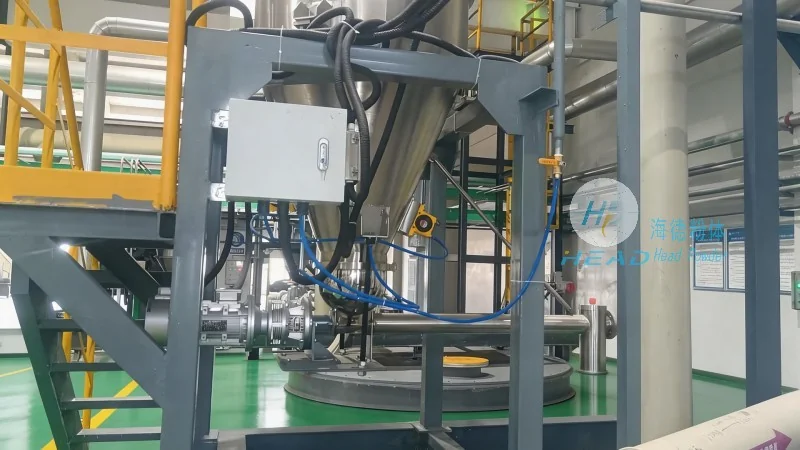
Maintenance and Operational Considerations
Proper maintenance and operational considerations are crucial for the long-term performance and reliability of the denitrification fly ash pneumatic conveying system. Regular inspection and maintenance of the components, such as the feeder, pipeline, and air compressor, are necessary to prevent wear and tear and ensure optimal operation. The system should be monitored for pressure, airflow, and material flow rates to detect any abnormalities or potential issues. The use of high-quality materials and components, such as wear-resistant pipes and corrosion-resistant equipment, is essential to extend the system's lifespan and reduce maintenance costs. Additionally, the system should be designed with safety features, such as dust collection and explosion-proof components, to protect personnel and the environment from potential hazards. By following proper maintenance procedures and operational guidelines, the denitrification fly ash pneumatic conveying system can provide reliable and efficient service for many years.
Conclusion
The denitrification fly ash pneumatic conveying system is a critical component of modern power plant operations, providing an efficient and environmentally friendly method for handling denitrification fly ash. With its advanced structural design and working principles, the system offers significant advantages over traditional conveying methods, including low energy consumption, minimal environmental impact, and flexible system layout. Shandong HeadPowder Engineering Co., Ltd. has established itself as a leading provider of these systems, offering customized solutions that meet the specific needs of power plants and industrial facilities. By leveraging the expertise and experience of HeadPowder, power plants can ensure the safe and reliable management of denitrification fly ash, contributing to a more sustainable and environmentally responsible operation.




