Understanding the operation process and working principle of a sodium hydroxide powder pneumatic conveying machine is crucial for optimizing material handling in industrial settings. This equipment is specifically designed to transport sodium hydroxide powder, a highly caustic and reactive chemical, with precision and efficiency. The following sections will delve into the detailed operation process and the underlying principles that enable the machine to function effectively.
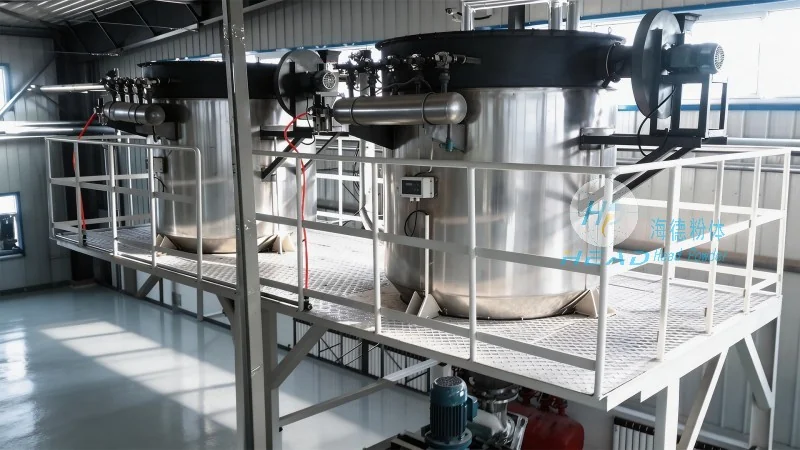
Introduction to Sodium Hydroxide Powder Pneumatic Conveying
Sodium hydroxide, commonly known as caustic soda, is a white solid that is widely used in various industries, including chemical manufacturing, paper production, and water treatment. Due to its hygroscopic nature and potential for reactivity with other materials, it requires specialized handling equipment to ensure safety and efficiency. The pneumatic conveying machine from Shandong HeadPowder Engineering Co., Ltd. addresses these challenges by utilizing air as the conveying medium to transport the powder from a storage silo or hopper to processing units or storage locations.
Working Principle of the Pneumatic Conveying System
The core working principle of the sodium hydroxide powder pneumatic conveying machine is based on the use of compressed air to create a flow that propels the powder particles through a pipeline. The system typically consists of several key components, including a material hopper, a rotary airlock feeder, a conveying line, and a receiver or discharge unit. The process begins with the powder being fed from the hopper into the feeder, where it is metered and introduced into the conveying line under the pressure of the compressed air.
As the compressed air flows through the pipeline, it creates a low-pressure zone that draws the powder particles into the air stream. The air velocity is carefully controlled to ensure that the powder particles are suspended and transported without causing excessive wear or degradation. The conveying line may include bends, expansions, or other components that are designed to minimize pressure losses and maintain consistent flow rates. The receiver at the end of the line collects the conveyed powder, which is then discharged into a storage container or processing equipment.
Operation Process of the Pneumatic Conveying Machine
The operation process of the sodium hydroxide powder pneumatic conveying machine involves several sequential steps that ensure smooth and continuous material transport. The first step is the preparation phase, where the machine is started and the compressed air system is activated. The hopper is filled with sodium hydroxide powder, and the rotary airlock feeder is adjusted to the desired feed rate. This step is critical to prevent overloading or underfeeding, which can lead to blockages or inefficient conveying.
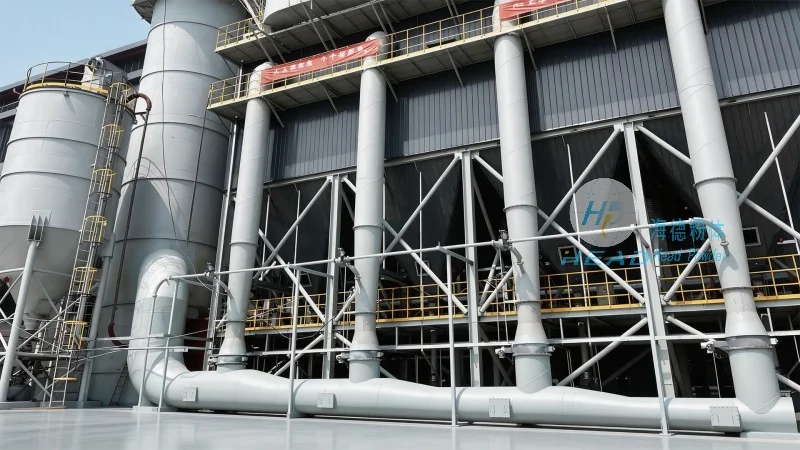
Once the system is ready, the conveying process begins. The compressed air is supplied to the conveying line, creating the necessary pressure differential to move the powder. The powder is drawn from the hopper, passes through the feeder, and is entrained in the air stream. The air velocity is maintained at a level that ensures the powder particles are fully suspended and transported to the receiver. The receiver is positioned to collect the powder as it is discharged from the conveying line.
The operation continues until the desired amount of powder has been transported or the hopper is empty. At this point, the system is shut down in a controlled manner. The compressed air is turned off, and the feeder is stopped to prevent any residual powder from being released. The receiver is then emptied, and the system is prepared for the next cycle. This cycle can be repeated as needed to meet production demands.
Key Components and Their Functions
The effectiveness of the sodium hydroxide powder pneumatic conveying machine relies on the proper functioning of several key components. The material hopper serves as the storage container for the sodium hydroxide powder, providing a consistent supply of material to the feeder. The hopper is typically equipped with a level indicator to monitor the powder level and prevent overfilling.
The rotary airlock feeder is a critical component that meters the powder and introduces it into the conveying line. This component consists of a rotating valve that opens and closes to allow the powder to pass through at a controlled rate. The feeder is designed to prevent the backflow of air and to maintain a consistent feed rate, even when the hopper level changes.
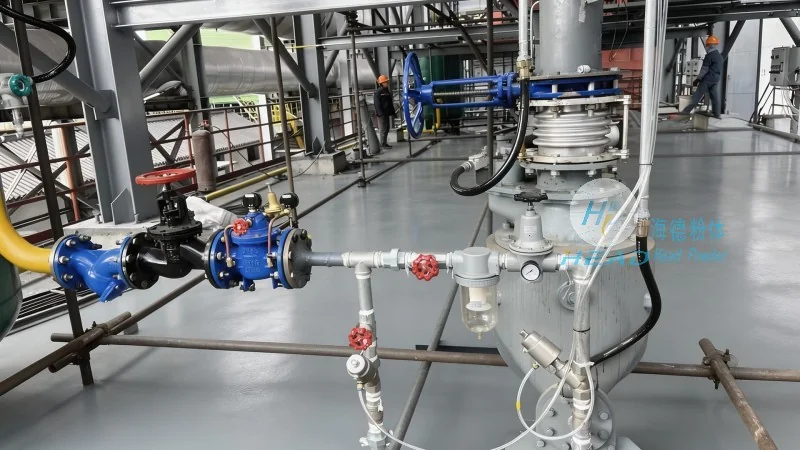
The conveying line is made of materials that are resistant to the corrosive nature of sodium hydroxide, such as stainless steel or special coatings. The line is designed with smooth internal surfaces to minimize friction and pressure losses. Bends and other components are carefully designed to maintain the air velocity and prevent the powder from settling or clogging.
The receiver or discharge unit is the final component of the system, where the conveyed powder is collected. This unit is typically equipped with a discharge valve or hopper to allow the powder to be transferred to the next stage of processing. The receiver may also include a dust collection system to capture any particles that are not fully conveyed.
Advantages of Using a Pneumatic Conveying Machine for Sodium Hydroxide
There are several advantages to using a pneumatic conveying machine for transporting sodium hydroxide powder. One of the primary benefits is the ability to handle the material in a closed system, which minimizes exposure to the environment and reduces the risk of contamination or dust dispersion. This is particularly important for sodium hydroxide, which can be hazardous if inhaled or come into contact with skin.
Another advantage is the high efficiency and speed of the conveying process. The pneumatic system can transport large quantities of powder over long distances with minimal downtime. This is especially beneficial in industrial settings where production rates are high and material handling times need to be optimized.
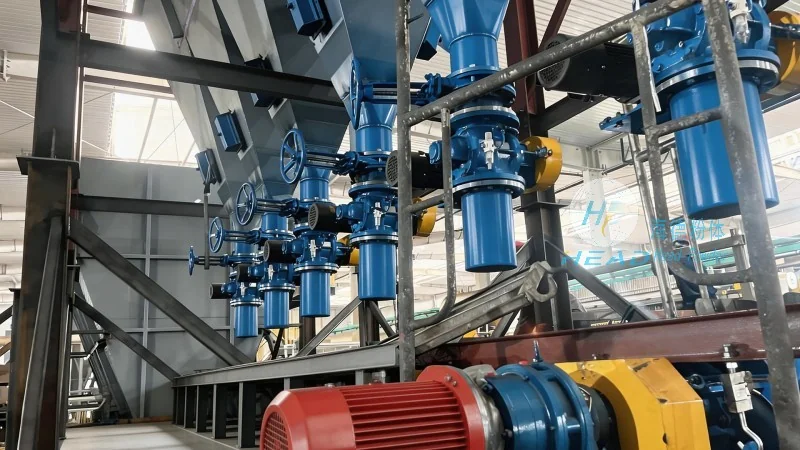
The system also offers flexibility in terms of layout and integration with other equipment. The conveying line can be arranged in various configurations to accommodate different plant layouts and processing requirements. Additionally, the system can be easily scaled up or down to meet changing production demands.
Maintenance and Safety Considerations
Maintaining the sodium hydroxide powder pneumatic conveying machine is essential to ensure its longevity and reliable operation. Regular maintenance tasks include checking the condition of the conveying line and components for signs of wear or corrosion. The rotary airlock feeder and other moving parts should be lubricated and inspected for proper operation.
Safety is a critical consideration when handling sodium hydroxide powder. The machine should be equipped with appropriate safety features, such as pressure relief valves and dust collection systems. Personnel operating the machine should be trained on proper safety procedures and the potential hazards associated with sodium hydroxide.
Shandong HeadPowder Engineering Co., Ltd., located in Shandong, China, specializes in the design and manufacturing of high-quality pneumatic conveying systems for various industrial applications. Their expertise in handling caustic and reactive materials ensures that their machines are built to withstand the challenges of transporting sodium hydroxide powder efficiently and safely.




