When it comes to the efficient transportation of aggregates in construction and industrial applications, understanding the various methods available is crucial for optimizing workflow and ensuring material handling efficiency. As a leading provider in the field, Shandong HeadPowder Engineering Co., Ltd. specializes in delivering reliable solutions tailored to the diverse needs of clients across China. This article explores the common methods used for aggregate conveying, highlighting their applications and benefits.
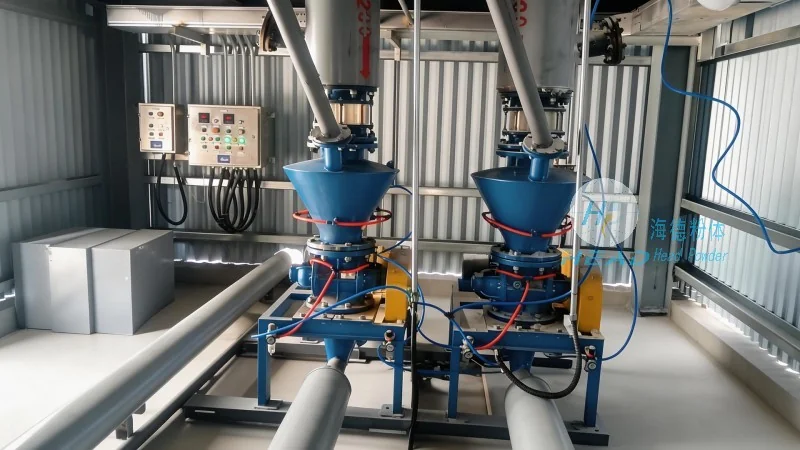
1. Belt Conveyors: The Workhorse of Material Handling
Belt conveyors are among the most widely used systems for transporting aggregates due to their versatility and efficiency. These systems consist of a continuous loop of belt that moves material from one point to another, often over long distances. The design allows for the handling of various aggregate types, including sand, gravel, and crushed stone, with minimal maintenance requirements. Belt conveyors are particularly effective in open-pit mining, construction sites, and processing plants, where large volumes of material need to be moved quickly and reliably. The smooth operation and durability of these systems make them a preferred choice for industries seeking consistent performance and low operational costs.
2. Screw Conveyors: Compact and Versatile Solutions
Screw conveyors, also known as auger conveyors, offer a compact and efficient method for transporting bulk materials, including aggregates. These systems use a rotating screw (auger) to move material along a trough. The design is particularly advantageous for applications where space is limited or where vertical lifting is required. Screw conveyors are commonly used in batching plants, concrete mixing operations, and material storage facilities. They are effective for handling dry or semi-dry aggregates and can be customized to accommodate different material characteristics. The simplicity of the mechanism and the ability to operate in both horizontal and inclined configurations make screw conveyors a flexible solution for aggregate transport.
3. Bucket Elevators: Vertical Material Transport
Bucket elevators are essential for vertical transportation of aggregates, especially in applications where material needs to be lifted to significant heights. These systems consist of a vertical or inclined conveyor with buckets attached to a chain or belt. As the buckets move up the elevator, they carry the aggregate to the desired elevation, where it is discharged. Bucket elevators are widely used in cement plants, feed mills, and processing facilities. They are capable of handling a wide range of aggregate sizes and can operate at high speeds, ensuring rapid material transfer. The enclosed design of bucket elevators helps prevent material spillage and contamination, making them suitable for both indoor and outdoor applications.
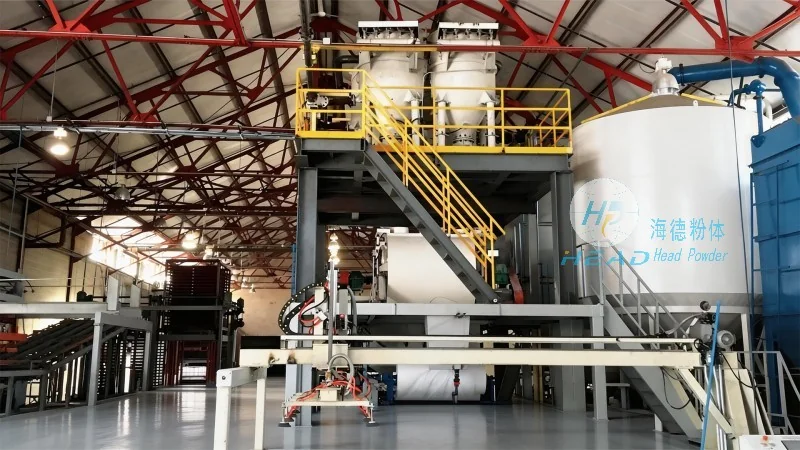
4. Pneumatic Conveying Systems: Air-Driven Transport
Pneumatic conveying systems utilize air pressure to transport aggregates through a network of pipes. This method is particularly effective for handling fine or dusty materials, as it minimizes dust exposure and provides a clean transfer process. The system typically consists of a blower, a hopper for material storage, and a pipeline network. Pneumatic conveyors are commonly used in food processing, chemical industries, and pharmaceutical applications, where hygiene and dust control are critical. While they may require more energy compared to other methods, the ability to transport material over long distances without the need for mechanical components makes them a valuable option for certain aggregate types.
5. Wheel Conveyors: Portable and Flexible Solutions
Wheel conveyors, also known as roller conveyors, provide a portable and flexible method for transporting aggregates in various settings. These systems consist of a series of rollers mounted on a frame, which allows material to be moved along the conveyor path. The design is particularly suitable for applications where material needs to be transferred between different equipment or workstations. Wheel conveyors are commonly used in construction sites, warehouses, and manufacturing facilities. They are easy to install and can be adjusted to accommodate different material sizes and weights. The lightweight and portable nature of these systems makes them ideal for temporary or mobile applications, where flexibility and ease of use are paramount.
6. Vibrating Conveyors: Efficient for Bulk Materials
Vibrating conveyors use vibration to move aggregates along a trough, providing an efficient method for handling bulk materials. These systems consist of a conveyor bed that is connected to a vibration source, typically an electric motor with an unbalanced weight. The vibration causes the material to move forward, allowing for the transport of heavy or sticky aggregates. Vibrating conveyors are commonly used in mining operations, cement production, and recycling facilities. They are effective for handling materials with high moisture content or those that tend to stick together, as the vibration helps prevent material buildup and ensures smooth flow. The low maintenance requirements and ability to operate in various environments make vibrating conveyors a reliable choice for aggregate transport.
7. Hydraulic Conveyors: High-Capacity Transport
Hydraulic conveyors utilize hydraulic power to move aggregates, offering high-capacity transport solutions for large-scale operations. These systems consist of a conveyor belt or trough that is driven by hydraulic cylinders or motors. The design allows for the handling of large volumes of material, making them suitable for applications such as open-pit mining and large-scale construction projects. Hydraulic conveyors are capable of transporting aggregates over long distances with minimal energy consumption and high efficiency. They are often used in conjunction with other material handling equipment, such as loaders and excavators, to create a seamless material flow process. The robust construction and ability to operate in harsh environments make hydraulic conveyors a durable and reliable option for heavy-duty aggregate transport.
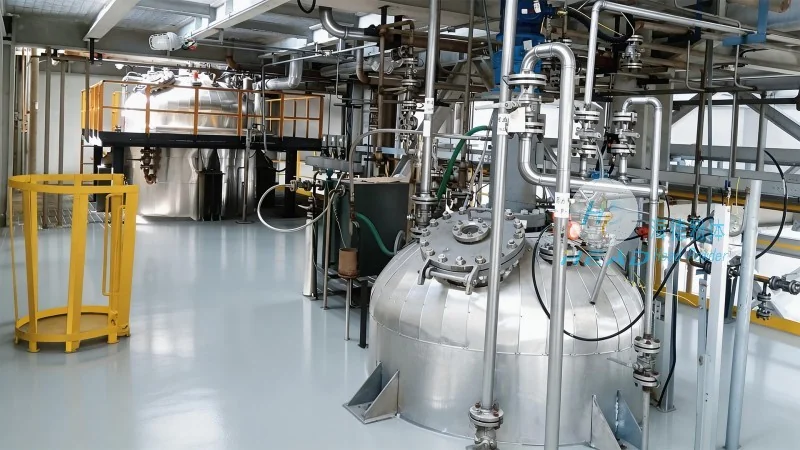
8. Combination Systems: Integrated Material Handling Solutions
In many industrial applications, a single conveying method may not be sufficient to meet all material handling requirements. Combination systems, which integrate multiple types of conveyors, offer a comprehensive solution for transporting aggregates. These systems may include belt conveyors for horizontal transport, bucket elevators for vertical lifting, and screw conveyors for material feeding. The integration of different components allows for a seamless flow of material from the source to the destination, optimizing overall efficiency and reducing downtime. Combination systems are commonly used in large-scale processing plants, where the handling of various aggregate types and volumes is required. They provide flexibility and adaptability, enabling the system to be adjusted based on changing production needs. The use of combination systems ensures that material is transported efficiently and safely, minimizing the risk of material loss or contamination.
Choosing the Right Aggregate Conveying Method
When selecting an aggregate conveying method, several factors must be considered to ensure optimal performance and cost-effectiveness. These factors include the type and size of the aggregate, the distance and elevation changes required, the volume of material to be transported, and the operational environment. Shandong HeadPowder Engineering Co., Ltd. offers expert consultation and customized solutions to help clients choose the most suitable conveying system for their specific needs. By evaluating the material characteristics, operational requirements, and budget constraints, clients can select a system that maximizes efficiency, reduces maintenance costs, and enhances overall productivity. The company's experience in the industry and commitment to quality ensure that clients receive reliable and durable equipment that meets their long-term material handling needs.
Conclusion
Aggregate conveying is a critical aspect of many industrial and construction processes, and the choice of method significantly impacts operational efficiency and cost. From traditional belt conveyors to modern pneumatic and hydraulic systems, the options available today provide versatile solutions for various applications. Shandong HeadPowder Engineering Co., Ltd. stands as a trusted partner in delivering high-quality aggregate conveying systems that meet the diverse needs of clients across China. By leveraging advanced technology and expert engineering, the company ensures that clients can achieve efficient material handling, reduced downtime, and improved productivity. Whether for small-scale projects or large-scale industrial operations, HeadPowder offers reliable solutions that enhance the overall performance of aggregate transport systems.




