High-pressure dense-phase pneumatic conveying systems are advanced industrial equipment designed to transport bulk materials efficiently and reliably. This article provides a detailed overview of the operation process and working principles of such systems, highlighting the technical aspects and practical applications. The information is presented by Shandong HeadPowder Engineering Co., Ltd., a leading manufacturer in the field, based in Shandong, China.
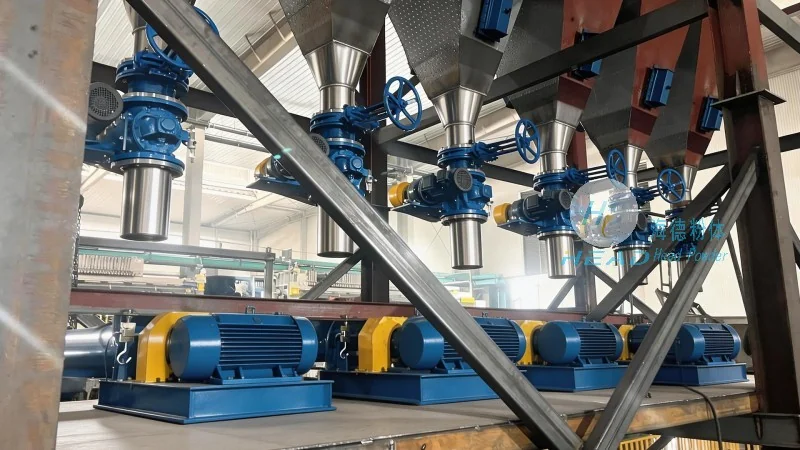
System Overview
High-pressure dense-phase pneumatic conveying systems are engineered to handle a wide range of bulk materials, including powders, granules, and fine particles. These systems operate by using compressed air or other gases to transport materials through a pipeline network. The key advantage of dense-phase conveying is the ability to maintain a high material-to-air ratio, which minimizes material degradation and ensures consistent flow rates. This technology is widely used in industries such as pharmaceuticals, food processing, chemical manufacturing, and mining.
Working Principle
The core working principle of a high-pressure dense-phase pneumatic conveying system involves the creation of a dense mixture of material and gas within the conveying line. The system typically consists of a compressor, a material feeder, a conveying line, and a receiver. The compressor generates high-pressure air, which is then mixed with the material in the feeder. The mixture is then forced through the pipeline at a high velocity, maintaining a dense phase where the material particles are closely packed together. This dense phase reduces the risk of material segregation and ensures smooth transport. The system may also include components like check valves, filters, and pressure regulators to maintain system stability and prevent backflow.
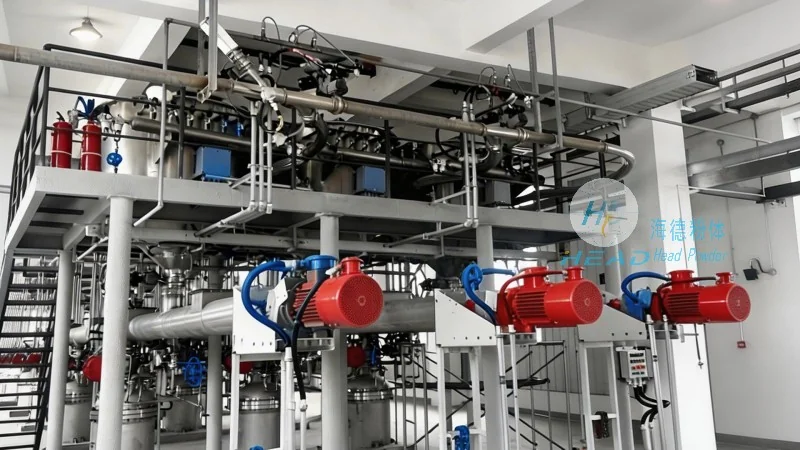
Operation Process
The operation process of a high-pressure dense-phase pneumatic conveying system begins with the preparation of the material. The material is fed into the system via a hopper or a rotary valve, which controls the flow rate. The feeder then mixes the material with the high-pressure air from the compressor. The mixture is then introduced into the conveying line, where it travels to the receiver. The receiver is typically equipped with a pressure relief valve and a filter to separate the material from the air. The material is then discharged from the receiver into the target container. The system may also include a control panel that monitors pressure, flow rate, and other parameters to ensure optimal operation. Regular maintenance, such as cleaning the filters and checking the compressor performance, is essential to maintain the system's efficiency and longevity.
Technical Advantages
High-pressure dense-phase pneumatic conveying systems offer several advantages over traditional conveying methods. First, they minimize material degradation by maintaining a dense phase, which reduces the risk of attrition and agglomeration. Second, they provide consistent flow rates, which improves process control and reduces downtime. Third, they are suitable for transporting materials with high moisture content or abrasive properties. Fourth, they are compact and can be installed in various industrial settings. These advantages make high-pressure dense-phase systems an ideal choice for industries that require reliable and efficient material transport.
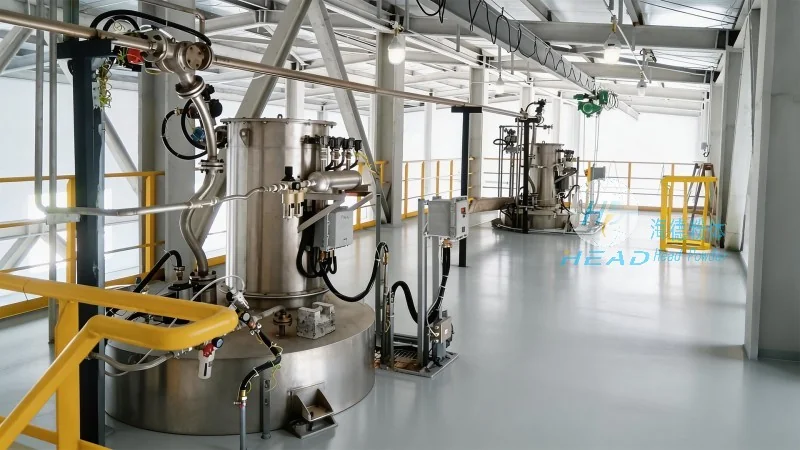
Application Examples
Shandong HeadPowder Engineering Co., Ltd. has successfully implemented high-pressure dense-phase pneumatic conveying systems in various industrial applications. For example, in a pharmaceutical manufacturing plant, the system was used to transport active pharmaceutical ingredients (APIs) with high purity requirements. The system maintained a dense phase, ensuring that the material was not exposed to air and preventing contamination. In a food processing facility, the system was used to transport powdered milk and other food products, maintaining the product's quality and freshness. These applications demonstrate the versatility and effectiveness of high-pressure dense-phase systems in different industries.
Conclusion
High-pressure dense-phase pneumatic conveying systems are a reliable and efficient solution for bulk material transport. The operation process involves the controlled mixing of material and high-pressure air, followed by the transport through a pipeline network. The working principle ensures a dense phase, which minimizes material degradation and maintains consistent flow rates. Shandong HeadPowder Engineering Co., Ltd. specializes in designing and manufacturing such systems, providing customized solutions for various industrial needs. With proper maintenance and operation, these systems can provide long-term performance and cost savings for industrial applications.




