When it comes to managing and transporting sintering dust and fly ash in industrial settings, selecting the right conveying method is crucial for efficiency, safety, and environmental compliance. Sintering processes, particularly in steel and metallurgical industries, generate large volumes of fine particulate matter that require effective collection and transport. This article explores the common methods used for sintering dust and fly ash conveyance, highlighting key considerations and applications.
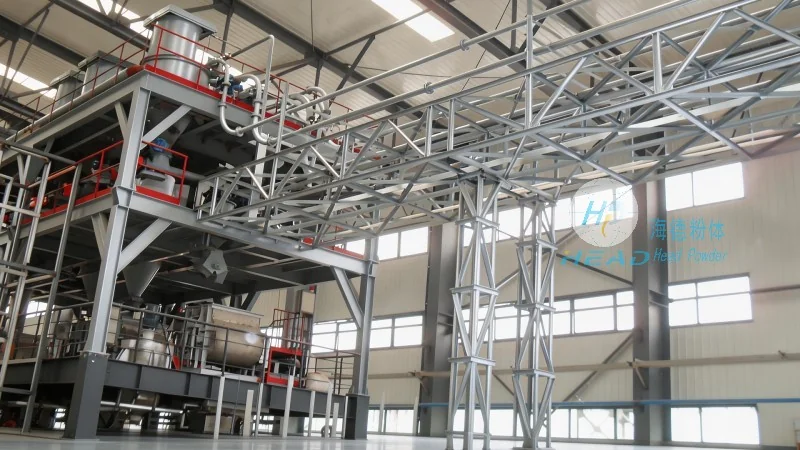
1. Pneumatic Conveying Systems
Pneumatic conveying is a widely adopted method for transporting sintering dust and fly ash due to its ability to handle fine powders and provide enclosed, dust-free transport. This system utilizes air pressure or vacuum to move material through a pipeline. There are two main types: pressure and vacuum systems. Pressure systems use compressed air to push material forward, while vacuum systems create a negative pressure to draw material into the line. Pneumatic conveyors are particularly effective for long-distance transport and can be integrated with dust collection systems to maintain air quality. The technology is robust and can handle abrasive materials, making it suitable for high-volume applications in sintering plants.
2. Belt Conveyors
Belt conveyors are another common solution for sintering dust and fly ash transport, especially for bulk material handling over short to medium distances. These systems consist of a continuous belt looped over rollers, with material loaded at one end and discharged at the other. Belt conveyors are known for their high capacity and reliability, making them ideal for transporting large quantities of sintering byproducts. They can be designed with special materials to resist abrasion and corrosion, which is essential when dealing with high-temperature or chemically active dust. Additionally, belt conveyors can be equipped with dust suppression features to minimize airborne emissions during operation.
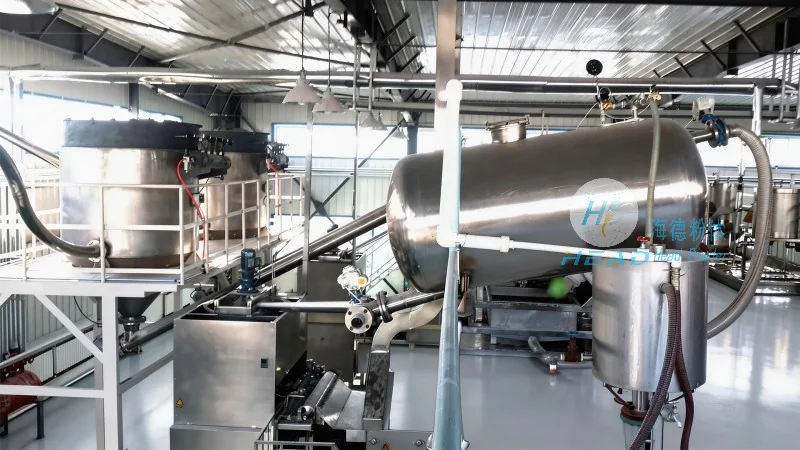
3. Screw Conveyors
Screw conveyors, also known as auger conveyors, are used for transporting sintering dust and fly ash in horizontal or slightly inclined applications. These systems feature a rotating screw inside a tube, which moves material along the conveyor. Screw conveyors are compact and can be installed in confined spaces, making them suitable for areas with limited floor space. They are effective for handling dry, free-flowing materials and can be integrated with feeding and discharging mechanisms to streamline the material flow. However, screw conveyors may not be as efficient for very fine or cohesive dusts, as they can experience blockages if the material is too sticky or contains high moisture content.
4. Hydraulic Conveying
Hydraulic conveying systems use water or other liquids to transport sintering dust and fly ash through pipelines. This method is particularly useful for handling wet or slurry-like materials, where other conveying systems may struggle. The material is suspended in the liquid and carried to the destination. Hydraulic conveyors are effective for long-distance transport and can handle high volumes of material. However, they require additional equipment for water treatment and recycling, as the liquid must be managed to prevent environmental contamination. This method is less common in sintering plants but is used in specific applications where the dust is mixed with water during processing.
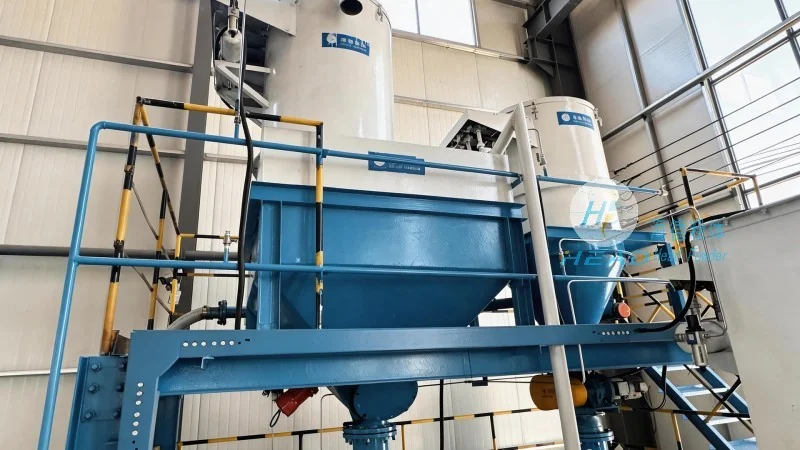
5. Combination Systems
In many sintering facilities, a combination of conveying methods is employed to optimize material transport. For example, a pneumatic system might be used for short-distance transport from the dust collector to a storage silo, followed by a belt conveyor for longer transport to the disposal or recycling area. This integrated approach ensures efficient material flow while maintaining safety and environmental standards. The choice of combination system depends on the plant layout, material characteristics, and operational requirements. By combining different technologies, sintering plants can achieve higher overall efficiency and reduce downtime due to equipment failures.
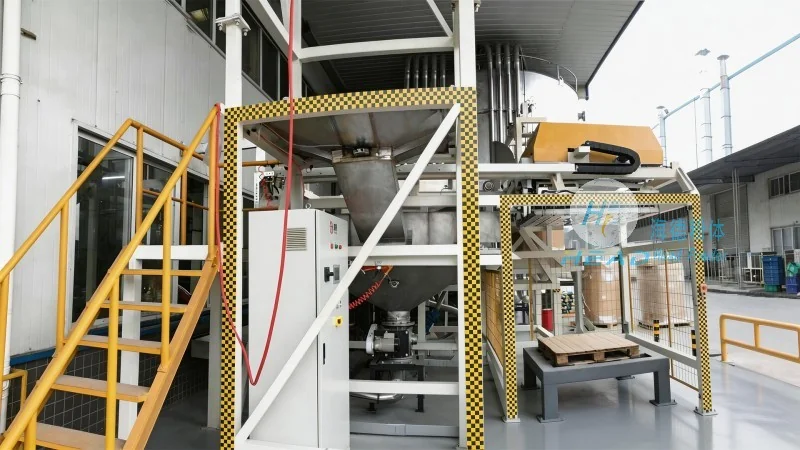
Key Considerations for Selecting a Conveying Method
When selecting a conveying method for sintering dust and fly ash, several factors must be considered to ensure optimal performance and cost-effectiveness. First, the material properties, such as particle size, moisture content, and abrasiveness, play a critical role. Fine, dry dusts may be better suited for pneumatic or screw conveyors, while bulkier or wet materials might require belt or hydraulic systems. Second, the distance and layout of the plant influence the choice of system. Long-distance transport often favors pneumatic or hydraulic systems, while short-distance transport can use belt or screw conveyors. Third, safety and environmental regulations must be adhered to. Conveying systems must be designed to minimize dust emissions and prevent material spillage, which can lead to health hazards and environmental issues. Finally, the cost of installation, operation, and maintenance should be evaluated. While some systems may have higher upfront costs, they may offer long-term savings through reduced downtime and lower material loss.
Conclusion
Choosing the right conveying method for sintering dust and fly ash is essential for the smooth operation of sintering plants. Each method has its advantages and limitations, and the optimal solution depends on the specific needs of the facility. Pneumatic conveyors offer enclosed, dust-free transport, while belt conveyors provide high capacity and reliability. Screw conveyors are compact and suitable for horizontal transport, and hydraulic systems are effective for wet materials. By considering material properties, plant layout, safety requirements, and cost factors, sintering plants can select the most appropriate conveying system to enhance efficiency and compliance. As technology advances, new materials and designs continue to improve the performance of conveying systems, making it easier to manage sintering byproducts effectively.




