For industrial facilities that employ flue gas desulfurization (FGD) to reduce sulfur dioxide emissions, the efficient handling and disposal of the resulting desulfurization ash is a critical operational challenge. A dry flue gas desulfurization ash pneumatic conveying system offers a reliable solution to this problem, enabling the safe and effective transport of ash from the FGD process to disposal or recycling facilities. This article provides an in-depth look at the operation process and working principle of such a system, highlighting the key components, operational steps, and technical advantages that make it an essential part of modern industrial waste management.
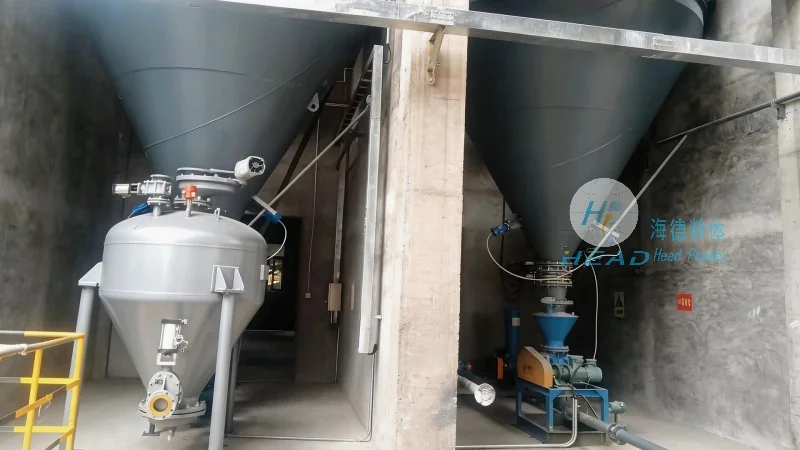
System Overview and Key Components
The dry flue gas desulfurization ash pneumatic conveying system is designed to handle the fine, dry ash produced by wet or dry FGD processes. The system typically consists of several core components that work in tandem to ensure efficient material transport. These components include a ash hopper or silo for storage, a rotary valve or feeder to control the flow of ash, a conveying pipeline system (often with multiple branches), a positive displacement blower or air compressor to generate the necessary air pressure, and a receiver or silo at the destination for ash deposition. The system may also incorporate dust collection equipment, such as cyclones or bag filters, to maintain air quality and comply with environmental regulations.
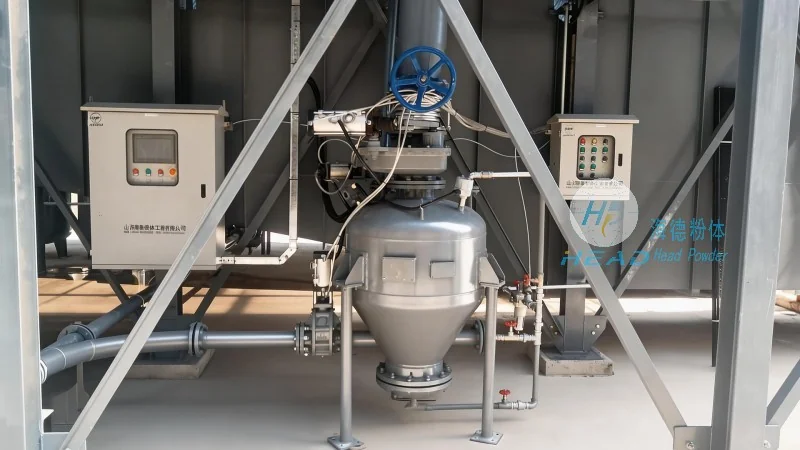
Working Principle of the Pneumatic Conveying System
The fundamental principle behind pneumatic conveying is the use of air or gas to transport solid particles through a pipeline. In the context of dry FGD ash, the system operates on a positive pressure or negative pressure (or a combination of both) basis. The positive displacement blower generates a high-pressure air stream that is introduced into the conveying pipeline. As ash is fed from the hopper into the pipeline via the rotary valve, the air stream lifts and propels the ash particles forward. The air and ash mixture travels through the pipeline, with the ash particles suspended in the air stream. At the destination, the air is separated from the ash using a receiver or cyclone, allowing the ash to be deposited while the air is either recirculated or vented through a dust collection system.
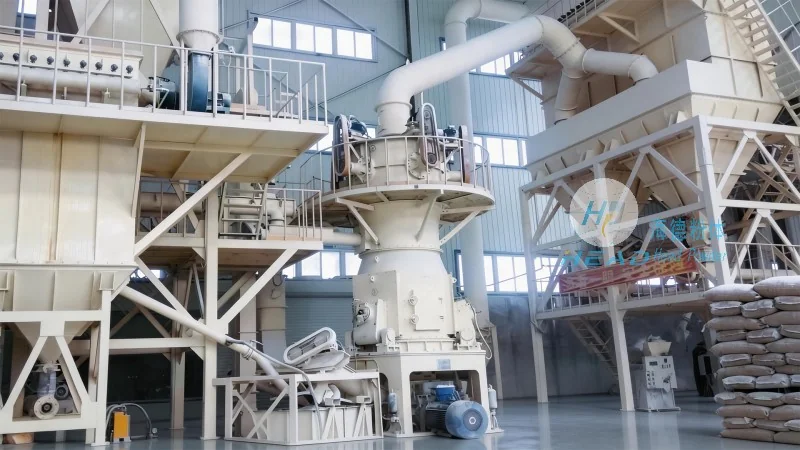
Operation Process: Step-by-Step
The operation of the dry flue gas desulfurization ash pneumatic conveying system follows a systematic sequence of steps to ensure consistent and reliable performance. The process begins with the loading of ash into the storage hopper. A rotary valve or feeder then regulates the flow of ash from the hopper into the conveying pipeline. The positive displacement blower starts and increases the air pressure to the required level, creating the air stream that will transport the ash. As ash is continuously fed into the pipeline, it is carried by the air stream to the destination receiver. At the receiving end, the air and ash mixture enters a cyclone or other separation device, where the air is separated from the ash. The ash falls into the receiver, while the air passes through a dust filter before being either recirculated back to the blower or released to the atmosphere. The system may include sensors and controls to monitor pressure, flow rates, and ash levels, ensuring that the operation remains within optimal parameters and preventing issues such as blockages or overloading.
Technical Advantages and Benefits
Implementing a dry flue gas desulfurization ash pneumatic conveying system offers several key advantages for industrial facilities. First, it provides a dust-free and enclosed transport method, which minimizes environmental contamination and improves workplace safety. Unlike traditional methods such as truck transport or belt conveyors, pneumatic conveying eliminates the need for manual handling of ash, reducing the risk of respiratory issues and other health hazards associated with ash exposure. Second, the system is highly efficient in terms of energy consumption and space utilization. The compact design of the conveying pipeline and the ability to transport ash over long distances with minimal energy input make it a cost-effective solution. Third, the system is flexible and adaptable, allowing for multiple destination points and the integration of additional processing steps, such as ash dewatering or recycling. Finally, the system operates with low maintenance requirements, as the components are designed to withstand the abrasive nature of ash and the corrosive effects of moisture, ensuring long-term reliability and reduced downtime.
Conclusion
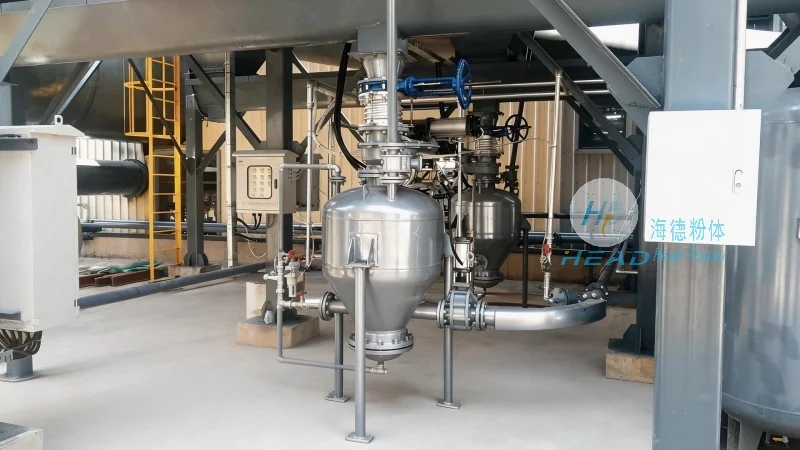
The dry flue gas desulfurization ash pneumatic conveying system is a critical component of modern industrial waste management, offering an efficient, safe, and environmentally friendly solution for handling desulfurization ash. By understanding the operation process and working principle of this system, industrial facilities can optimize their ash handling operations, reduce operational costs, and comply with environmental regulations. As a leading provider in this field, Shandong HeadPowder Engineering Co., Ltd. specializes in designing and manufacturing such systems, leveraging years of experience to deliver reliable and high-performance solutions tailored to the specific needs of clients. With a focus on quality and innovation, HeadPowder continues to advance the technology of pneumatic conveying for industrial applications, ensuring that facilities can effectively manage their desulfurization ash while maintaining operational efficiency and environmental responsibility.




