HeadPowder, a leading engineering company based in Shandong, China, specializes in the design, manufacturing, and installation of advanced pneumatic conveying systems for various industrial applications. This article provides a detailed overview of the operation process and working principle of a PVC resin powder pneumatic conveying system, highlighting the key components, operational steps, and technical aspects that ensure efficient and reliable material transport.
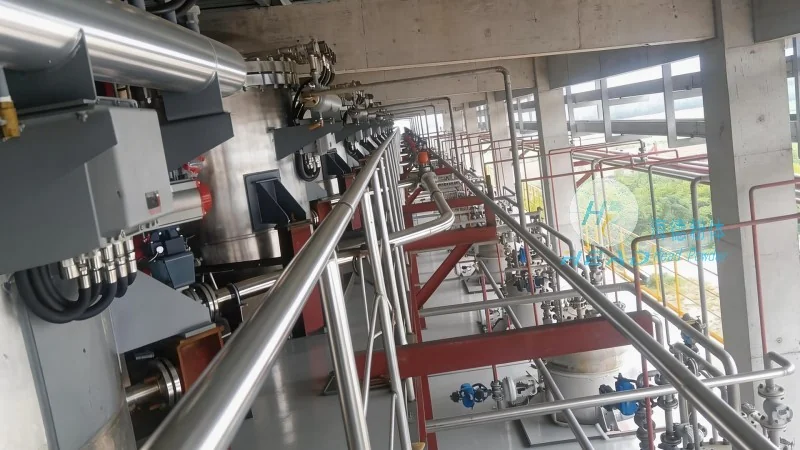
Company Profile and Background
Shandong HeadPowder Engineering Co., Ltd. is a professional enterprise dedicated to providing high-quality pneumatic conveying solutions. With a strong focus on innovation and customer satisfaction, the company has established itself as a trusted partner in the industry. HeadPowder's headquarters is located in Shandong, China, where the company's team of experienced engineers and technicians work tirelessly to develop cutting-edge systems tailored to meet the specific needs of clients across diverse sectors, including chemical, pharmaceutical, food, and plastic processing industries.
PVC Resin Powder Pneumatic Conveying System Overview
A PVC resin powder pneumatic conveying system is a specialized equipment used to transport PVC resin powder through a pipeline using compressed air or other gas as the conveying medium. This system is widely employed in the plastic manufacturing industry due to its ability to handle fine powders efficiently while maintaining product integrity. The system typically consists of several key components, including a hopper, feeder, air compressor, conveying line, and control system, all working in tandem to ensure smooth and continuous material transport.
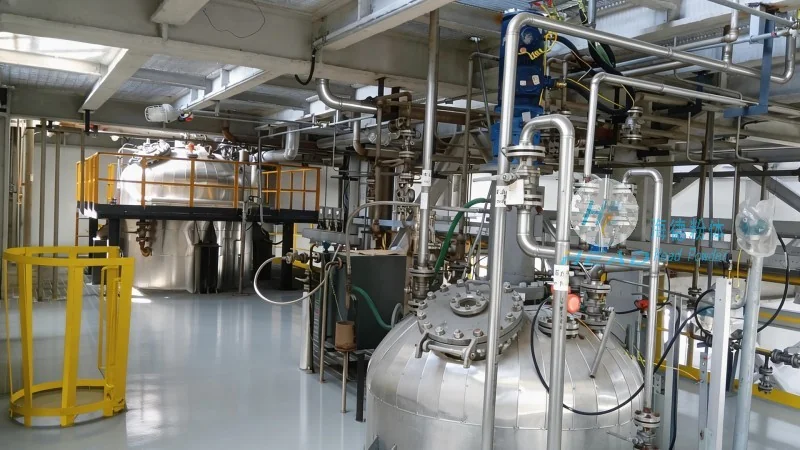
Working Principle of the Pneumatic Conveying System
The working principle of a PVC resin powder pneumatic conveying system is based on the fundamental concept of fluidization and pneumatic transport. The process begins with the PVC resin powder being stored in a hopper, from which it is fed into the conveying line via a feeder. The air compressor then generates compressed air, which is introduced into the conveying line at a controlled pressure and flow rate. As the compressed air flows through the line, it creates a low-pressure zone that draws the PVC resin powder particles into the air stream, forming a suspension. This suspension is then transported through the pipeline to the destination point, such as a storage silo or processing unit. The system utilizes a combination of pressure and velocity to ensure the efficient movement of the powder without causing excessive wear or degradation of the material.
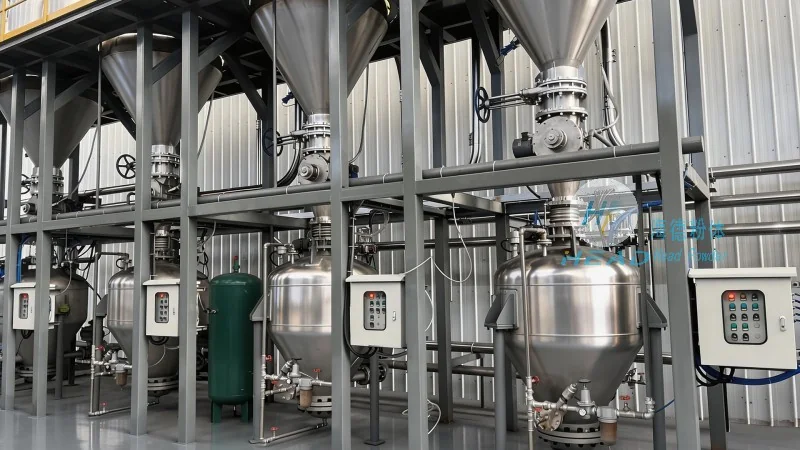
Operation Process of the System
The operation process of a PVC resin powder pneumatic conveying system involves several sequential steps that are carefully coordinated to maintain optimal performance. The process starts with the preparation of the system, which includes checking the air compressor, ensuring the hopper is filled with the required amount of PVC resin powder, and verifying the integrity of the conveying line. Once the system is ready, the air compressor is started, and the feeder is activated to begin the material feeding process. The compressed air then flows through the line, creating the necessary pressure differential to transport the powder. The system continuously monitors the flow rate and pressure, adjusting the air supply as needed to maintain a stable and consistent conveying rate. The process concludes when the target amount of PVC resin powder has been delivered to the destination, after which the system is shut down and the line is cleared of any residual material.
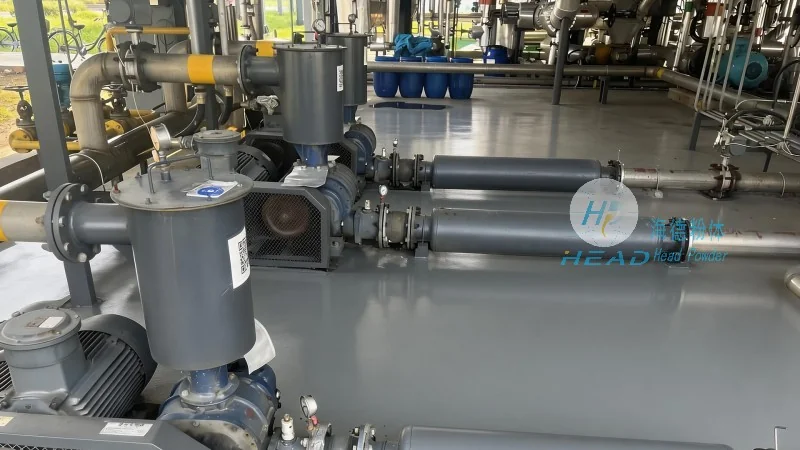
Key Technical Considerations and Advantages
Several technical considerations are crucial for the successful operation of a PVC resin powder pneumatic conveying system. These include the selection of appropriate air compressor capacity, the design of the conveying line to minimize pressure drop and particle segregation, and the use of suitable materials for the hopper and feeder to prevent material buildup and corrosion. The system offers several advantages over traditional mechanical conveying methods, such as reduced labor costs, lower maintenance requirements, and improved product quality due to the minimal exposure of the powder to external contaminants. Additionally, the pneumatic conveying system provides flexibility in terms of material handling, allowing for vertical, horizontal, or mixed-direction transport, and can be easily integrated with other processing equipment.
Conclusion
In conclusion, the PVC resin powder pneumatic conveying system developed by Shandong HeadPowder Engineering Co., Ltd. represents a highly efficient and reliable solution for the transport of PVC resin powder in industrial settings. By understanding the working principle and operation process of this system, users can optimize its performance and ensure consistent material handling. The system's design and implementation reflect the company's commitment to quality and innovation, making it an ideal choice for businesses seeking to enhance their material transport capabilities while maintaining product integrity and operational efficiency.




