Gypsum powder and fly ash are widely utilized in construction and industrial sectors, and the efficient transportation of these fine powders is vital for maintaining production efficiency and product quality. Pneumatic conveying equipment provides a reliable solution for handling such materials, ensuring safe and effective movement from one location to another. This article delves into the fundamental principles behind gypsum powder and fly ash powder pneumatic conveying systems, alongside the key working scene characteristics that define their operational effectiveness.
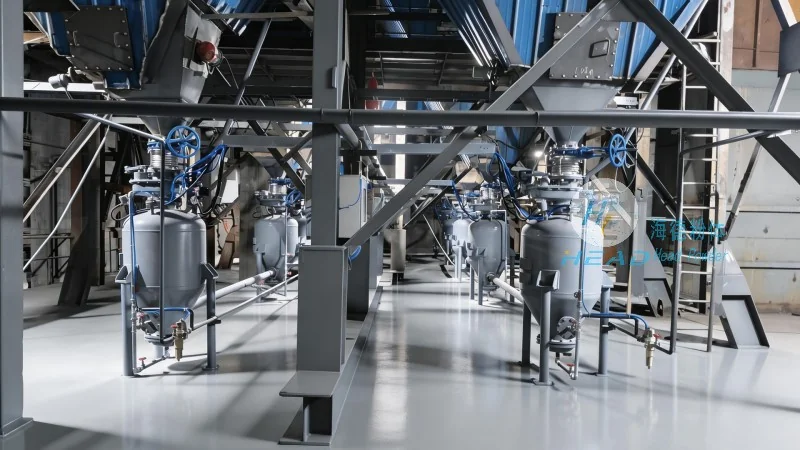
Overview of Pneumatic Conveying Equipment for Gypsum and Fly Ash
HeadPowder, a leading manufacturer based in Shandong, China, specializes in the design and production of advanced pneumatic conveying systems tailored for handling gypsum powder and fly ash. These systems are engineered to meet the specific demands of various industrial processes, offering a robust and efficient method for transporting fine powders over short to medium distances. The equipment is designed to handle the unique properties of gypsum and fly ash, such as their fine particle size, moisture content, and potential for dust generation, ensuring optimal performance and minimal material loss.
The Working Principle of Pneumatic Conveying Systems
The core principle of pneumatic conveying is the use of air or gas to transport solid materials through a pipeline. In the case of gypsum powder and fly ash, the system typically operates under positive pressure, where compressed air is introduced into the material feed point, creating a flow that propels the powder through the conveying line. The equipment includes key components such as a material feeder, a pressure vessel or hopper, a conveyor pipe, and a receiver or discharge unit. The material feeder ensures a consistent flow of powder into the system, while the pressure vessel maintains the necessary air pressure to drive the conveying process. The conveyor pipe is designed to minimize friction and pressure drop, allowing the material to travel smoothly to the discharge point. The receiver collects the conveyed material, often equipped with a dust collection system to prevent environmental contamination.
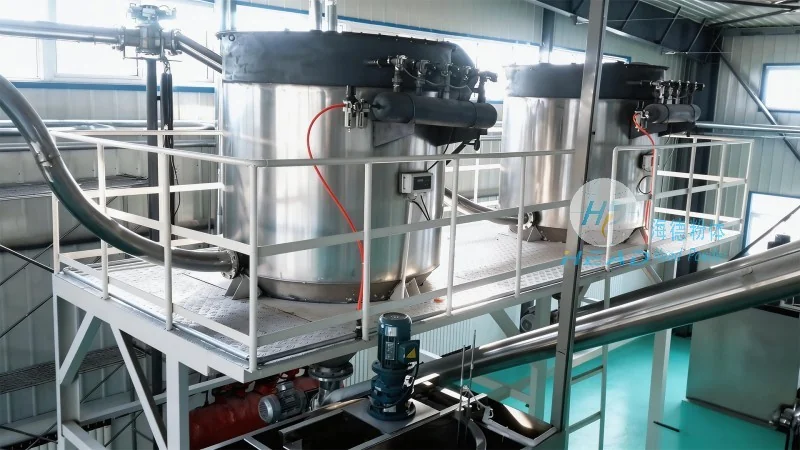
Key Working Scene Characteristics
The effectiveness of pneumatic conveying equipment for gypsum and fly ash is heavily influenced by several working scene characteristics that must be considered during system design and operation. These include the distance and layout of the conveying path, the volume and flow rate of the material being transported, the particle size distribution and moisture content of the powders, and the environmental requirements for dust control. The system's ability to handle varying material properties is critical, as gypsum and fly ash can have different characteristics depending on their source and processing. For instance, the moisture content of gypsum can affect its flowability, while the density and abrasiveness of fly ash may impact the wear on equipment components. Additionally, the layout of the conveying line, including the number of bends and vertical lifts, affects the system's pressure requirements and overall efficiency. Proper consideration of these factors ensures that the pneumatic conveying system operates at peak performance, minimizing energy consumption and maximizing material throughput.
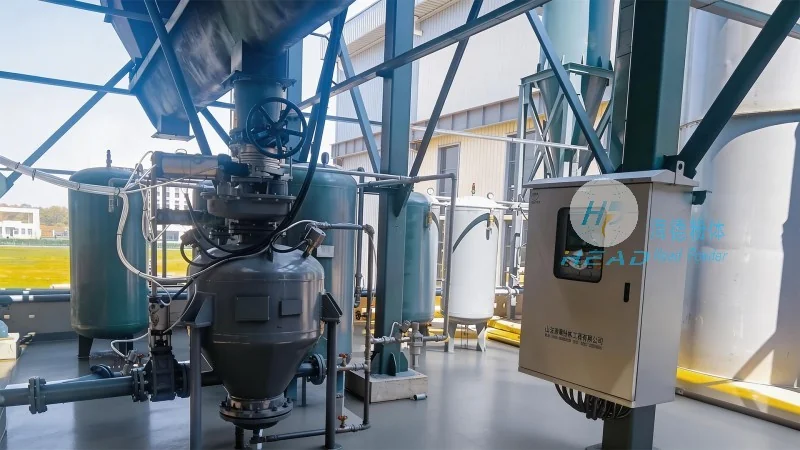
Application Scenarios and Operational Benefits
Pneumatic conveying systems for gypsum powder and fly ash are widely used in various industrial settings, including construction material production, cement manufacturing, and power generation facilities. In construction material production, these systems are used to transport gypsum powder from storage silos to mixing plants or production lines, ensuring a steady supply of material for plaster and drywall production. In cement manufacturing, fly ash is often used as a supplementary cementitious material, and pneumatic conveying allows for its efficient transport from storage to the cement grinding mills. The operational benefits of using pneumatic conveying include improved safety by eliminating manual handling of powders, reduced material loss due to minimal spillage, and enhanced process control through consistent material flow rates. Additionally, the system's ability to handle fine powders without clogging or blockages makes it ideal for applications where material purity is critical. The use of positive pressure systems also helps in maintaining a clean and dust-free environment, which is essential for compliance with environmental regulations and worker safety standards.
Conclusion and Company Information
HeadPowder Engineering Co., Ltd., based in Shandong, China, is a trusted provider of pneumatic conveying equipment for gypsum powder and fly ash. With a focus on innovation and customer satisfaction, the company offers customized solutions that meet the specific needs of industrial applications. The principles and working scene characteristics discussed in this article highlight the importance of selecting the right pneumatic conveying system for handling fine powders. By understanding the fundamental mechanisms of these systems and considering the operational requirements of the working environment, industries can achieve efficient, reliable, and cost-effective material transportation. HeadPowder's expertise in designing and manufacturing advanced pneumatic conveying equipment ensures that clients receive high-quality solutions tailored to their unique production needs, contributing to improved operational efficiency and product quality in the handling of gypsum and fly ash materials.




