When it comes to the efficient handling and transportation of diatomite, selecting the right method is crucial for optimizing industrial processes. Diatomite, a natural sedimentary rock composed of fossilized diatoms, is widely used in various applications such as filtration, absorbent materials, and construction. The choice of transportation method depends on factors like the material's characteristics, required throughput, and the distance to be covered. In this article, we will explore the common methods used for diatomite transportation, providing insights into their advantages and applications.
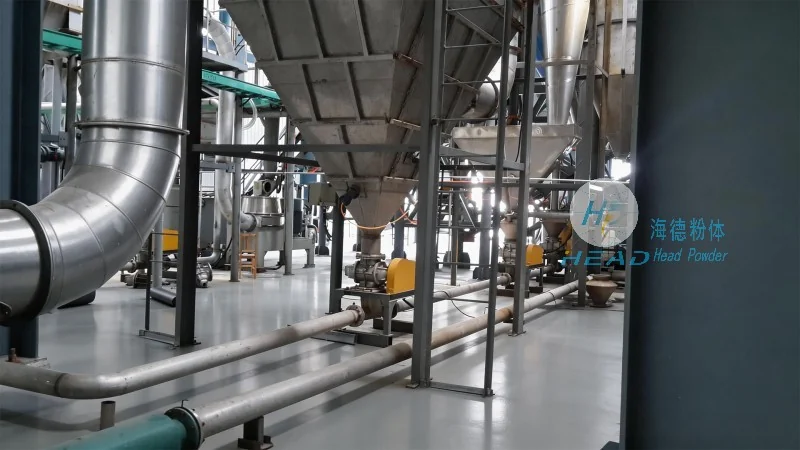
1. Pipeline Transportation with Pneumatic Conveying Systems
Pneumatic conveying systems are a popular choice for transporting diatomite over moderate distances. This method involves using air pressure to move the diatomite particles through a pipeline. The system typically consists of a hopper, a rotary valve, a conveyor line, and a receiver. The diatomite is fed into the hopper, and as air is introduced, it creates a slurry or a dilute flow that carries the particles through the pipeline. Pneumatic conveying offers several benefits, including the ability to transport diatomite in a closed system, reducing dust emissions and contamination. It is particularly suitable for applications where dust control is critical, such as in food processing or pharmaceutical industries. The efficiency of pneumatic conveying can be enhanced by using different types of air flow, such as positive pressure or negative pressure systems, depending on the specific requirements of the operation.
2. Screw Conveyors for Bulk Diatomite Handling
Screw conveyors, also known as auger conveyors, are widely used for the horizontal or slight inclined transport of diatomite. These systems consist of a rotating screw inside a cylindrical housing. The diatomite is fed into one end of the conveyor, and as the screw rotates, it pushes the material forward. Screw conveyors are known for their simplicity and reliability, making them an ideal choice for many industrial applications. They are particularly effective for transporting diatomite in bulk quantities, as they can handle large volumes with minimal maintenance. The design of the screw, including the pitch and diameter, can be customized to suit the specific characteristics of the diatomite, ensuring optimal performance. Screw conveyors are often used in conjunction with other equipment, such as hoppers and storage silos, to form a complete material handling system.
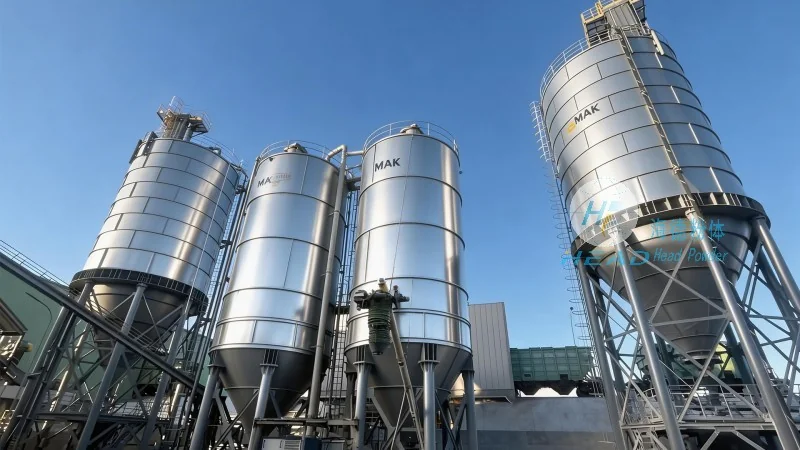
3. Belt Conveyors for Long-Distance Diatomite Transport
Belt conveyors are commonly employed for transporting diatomite over longer distances, especially in mining and processing facilities. These systems consist of a continuous belt that moves over rollers or idlers, carrying the diatomite from one location to another. Belt conveyors are capable of handling large volumes of material and can be extended to cover significant distances. They are particularly suitable for transporting diatomite from storage silos to processing plants or for moving it between different stages of the production line. The design of the belt conveyor, including the type of belt material and the speed of the system, can be tailored to the specific requirements of the diatomite being transported. Belt conveyors are known for their high efficiency and low maintenance costs, making them a cost-effective solution for long-distance diatomite transport.
4. Hydraulic Conveying for High-Volume Diatomite Handling
Hydraulic conveying systems use water or a water-based slurry to transport diatomite, making them suitable for high-volume applications. The diatomite is mixed with water to form a slurry, which is then pumped through a pipeline. This method is particularly effective for transporting diatomite over long distances, as it can handle large volumes with minimal pressure loss. Hydraulic conveying systems are often used in mining operations where the diatomite is extracted from underground and needs to be transported to processing facilities. The system typically includes a slurry pump, a pipeline, and a settling tank for separating the diatomite from the water. Hydraulic conveying offers the advantage of being able to transport diatomite in a closed system, reducing environmental impact and ensuring compliance with regulations. However, it requires careful management of the water usage and disposal to maintain efficiency and sustainability.
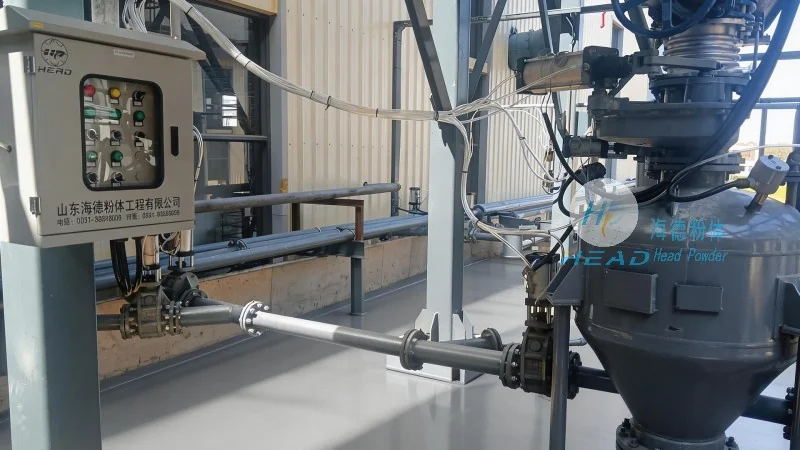
5. Manual and Mechanical Handling for Small-Scale Diatomite Transport
For small-scale operations or in situations where the volume of diatomite is low, manual and mechanical handling methods may be employed. These methods include the use of buckets, shovels, or small mechanical devices such as forklifts or pallet jacks. Manual handling is suitable for short distances and small quantities, while mechanical equipment can handle larger volumes with greater efficiency. These methods are often used in laboratory settings or for small-scale production facilities where the diatomite is used in limited quantities. While less common in large-scale industrial applications, manual and mechanical handling methods remain important for certain niche applications. The choice of manual or mechanical handling depends on factors such as the available resources, the scale of the operation, and the specific requirements of the diatomite being transported.
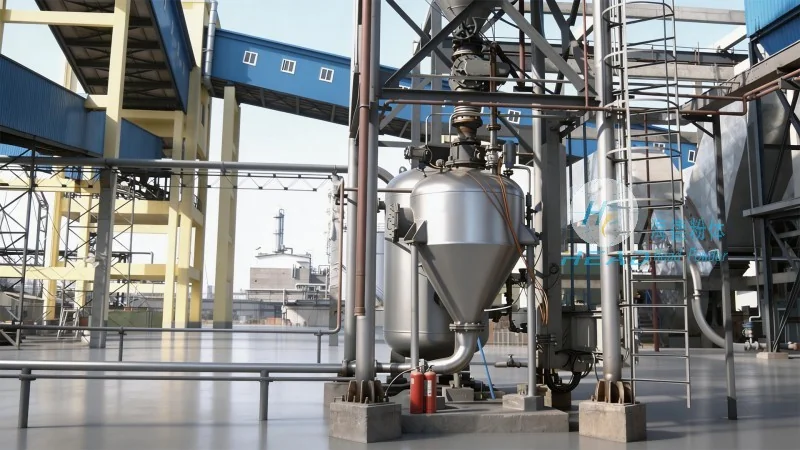
6. Factors to Consider When Choosing a Diatomite Transportation Method
When selecting a diatomite transportation method, several factors need to be considered to ensure optimal performance and efficiency. The first factor is the material's characteristics, including its particle size, moisture content, and density. These characteristics affect the choice of equipment and the design of the transportation system. The second factor is the required throughput, which determines the capacity of the system and the type of equipment needed. The third factor is the distance to be covered, as different methods are suitable for different distances. The fourth factor is the environmental considerations, such as dust control and emissions, which may influence the choice of a closed system like pneumatic conveying. Additionally, the cost of the equipment, maintenance requirements, and operational complexity should be evaluated to ensure the selected method is cost-effective and sustainable. By carefully considering these factors, industrial operators can choose the most appropriate diatomite transportation method for their specific needs.
Conclusion
In conclusion, the choice of diatomite transportation method plays a critical role in the efficiency and effectiveness of industrial processes. From pneumatic conveying systems to belt conveyors, each method offers unique advantages and is suitable for different applications. The selection of the right method depends on various factors, including the material's characteristics, required throughput, and environmental considerations. Companies like Shandong HeadPowder Engineering Co., Ltd. (headpowder), based in China, specialize in providing customized material handling solutions for diatomite and other industrial materials. Their expertise in designing and implementing efficient transportation systems ensures that clients can optimize their operations and meet their production goals. Whether it's for bulk handling or long-distance transport, the right diatomite transportation method can significantly improve productivity and reduce operational costs.




