Low-pressure pneumatic conveying systems represent a sophisticated method for transporting bulk materials through a pipeline using air as the primary medium. This technology is widely utilized across various industries due to its efficiency, flexibility, and ability to handle diverse material types. The fundamental principle behind low-pressure pneumatic conveying involves creating a pressure differential between the inlet and outlet of the system, which allows air to flow and carry the material particles along the pipeline. By understanding the core mechanisms and practical applications, users can better appreciate the advantages and operational nuances of these systems.
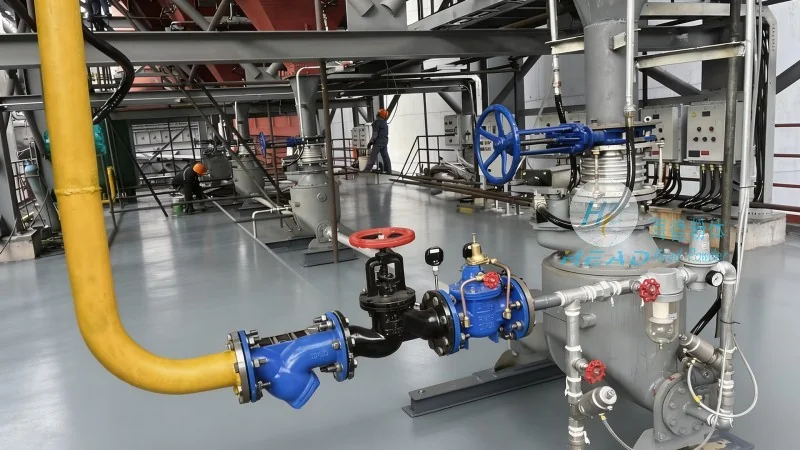
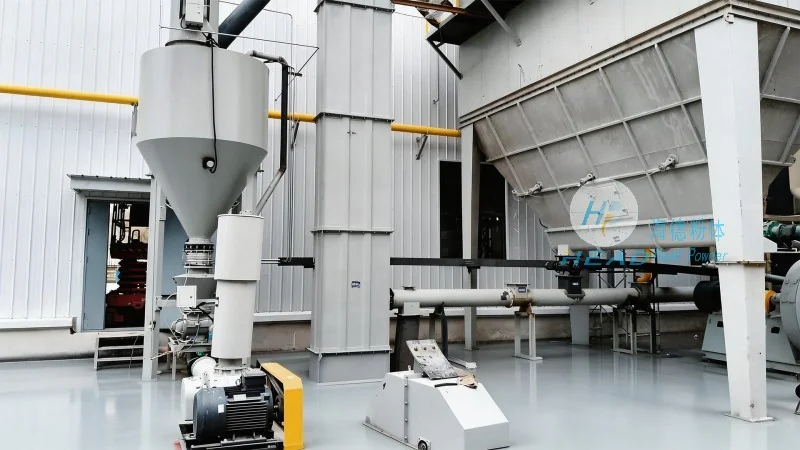
Understanding the Core Principle of Low-Pressure Pneumatic Conveying
The operation of a low-pressure pneumatic conveying system is based on the principle of fluid dynamics and particle suspension. In this system, air is introduced into the material feed point at a relatively low pressure (typically ranging from 0.5 to 2 bar). The air then flows through the pipeline, creating a flow that lifts and transports the material particles. The key to effective operation lies in maintaining a consistent air velocity that is sufficient to keep the particles suspended without causing excessive wear or energy consumption. The system typically consists of a feed hopper, a rotary valve or feeder, a pipeline network, and a receiver or discharge point. The air is often supplied by a blower or fan, which provides the necessary pressure and flow rate to move the material. The design of the pipeline, including the diameter and length, is critical as it directly impacts the system's efficiency and the pressure drop across the system. Proper sizing ensures that the air velocity remains within the optimal range for material transport, preventing issues such as clogging or material degradation.
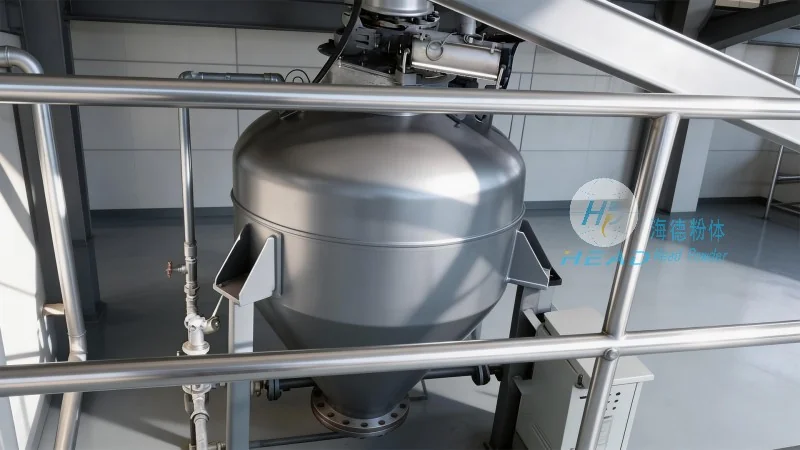
Key Components and Their Functions in Low-Pressure Pneumatic Conveying Systems
Several essential components work in tandem to ensure the smooth operation of a low-pressure pneumatic conveying system. The feed hopper is responsible for storing the bulk material and providing a consistent feed to the system. It often includes a hopper design that minimizes material bridging or arching, which can impede the flow. The rotary valve or feeder is a critical component that controls the rate at which material is introduced into the pipeline. This component ensures that the material is fed at a controlled rate, preventing overloading and maintaining the desired air-to-material ratio. The pipeline network connects the feed point to the discharge point and is typically made of materials such as stainless steel or plastic, depending on the material being conveyed and the operating conditions. The pipeline diameter is chosen based on the material's characteristics, such as particle size, density, and flowability, to ensure efficient transport. The receiver or discharge point is where the material is collected after being conveyed through the pipeline. It may include a hopper or a storage bin to accommodate the received material. Additionally, the system may include accessories such as filters, silencers, and pressure relief valves to manage air quality, noise, and pressure fluctuations. These components collectively contribute to the overall performance and reliability of the low-pressure pneumatic conveying system.
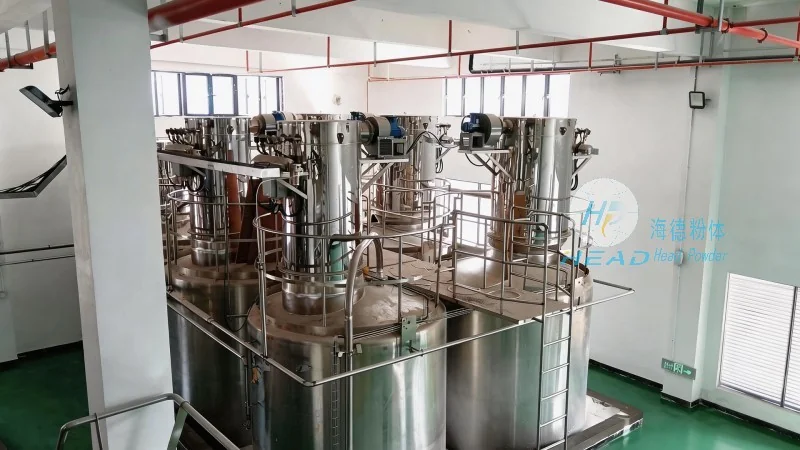
Working Scene Characteristics and Applications
Low-pressure pneumatic conveying systems are employed in a wide range of industrial applications, each with distinct working scene characteristics that influence system design and operation. One common application is in the food and pharmaceutical industries, where the system must handle materials that are sensitive to moisture, temperature, or contamination. In these scenarios, the system is often equipped with stainless steel components and sealed pipelines to maintain hygiene and prevent cross-contamination. The air used in the system is typically filtered to remove particulates and moisture, ensuring that the conveyed material remains clean and free from contaminants. Another application is in the chemical and petrochemical industries, where the system may need to handle abrasive or corrosive materials. The pipeline and components are designed to withstand the harsh conditions, often using materials such as high-density polyethylene (HDPE) or specialized alloys. The system may also include additional safety features, such as explosion-proof blower units, to mitigate the risks associated with handling flammable or explosive materials. In the agricultural sector, low-pressure pneumatic conveying is used to transport grains, seeds, and other agricultural products from storage facilities to processing plants. The system is designed to handle large volumes of material with minimal energy consumption, making it an efficient solution for bulk material transport. The working scene in this sector often involves outdoor installations, requiring the system to be weather-resistant and durable. In the mining industry, the system is used to transport ore and other minerals from mines to processing facilities. The system must be robust enough to handle the high volumes and abrasive nature of the material, with components designed to withstand heavy wear and tear. The working scene in mining often involves remote locations, requiring the system to be reliable and low-maintenance. Overall, the working scene characteristics of low-pressure pneumatic conveying systems vary based on the industry and material being transported, but all applications share the goal of efficient and reliable bulk material transport.




