For industrial applications requiring efficient and reliable transport of dry lime, pneumatic conveying systems have emerged as a preferred solution. These systems leverage air pressure to move dry lime powder through pipelines, offering a flexible and low-maintenance alternative to traditional material handling methods. This article explores the fundamental principles of dry lime pneumatic conveying, the key working scene characteristics, and the practical advantages of implementing such systems in industrial settings.
Introduction to Dry Lime Pneumatic Conveying Systems
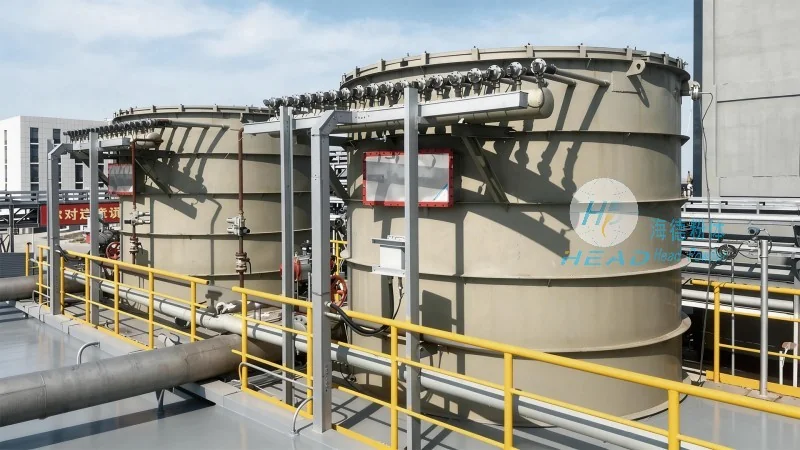
Dry lime pneumatic conveying systems are designed to transport dry lime powder from a source to a destination using air as the conveying medium. The technology is based on the principle of creating a pressure differential between the inlet and outlet of the pipeline, which draws the dry lime particles into the airflow. This method is particularly effective for handling fine powders like dry lime, which are prone to segregation and degradation when handled mechanically. By using an enclosed pipeline system, the conveying process minimizes dust emissions and ensures consistent material flow, making it suitable for applications where material quality and environmental compliance are critical.
Company Overview: Shandong HeadPowder Engineering Co., Ltd.
Shandong HeadPowder Engineering Co., Ltd., operating under the brand name headpowder, is a leading manufacturer specializing in the design and production of pneumatic conveying equipment. With headquarters in Shandong province, China, the company has built a strong reputation for delivering high-quality, customized solutions tailored to the unique needs of industrial clients. Their expertise spans various industries, including power generation, water treatment, and construction, where dry lime is a key material in processes such as flue gas desulfurization and concrete production. The company’s commitment to innovation and adherence to international standards ensures that their products meet the demanding requirements of modern industrial operations.
Principle of Operation for Dry Lime Pneumatic Conveyors
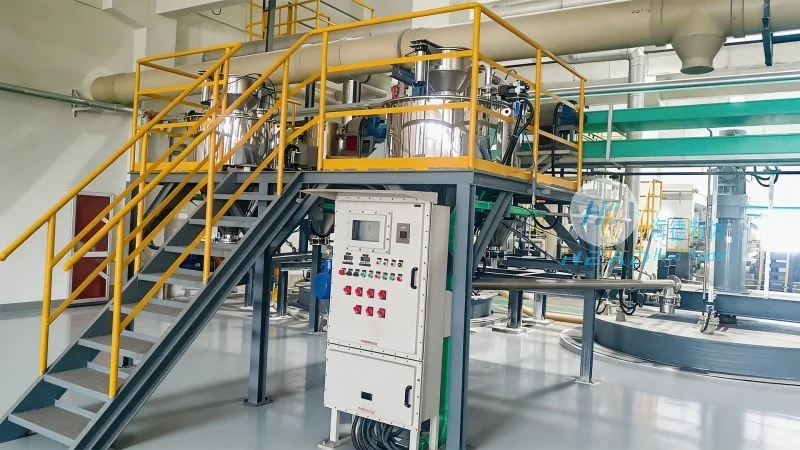
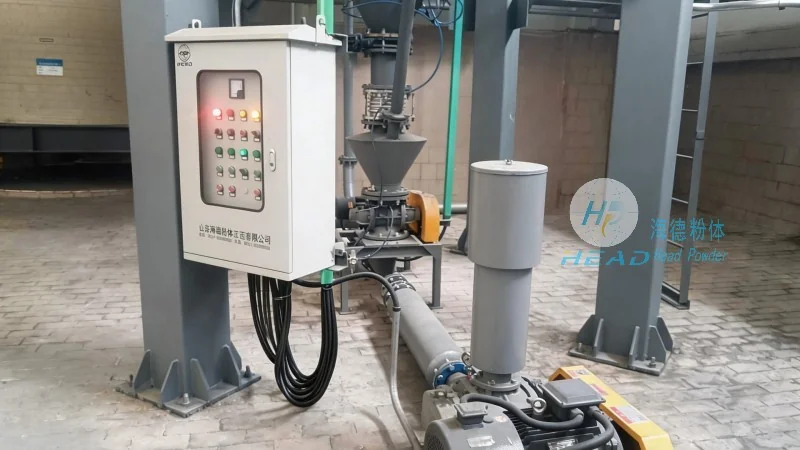
The operation of a dry lime pneumatic conveyor involves several key components working in concert. The system typically starts with a hopper that stores the dry lime, equipped with a feeding mechanism to control the material flow rate. A blower or compressor generates the necessary airflow, which is directed into the pipeline. As the air flows through the pipeline, it creates a low-pressure zone that draws the dry lime particles into the stream. The combination of air velocity and particle size determines the conveying velocity, allowing the material to be transported over long distances with minimal energy consumption. The pipeline network may include bends, expansions, and control valves to regulate the flow and ensure smooth operation. At the destination, a discharge unit collects the dry lime, completing the conveying process. This principle of operation ensures efficient, continuous transport of dry lime while minimizing wear on components and reducing the risk of material degradation.
Key Working Scene Characteristics and Applications
Dry lime pneumatic conveying systems are widely applied in diverse industrial scenarios, each with specific requirements that the technology addresses effectively. In flue gas desulfurization plants, for example, these systems transport dry lime to reaction towers, where it reacts with sulfur dioxide to form gypsum. The ability to handle long-distance transport with consistent flow rates is crucial for maintaining optimal desulfurization efficiency. In water treatment facilities, dry lime is used for pH adjustment and coagulation, and pneumatic conveying ensures precise dosing of the material to achieve desired water quality. The construction industry also benefits from these systems, as they facilitate the transport of dry lime for concrete production, where uniform material distribution is essential for product quality. The working scene characteristics include the flexibility to integrate with existing infrastructure, the ability to operate in both continuous and batch modes, and the capacity to handle varying material loads without compromising performance. These features make dry lime pneumatic conveying systems a versatile solution for a wide range of industrial applications.
Technical Advantages and Practical Implications
The adoption of dry lime pneumatic conveying systems offers several technical advantages that enhance operational efficiency and reduce costs. One of the primary benefits is the reduction in material degradation, as the enclosed pipeline design minimizes exposure to mechanical stress and moisture, preserving the quality of the dry lime. Additionally, the system eliminates dust emissions, contributing to better workplace safety and compliance with environmental regulations. The ability to control flow rates precisely allows for optimal process optimization, reducing waste and improving product quality. From a practical standpoint, these systems have fewer moving parts compared to mechanical conveyors, resulting in lower maintenance costs and higher reliability. The integration of advanced control systems enables real-time monitoring and adjustment of the conveying process, further enhancing operational efficiency. Overall, the technical advantages of dry lime pneumatic conveying systems translate into improved productivity, lower operational costs, and enhanced environmental performance in industrial applications. For industries relying on dry lime for critical processes, these systems provide a reliable and efficient solution that meets the demands of modern manufacturing and environmental standards.




