HeadPowder, a leading engineering firm based in Shandong, China, specializes in the design and implementation of advanced pneumatic conveying systems tailored for the lithium-ion battery industry. This article delves into the fundamental principles behind these systems and highlights the key characteristics of their operational environments, providing a comprehensive overview for industry professionals.
Understanding the Core Principles of Pneumatic Conveying for Battery Materials
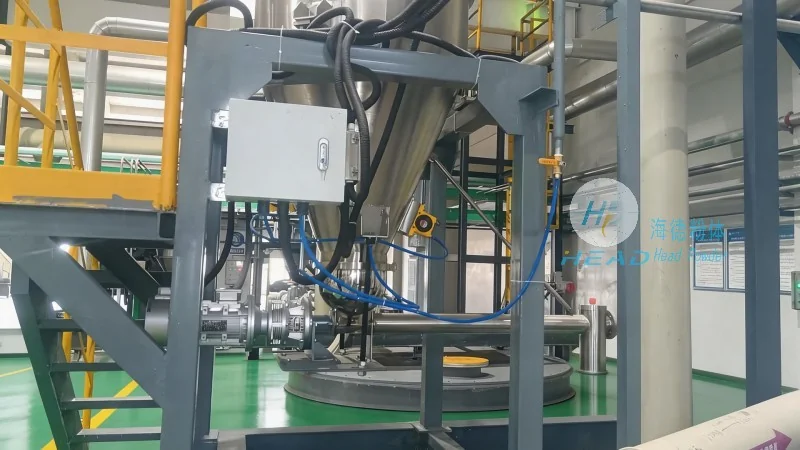
Pneumatic conveying lines for lithium-ion battery positive and negative electrode materials operate on the principle of transporting bulk materials through a pressurized or vacuumed air stream. The system typically consists of a hopper, a conveying line (often made of stainless steel to prevent material contamination), and a receiver. The process begins with the material being fed from the hopper into the conveying line, where it is propelled by the air flow. This method is particularly effective for handling fine powders and granules, which are common in the production of battery electrodes. The key advantage lies in its ability to transport materials without direct contact with mechanical components, reducing the risk of contamination and ensuring product purity—a critical factor in battery manufacturing.
Key Working Scene Characteristics of Pneumatic Conveying Systems
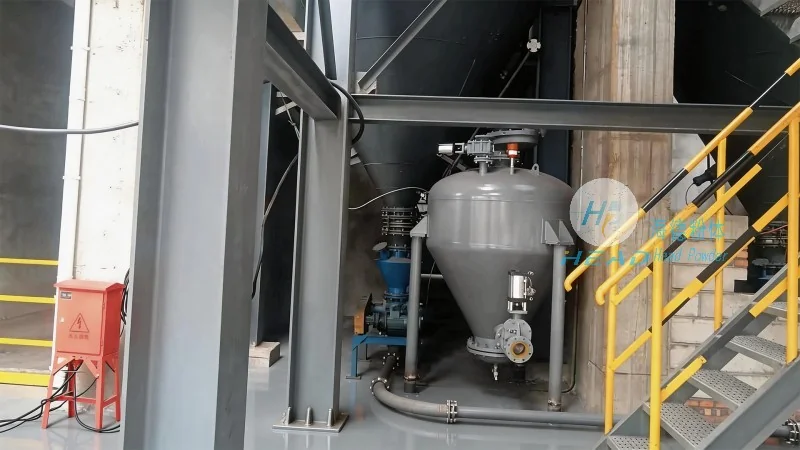
The operational environment of pneumatic conveying systems for battery materials is characterized by several distinct features that impact their design and performance. Firstly, the materials being handled are often sensitive to moisture and air exposure, necessitating sealed systems to maintain quality. Secondly, the systems must be capable of handling varying particle sizes and densities, which requires adjustable air pressure and flow rates. Thirdly, due to the high value of the materials, the risk of product loss or degradation is minimized through efficient and reliable conveying mechanisms. Additionally, the systems are designed for integration into automated production lines, ensuring seamless material transfer between processing stages. The working scenes typically include production facilities where electrode materials are mixed, dried, and converted into final products, requiring precise control over material flow to meet stringent quality standards.
Applications and Benefits in Lithium-Ion Battery Manufacturing
Pneumatic conveying lines are integral to the efficient and safe handling of lithium-ion battery electrode materials. They are widely used in scenarios such as transferring raw materials from storage to processing equipment, moving intermediate products between production stages, and delivering finished electrode powders to packaging or further processing units. The benefits of these systems extend beyond material handling; they contribute to improved production efficiency by reducing downtime associated with manual material transfer and enhancing overall line throughput. Furthermore, the sealed and controlled nature of pneumatic conveying helps maintain the integrity of the materials, which is essential for achieving high battery performance and longevity. HeadPowder’s expertise in customizing these systems ensures that clients receive solutions optimized for their specific production needs, balancing performance, cost, and reliability.
Conclusion: The Role of Pneumatic Conveying in Modern Battery Manufacturing
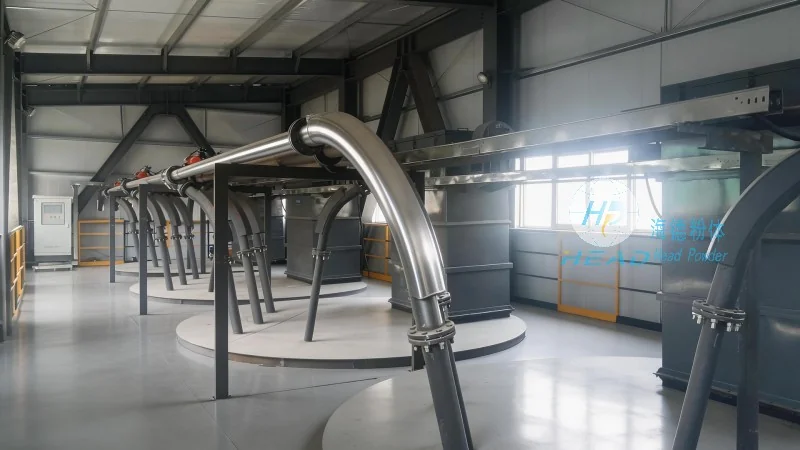
In conclusion, pneumatic conveying lines for lithium-ion battery positive and negative electrode materials represent a sophisticated and essential technology in the battery manufacturing industry. By leveraging the principles of air-based material transport, these systems address the unique challenges of handling sensitive electrode materials while ensuring high-quality production. The working scene characteristics, such as material sensitivity, process integration, and efficiency requirements, are all met through carefully designed pneumatic conveying solutions. As the demand for lithium-ion batteries continues to grow, the importance of reliable and efficient material handling systems like those offered by HeadPowder becomes increasingly critical. These systems not only support current production needs but also provide a foundation for future scalability and technological advancements in battery manufacturing.




