HeadPowder, a leading engineering company based in Shandong, China, specializes in the design and implementation of advanced pneumatic conveying systems tailored for clay materials. This article explores the fundamental working principles and key characteristics of such systems, providing a comprehensive overview for industry professionals seeking efficient material handling solutions.
Understanding the Working Principle of Clay Material Pneumatic Conveying Systems
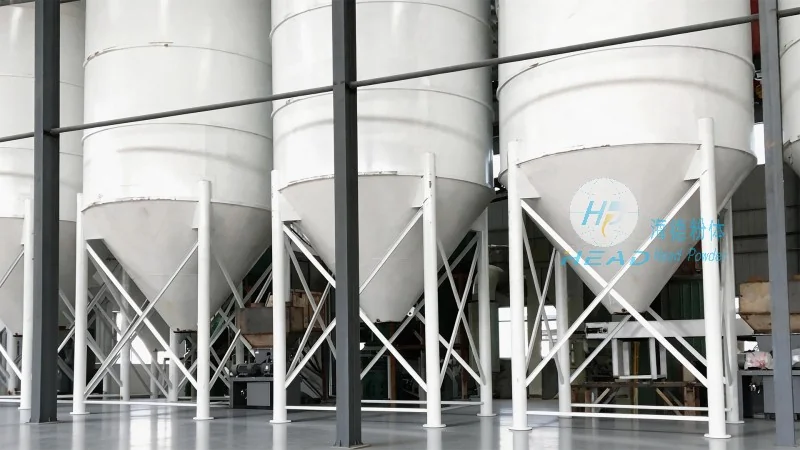
The core mechanism of a clay material pneumatic conveying system involves the use of compressed air to transport dry or semi-dry clay particles from a source to a destination. The process typically begins with the clay material being fed into a hopper or silo. From there, the material is drawn into a pipeline by the suction or pressure created by the air flow. The system utilizes either a suction or pressure method, depending on the specific application and material properties. In a suction system, the air is drawn through the material, creating a negative pressure that pulls the clay particles along the pipeline. Conversely, a pressure system forces air and material through the pipeline under positive pressure. The choice between these methods is determined by factors such as the distance of transport, the volume of material, and the characteristics of the clay, including its moisture content and particle size distribution. The system's efficiency is enhanced by the use of specialized components like rotary valves, which control the flow of material into the pipeline, and airlocks, which prevent backflow and maintain consistent material feed. The compressed air, often supplied by a blower or compressor, is regulated to ensure optimal velocity and pressure, preventing material degradation and ensuring smooth transport. The entire process is designed to minimize material degradation, maintain product quality, and maximize system reliability.
Key Features of Advanced Clay Material Pneumatic Conveying Systems
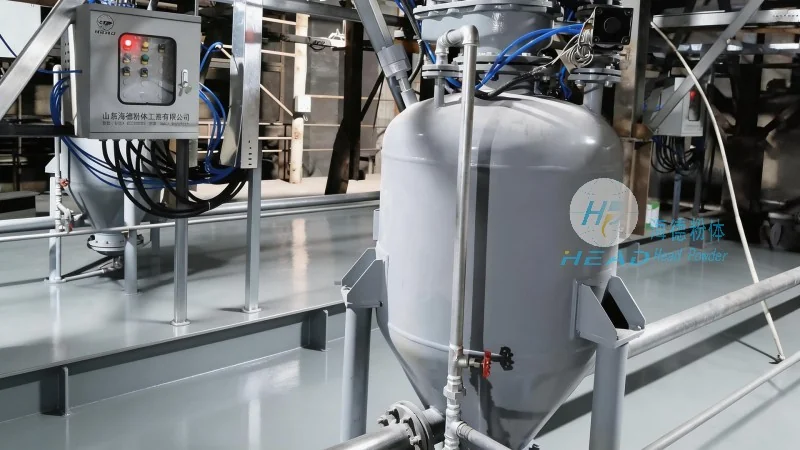
Modern clay material pneumatic conveying systems from HeadPowder are characterized by several advanced features that enhance performance and operational efficiency. One of the primary features is the ability to handle a wide range of clay types, from fine powders to larger granules, with minimal modification to the system. This versatility is achieved through adjustable air flow rates and variable speed controls, allowing the system to adapt to different material characteristics. Another critical feature is the integration of dust control measures, which are essential for maintaining a safe and clean working environment. Advanced systems incorporate filters and cyclones to capture and remove airborne particles, reducing dust emissions and improving air quality. The systems also feature robust construction materials, such as stainless steel or corrosion-resistant alloys, to withstand the abrasive nature of clay and prevent system degradation over time. Additionally, modern pneumatic conveying systems are equipped with automated controls and monitoring systems, enabling real-time tracking of material flow, pressure, and air consumption. This allows for immediate adjustments to optimize performance and detect potential issues before they become major problems. The use of energy-efficient components, such as variable frequency drives (VFDs) for blowers, further reduces operational costs while maintaining high performance. These features collectively contribute to a more reliable, cost-effective, and environmentally friendly material handling solution.
Applications and Benefits in Industrial Settings
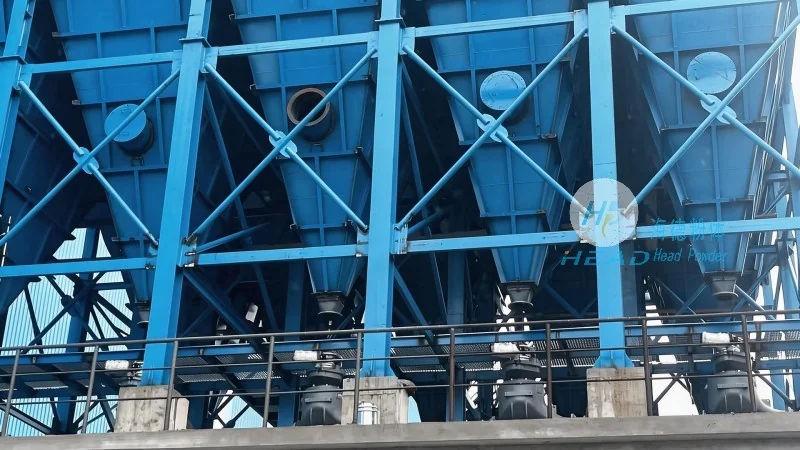
Clay material pneumatic conveying systems are widely used in various industrial applications, including mining, ceramics, and construction. In the mining industry, these systems are employed to transport clay from storage facilities to processing plants, ensuring a continuous and efficient supply of raw materials. The ceramics industry benefits from the ability to handle fine clay powders with precision, which is crucial for maintaining product quality in brick, tile, and pottery manufacturing. In construction, the systems are used to transport clay for soil stabilization and building materials, improving work efficiency and reducing manual labor. The primary benefits of using pneumatic conveying systems for clay materials include increased operational efficiency, reduced labor costs, and improved product quality. By eliminating the need for manual handling and traditional belt conveyors, the systems minimize the risk of material contamination and damage. Additionally, the automated controls and monitoring systems enhance safety by preventing over-pressurization and ensuring consistent material flow. The environmental benefits are also significant, as the dust control measures reduce airborne particles and minimize the impact on the surrounding environment. Overall, the adoption of advanced clay material pneumatic conveying systems provides a sustainable and efficient solution for material handling in industrial settings.




