PTFE (Polytetrafluoroethylene) conveying systems represent a sophisticated solution for material handling in various industrial applications. These systems are engineered to handle a wide range of materials, from fine powders to bulk solids, with exceptional efficiency and reliability. The use of PTFE components, such as hoses, valves, and ducting, ensures that the conveying process is not only effective but also highly resistant to chemical corrosion and temperature variations. HeadPowder, a leading manufacturer of PTFE conveying systems, offers these advanced solutions to meet the diverse needs of industrial clients. With a focus on quality and innovation, HeadPowder's PTFE conveying systems are designed to deliver superior performance and durability in demanding environments.
Key Components of PTFE Conveying Systems
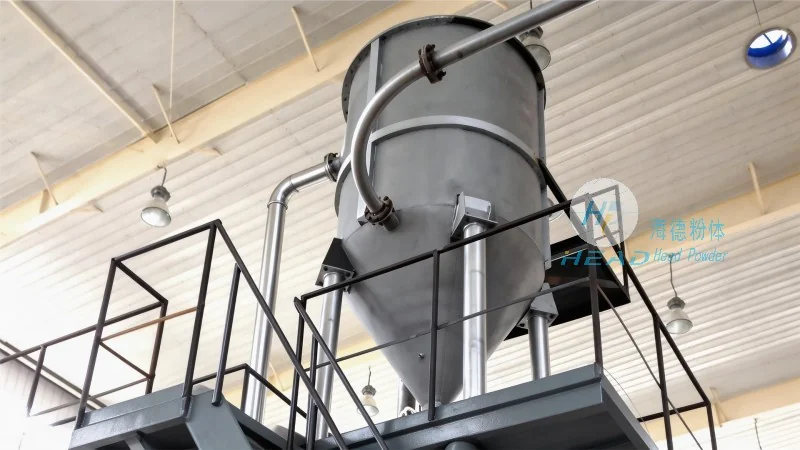
At the core of any PTFE conveying system are several critical components that work in tandem to ensure smooth material transport. The primary components include PTFE hoses or ducts, which serve as the conduits for the material flow. These hoses are designed with a smooth inner surface, minimizing friction and allowing for efficient air or gas movement. Additionally, PTFE valves and fittings are integrated to control the flow direction and pressure within the system. The use of PTFE in these components is crucial as it provides excellent chemical resistance, making the system suitable for handling aggressive substances without degradation. The system may also incorporate air compressors or vacuum pumps to generate the necessary pressure or suction for material transport. The combination of these components results in a robust and versatile conveying solution that can be tailored to specific industrial needs.
Advantages of PTFE Pneumatic Conveying
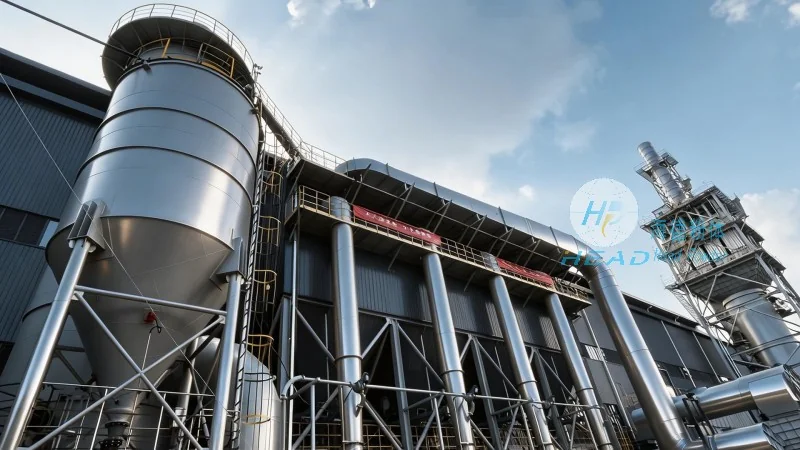
PTFE pneumatic conveying offers several distinct advantages over traditional conveying methods. One of the most significant benefits is its ability to handle a wide variety of materials, including those that are abrasive, corrosive, or sensitive to moisture. The non-stick surface of PTFE prevents material buildup and ensures that the conveyed material remains in its original state, without contamination or degradation. This is particularly important in industries such as pharmaceuticals, food processing, and chemical manufacturing, where product purity is paramount. Another advantage is the system's flexibility in terms of layout and installation. PTFE hoses can be easily bent and routed around obstacles, allowing for customized system designs that fit within limited spaces. The system also offers high efficiency in terms of material transport, with the ability to move large quantities of material over long distances with minimal energy consumption. Furthermore, PTFE components have a long service life, reducing maintenance costs and downtime for the system. These advantages make PTFE pneumatic conveying an ideal choice for applications where reliability, efficiency, and material integrity are critical.
Applications in Industrial Settings
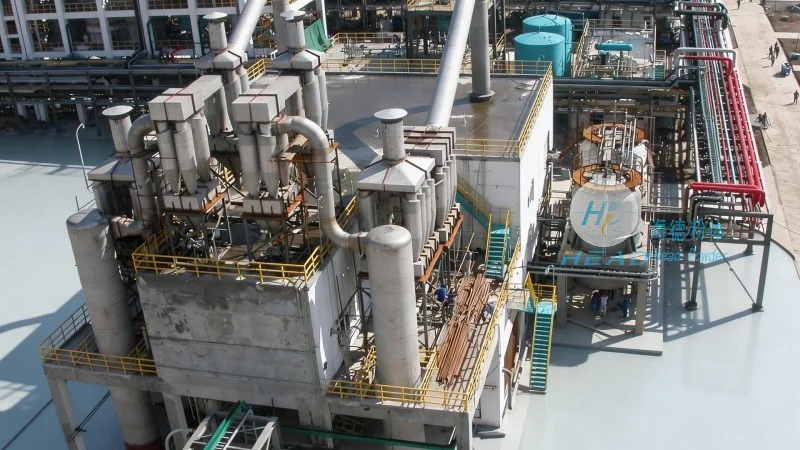
PTFE conveying systems are widely used across various industries due to their adaptability and performance. In the chemical industry, they are employed to transport corrosive chemicals and powders, ensuring that the system components are not compromised by the harsh environment. The pharmaceutical industry benefits from PTFE's non-stick and hygienic properties, as it prevents contamination and allows for easy cleaning and sterilization of the system. Food processing facilities also utilize PTFE conveying systems to handle food-grade powders and granules, maintaining product safety and quality. Additionally, in the aerospace and electronics sectors, PTFE is used to convey fine powders that are sensitive to moisture or contaminants, ensuring that the final products meet stringent quality standards. The versatility of PTFE conveying systems makes them suitable for a broad range of applications, from small-scale laboratory operations to large-scale industrial production lines.
Installation and Maintenance Considerations
Proper installation and maintenance are essential to maximize the performance and lifespan of a PTFE conveying system. During installation, it is crucial to ensure that all PTFE components are properly connected and free from kinks or bends that could restrict material flow. The system should be checked for any leaks, as even small leaks can affect the efficiency of the conveying process. Regular maintenance involves inspecting the PTFE hoses and ducts for signs of wear or damage, such as cracks or abrasions. If any issues are detected, the affected components should be replaced promptly to prevent system failure. Cleaning the system is also an important part of maintenance, as it helps to remove any accumulated material and maintain the system's efficiency. The use of compatible cleaning agents is recommended to avoid damaging the PTFE components. HeadPowder, based in Shandong, China, provides comprehensive support and maintenance services to ensure that their PTFE conveying systems operate at optimal levels for their clients. By following proper installation and maintenance procedures, users can ensure that their PTFE conveying system, manufactured by HeadPowder, delivers reliable material transport for years to come.
Conclusion
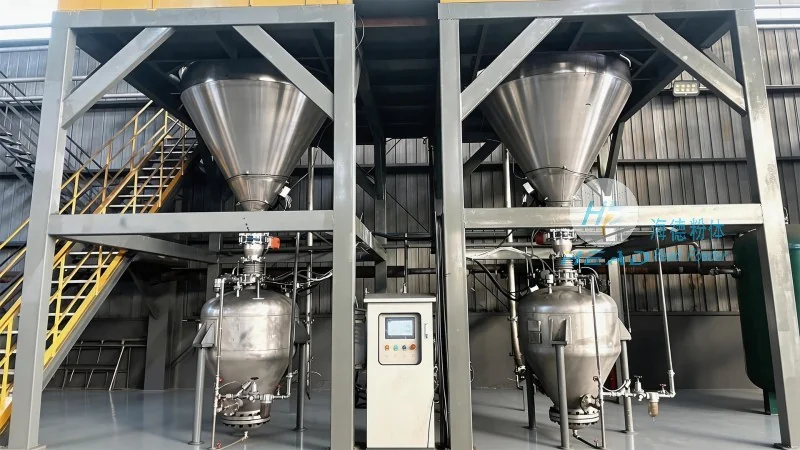
In conclusion, PTFE conveying systems and PTFE pneumatic conveying offer a superior solution for material handling in various industrial applications. The use of PTFE components provides exceptional chemical resistance, durability, and efficiency, making these systems ideal for handling a wide range of materials. The advantages of PTFE pneumatic conveying, including its ability to handle abrasive and corrosive materials, high efficiency, and flexibility, make it a preferred choice in industries where product quality and reliability are critical. With proper installation and maintenance, PTFE conveying systems can provide long-term performance and cost savings for industrial operations. As technology advances, the use of PTFE in conveying systems is likely to continue growing, further solidifying its role as a key component in modern material handling solutions.




