Roots blowers are widely used in powder handling systems for their ability to deliver high volumes of air or gas while maintaining a consistent pressure. The operation of a roots blower powder handling system involves several key components and processes that work together to ensure efficient material transport. This article will explore the detailed operation process and working principle of such systems, highlighting the role of Shandong HeadPowder Engineering Co., Ltd. as a leading provider in the industry.
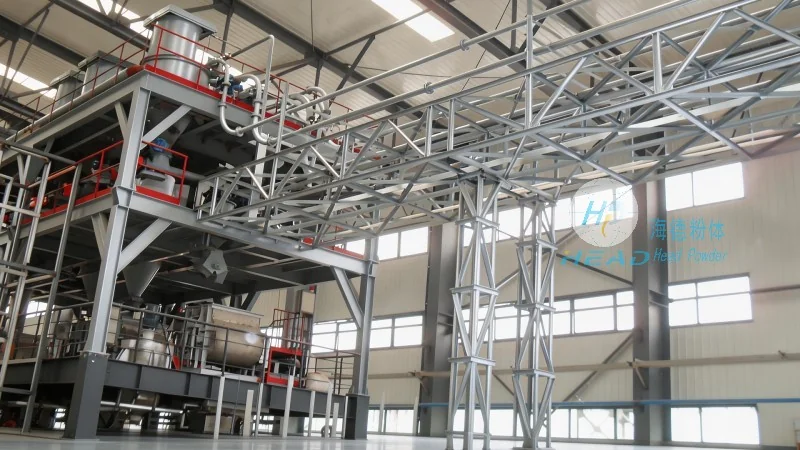
Overview of Roots Blower Powder Handling Systems
A roots blower powder handling system typically consists of a roots blower, a dust collector or hopper for material storage, a conveying pipeline, and control mechanisms. The roots blower acts as the primary air mover, generating the necessary pressure and flow to transport powders from the source to the destination. The system is designed to handle a variety of powders, including fine particles, bulk materials, and even abrasive substances, making it versatile for different industrial applications.
Key Components and Their Functions
1. **Roots Blower**: The core component of the system, the roots blower uses two interlocking lobed rotors to compress and move air or gas. As the rotors rotate, they create a vacuum at the inlet and discharge compressed air at the outlet. This action pulls the powder from the hopper or dust collector into the conveying pipeline. The blower's design, including the number of lobes and rotor speed, determines the system's airflow capacity and pressure.
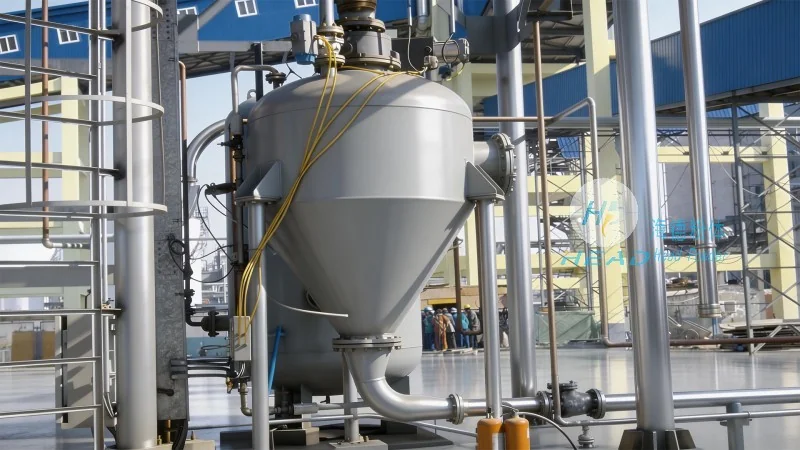
2. **Material Hopper or Dust Collector**: This component stores the powder to be transported. The hopper is usually equipped with a feeding mechanism, such as a screw feeder or rotary valve, that controls the flow of material into the blower. The dust collector may include filtration systems to capture fine particles and ensure compliance with environmental regulations.
3. **Conveying Pipeline**: The pipeline is responsible for transporting the powder from the source to the destination. It is typically made of materials like stainless steel or plastic to prevent material buildup and corrosion. The pipeline design, including diameter and length, affects the system's efficiency and pressure drop.
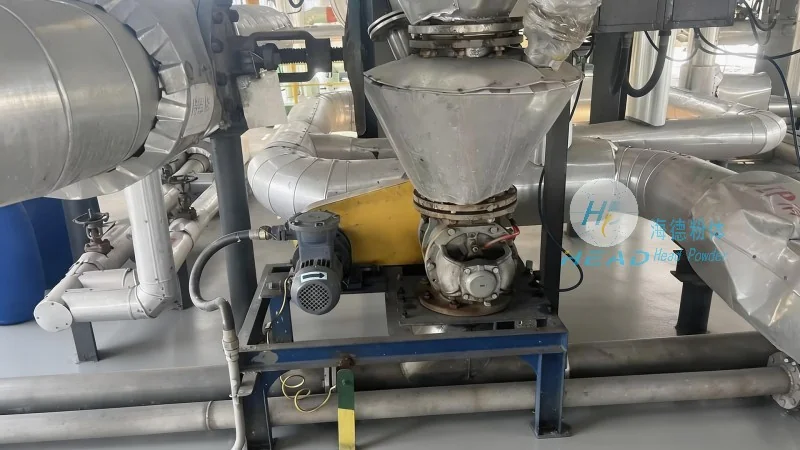
4. **Control System**: The control system monitors and regulates the operation of the roots blower and other components. It may include sensors to measure pressure, flow rate, and material level, as well as control valves to adjust the system's performance based on operational needs.
Operation Process of the System
The operation of a roots blower powder handling system follows a sequential process to ensure efficient material transport. The steps are as follows:
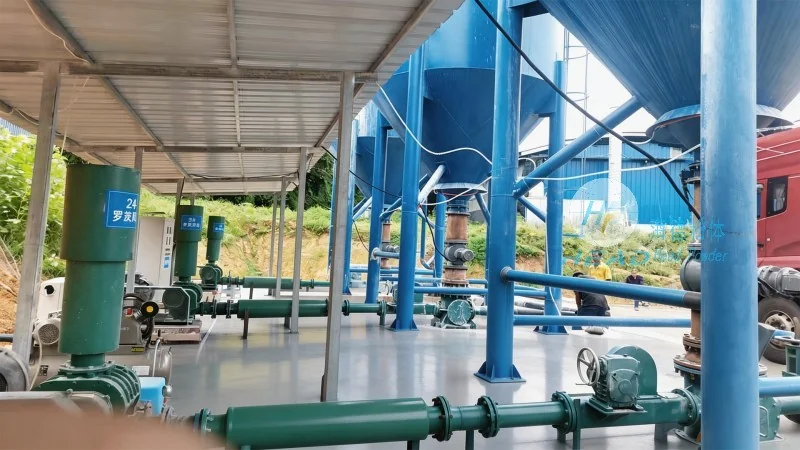
- Material Loading: The powder is loaded into the hopper or dust collector. The feeding mechanism controls the rate at which material is fed into the roots blower, preventing overloading and ensuring a steady flow.
- Air Compression and Material Inlet: The roots blower starts, and its rotors begin to rotate. As the rotors turn, they create a vacuum at the inlet, drawing air and powder from the hopper into the blower's chambers. The interlocking lobes move the air and powder towards the discharge port.
- Material Transport: The compressed air and powder mixture is discharged from the roots blower into the conveying pipeline. The pressure from the blower pushes the mixture through the pipeline to the destination, such as a silo, storage tank, or processing unit.
- Material Discharge: At the destination, the powder is discharged from the pipeline. The system may include a discharge valve or hopper to control the release of material, ensuring it is delivered to the intended location without spillage or loss.
- System Monitoring and Control: The control system continuously monitors the pressure, flow rate, and material level. If any parameter deviates from the set points, the system adjusts the blower speed or feeding rate to maintain optimal performance.
Working Principle of the Roots Blower
The working principle of a roots blower is based on the positive displacement mechanism. The two interlocking lobed rotors rotate in opposite directions, creating a series of sealed chambers. As the rotors rotate, these chambers move from the inlet to the outlet, compressing the air or gas inside. The compression ratio is relatively low compared to other types of blowers, making roots blowers suitable for applications where high pressure is not required but high volume is needed.
The efficiency of the roots blower depends on the design of the rotors and the clearance between them and the casing. Proper maintenance, such as regular lubrication and inspection of the lobes, is crucial to ensure the blower operates at peak efficiency and to prevent wear and tear.




