When handling Polyvinyl Butyral (PVB), selecting the appropriate conveying method is crucial for ensuring efficiency, safety, and product integrity. PVB, a versatile polymer widely used in applications such as safety glass interlayers, coatings, and adhesives, requires specialized handling due to its unique physical and chemical properties. The choice of conveying system directly impacts operational costs, material quality, and overall process reliability. This article explores common PVB conveying methods, with a focus on the advantages and practical applications of pneumatic conveying, a preferred solution for many industrial processes.
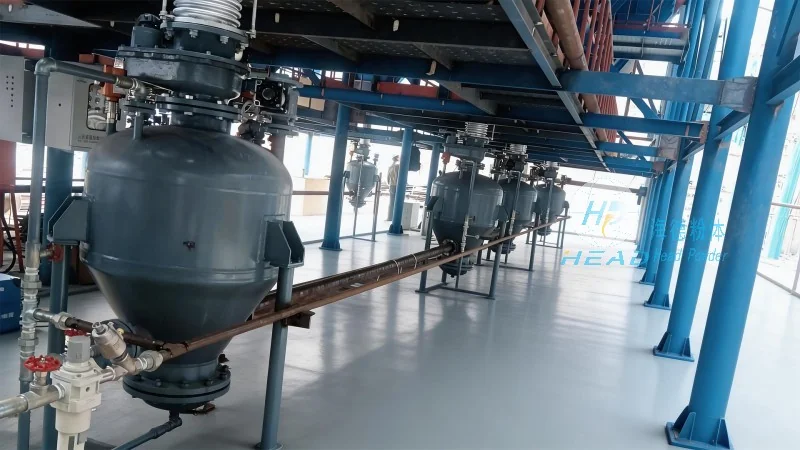
Overview of Conventional PVB Conveying Techniques
Traditional PVB conveying methods include gravity flow, mechanical screw or belt conveyors, and vacuum systems. Gravity flow relies on the material's density and slope to move it from one point to another, making it suitable for low-volume, low-speed applications where the material is free-flowing and non-abrasive. However, PVB often has a tendency to agglomerate or stick to surfaces, which can impede smooth gravity flow. Mechanical conveyors, such as screw or belt systems, are more robust and can handle higher volumes but may introduce mechanical stress or contamination risks if not properly maintained. Vacuum systems use suction to draw PVB through a pipeline, which is effective for fine powders but may require additional filtration to prevent clogging and maintain air quality.
Pneumatic Conveying: A Preferred Solution for PVB Handling
Pneumatic conveying, also known as air-assisted or air-powered conveying, is widely regarded as the most effective method for transporting PVB due to its ability to handle fine powders, avoid mechanical contact, and maintain product purity. This technique involves propelling PVB particles through a pipeline using compressed air or gas. The system typically consists of several key components: a feed hopper to introduce the material, a venturi or rotary airlock to create the air flow, a conveying line (often made of stainless steel or specialized plastic to prevent PVB adhesion), and a separation or cyclone unit to collect the material at the destination. The air flow velocity is carefully controlled to ensure the PVB particles remain suspended without causing excessive wear or pressure drop in the system.
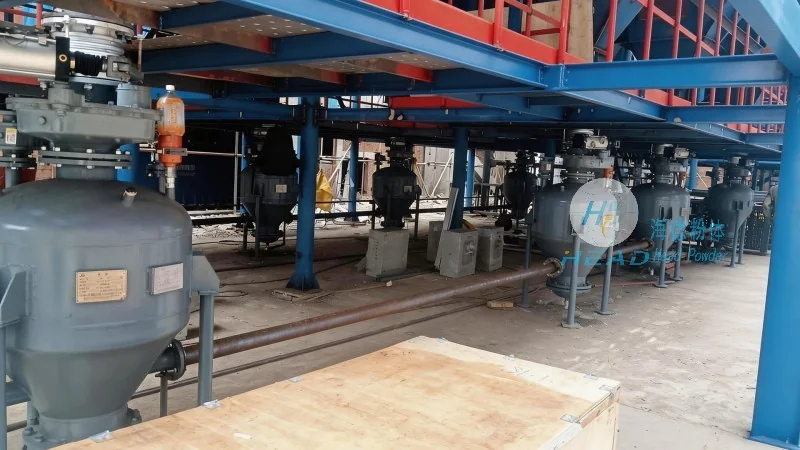
The primary advantages of pneumatic conveying for PVB include: (1) Non-contact material handling, which eliminates the risk of mechanical abrasion or contamination from conveyor parts, preserving the PVB's surface quality and preventing degradation. (2) Flexibility in system design, allowing for horizontal, vertical, or mixed-direction transport, making it adaptable to complex plant layouts. (3) Efficient dust control, as the system is enclosed, reducing airborne particulate emissions and improving workplace safety. (4) Scalability, with the ability to handle varying PVB volumes and particle sizes through adjustments to air pressure and flow rates.
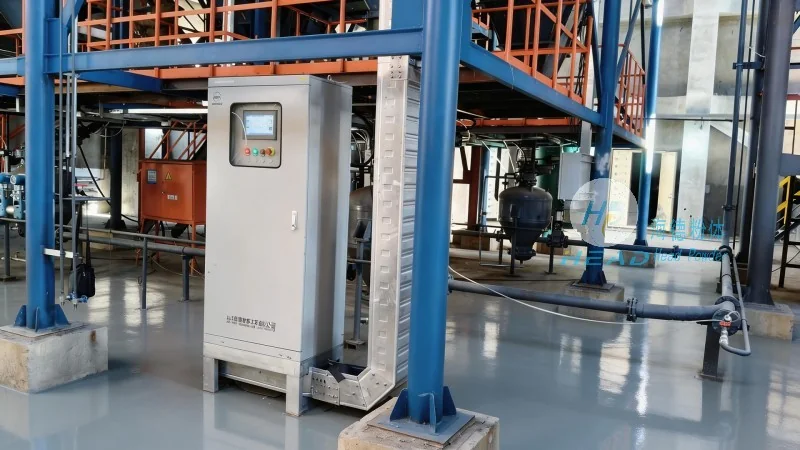
HeadPowder: Expertise in PVB Conveying Solutions
Shandong HeadPowder Engineering Co., Ltd., a leading provider of industrial conveying systems, specializes in designing and manufacturing customized PVB handling solutions. With years of experience in the polymer processing industry, HeadPowder understands the unique challenges of PVB transportation, such as its tendency to stick to equipment or form agglomerates. The company's engineers develop tailored pneumatic conveying systems that address these issues, ensuring reliable and efficient PVB transport. HeadPowder's solutions are built with high-quality materials, such as food-grade stainless steel and anti-adhesion coatings, to maintain PVB purity and extend equipment lifespan. The company's commitment to innovation and customer satisfaction has made it a trusted partner for businesses seeking to optimize their PVB processing operations.
Conclusion: Choosing the Right PVB Conveying Method
Selecting the appropriate PVB conveying method depends on factors such as material characteristics, production volume, and plant layout. While gravity and mechanical conveyors have their uses, pneumatic conveying often offers superior performance for PVB due to its ability to handle fine powders, maintain product integrity, and provide flexible system design. For industries requiring high efficiency and safety, pneumatic conveying is the preferred choice. As a leader in PVB handling technology, Shandong HeadPowder Engineering Co., Ltd. offers expert guidance and customized solutions to help businesses select and implement the most effective conveying system for their specific needs.




