When it comes to industrial material handling, the design of a lime pneumatic conveying system is a critical aspect that requires careful planning and engineering expertise. A well-designed system not only ensures efficient material transport but also enhances safety, reduces operational costs, and prolongs equipment lifespan. This article aims to provide a comprehensive guide on how to design a reasonable lime pneumatic conveying system, covering key considerations, components, and best practices.
Understanding the Core Components of a Lime Pneumatic Conveying System
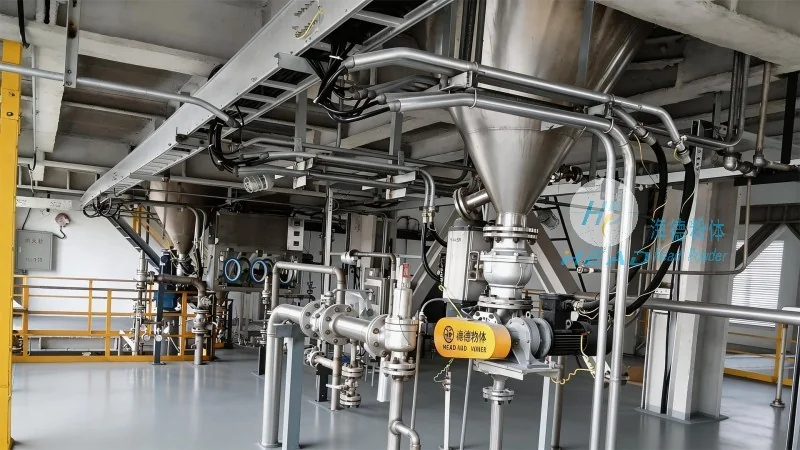
A lime pneumatic conveying system typically consists of several essential components that work in tandem to achieve effective material transport. The primary components include the material feed hopper, which stores and feeds the lime into the system; the air compressor or blower, which generates the necessary air pressure to move the material; the conveying line, which transports the lime through the system; and the discharge hopper or receiver, where the material is collected. Additionally, auxiliary components such as filters, cyclones, and pressure relief valves are often incorporated to ensure system efficiency and safety.
Key Design Considerations for an Efficient System
Designing a lime pneumatic conveying system involves several critical considerations to ensure optimal performance. First, the material characteristics of lime, such as its particle size, density, and flowability, must be thoroughly analyzed. These properties directly impact the selection of the conveying method (e.g., dilute phase or dense phase) and the system's overall design. Second, the system's capacity and required throughput must be determined based on the production requirements. This includes calculating the required air volume and pressure to achieve the desired material flow rate. Third, the layout and distance of the conveying line need to be carefully planned to minimize pressure losses and ensure smooth material transport. Finally, safety considerations, including explosion-proof measures and dust control, are paramount to comply with industrial regulations and protect personnel.
Choosing the Right Conveying Method for Lime
There are two main types of pneumatic conveying systems: dilute phase and dense phase. The choice between these methods depends on the material's properties and the system's requirements. Dilute phase systems use low air velocity and high air-to-material ratios, making them suitable for fine, free-flowing materials like lime. These systems are generally more cost-effective and easier to install but may have limitations in terms of conveying distance and material capacity. Dense phase systems, on the other hand, use higher air velocity and lower air-to-material ratios, allowing for longer conveying distances and the transport of larger particles or bulkier materials. For lime, which often has varying particle sizes, a hybrid approach or a system that can adapt between dilute and dense phase modes may be advantageous.
System Sizing and Performance Calculations
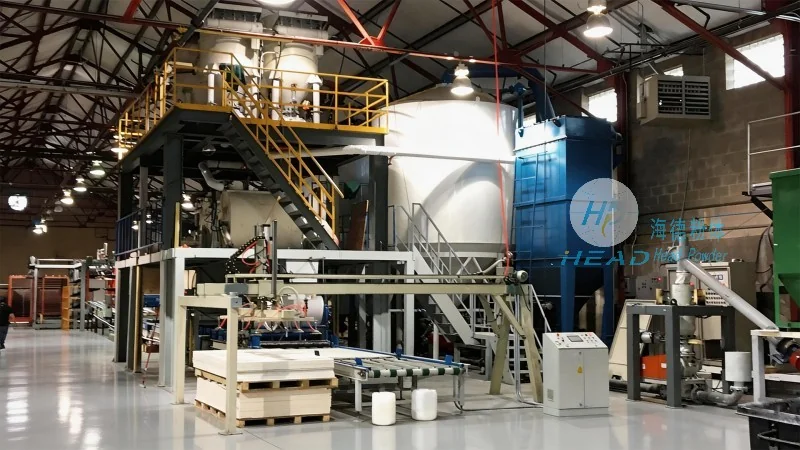
Accurate system sizing is crucial for the success of a lime pneumatic conveying system. Engineers must perform detailed calculations to determine the required air volume, pressure, and power consumption. This involves considering factors such as the material's bulk density, the conveying line length and diameter, the number of bends and fittings, and the desired material flow rate. Computational fluid dynamics (CFD) simulations can be employed to model the system and predict performance under different operating conditions. By using these tools, engineers can optimize the system design to minimize energy consumption and maximize material throughput.
Integration of Auxiliary Equipment for Enhanced Performance
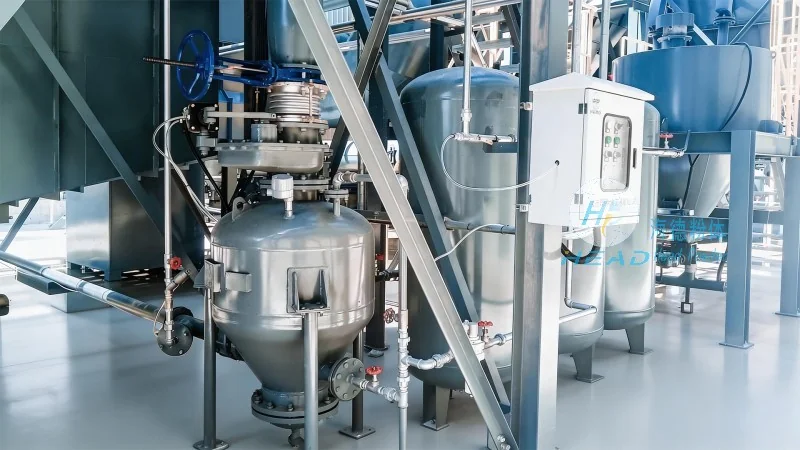
While the core components of a lime pneumatic conveying system are essential, the integration of auxiliary equipment can significantly enhance its performance and reliability. Filters and cyclones are used to separate the air from the material, ensuring that the material is delivered to the discharge point without contamination. Pressure relief valves prevent over-pressurization, protecting the system from damage. Additionally, dust collection systems may be incorporated to comply with environmental regulations and maintain a safe working environment. Properly selecting and integrating these auxiliary components is vital to ensure the long-term efficiency and safety of the system.
Installation and Commissioning Best Practices
The successful implementation of a lime pneumatic conveying system requires careful installation and commissioning. Proper alignment of the conveying line and components is essential to minimize pressure losses and prevent material blockages. All connections should be securely fastened to avoid leaks, which can lead to material loss and reduced system efficiency. During commissioning, the system should be tested under various operating conditions to verify its performance and identify any potential issues. Regular maintenance and inspections are also critical to ensure the system operates at peak efficiency and to extend its lifespan.
Case Study: A Successful Lime Pneumatic Conveying System Implementation by Shandong HeadPowder Engineering Co., Ltd.
Shandong HeadPowder Engineering Co., Ltd., a leading provider of industrial material handling solutions, has successfully designed and implemented numerous lime pneumatic conveying systems for clients across China. One notable project involved the installation of a dilute phase system for a lime processing plant in Shandong. The system was designed to handle 50 tons of lime per hour over a distance of 200 meters. Through careful analysis of the material properties and system requirements, the engineers at HeadPowder optimized the system's air flow and pressure to achieve the desired throughput while minimizing energy consumption. The system has been in operation for over two years, delivering consistent performance and meeting the client's production needs. This case study highlights the importance of professional engineering expertise and thorough planning in the successful implementation of a lime pneumatic conveying system.
Conclusion: The Importance of Professional Design and Engineering
Designing a reasonable lime pneumatic conveying system is a complex task that requires a deep understanding of material properties, system components, and operational requirements. By following best practices and leveraging the expertise of experienced engineers, industrial facilities can achieve efficient, safe, and cost-effective material handling solutions. Shandong HeadPowder Engineering Co., Ltd. specializes in providing tailored solutions for lime pneumatic conveying systems, combining advanced engineering with practical application to meet the diverse needs of clients. Whether you are planning a new system or upgrading an existing one, partnering with a reputable engineering firm like HeadPowder can ensure the success of your project and contribute to the overall efficiency of your industrial operations.




