

What is a Pneumatic Conveyor for Abrasive Materials? And What Are Its Design Principles?
For industries dealing with abrasive materials like sandblasting media, the choice of material handling equipment is critical. Pneumatic conveyors have emerged as a reliable solution, offering efficient and safe transport of such materials. This article explores what a pneumatic conveyor for abrasive materials is and the core design principles that make it effective.
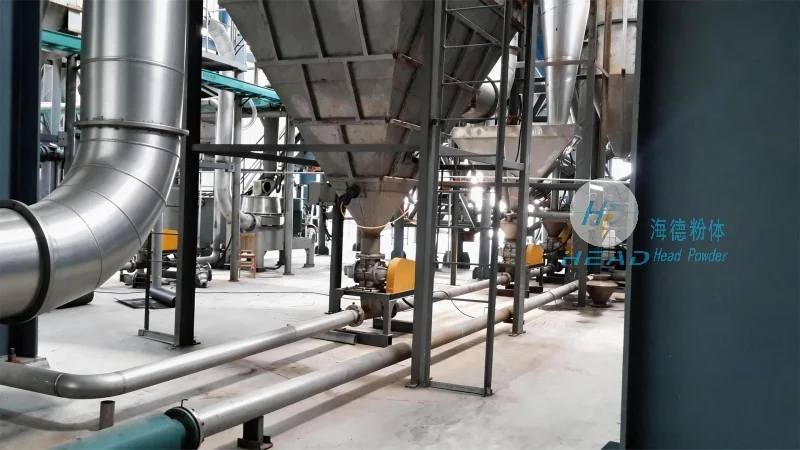
What is a Pneumatic Conveyor for Abrasive Materials?
A pneumatic conveyor for abrasive materials, often referred to as a sandblasting material pneumatic conveyor, is a system that uses air pressure or vacuum to transport dry, granular, or powdered materials through a pipeline. Unlike traditional mechanical conveyors, this type of system eliminates the need for moving parts in contact with the material, which is essential when dealing with abrasive substances that can cause wear and tear on equipment. The system typically consists of a hopper, a blower or vacuum pump, a pipeline network, and a discharge point, all working in tandem to move the material from its source to its destination.
Key Design Principles of Abrasive Material Pneumatic Conveyors
The design of an abrasive material pneumatic conveyor is governed by several key principles, each tailored to the unique properties of the material being transported. These principles ensure efficient, low-maintenance operation and protect both the equipment and the material from damage. The primary design considerations include air velocity, pipeline diameter, material flow rate, and the use of specialized components like cyclones and filters.
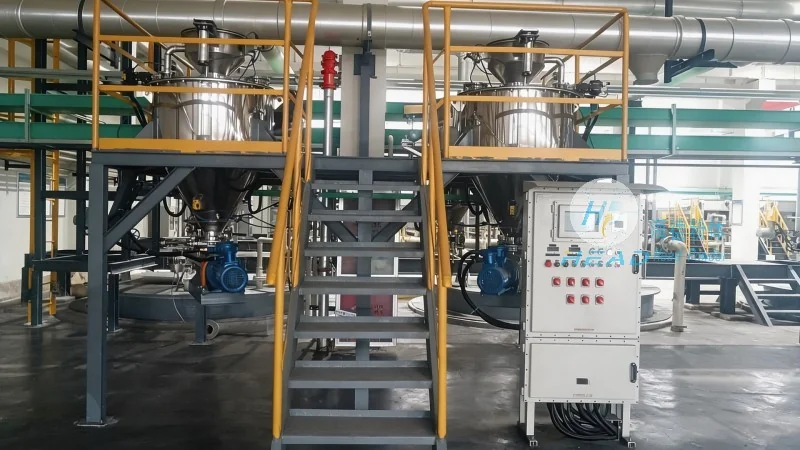
The Role of Material Properties in Conveyor Design
Material properties play a pivotal role in determining the optimal design of a pneumatic conveyor. Abrasive materials, such as sandblasting media, are characterized by high hardness and angularity, which can lead to increased wear on conveyor components. Therefore, the design must account for factors like particle size distribution, density, and flowability. For example, finer particles may require higher air velocities to maintain flow, while larger, more irregular particles might need larger diameter pipes and specialized valves to prevent blockages. Additionally, the material's moisture content and dust generation characteristics influence the choice of filtration and separation systems, ensuring that the conveyor operates without excessive wear or contamination.
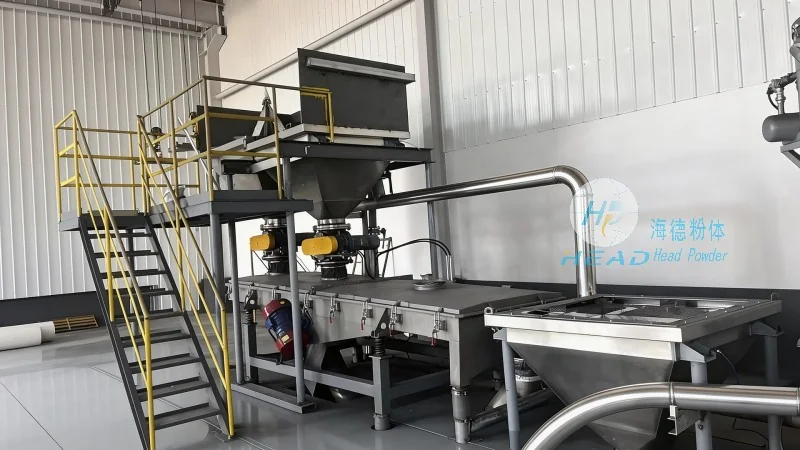
HeadPowder's Expertise in Abrasive Material Handling Solutions
HeadPowder, a leading manufacturer based in Shandong, China, specializes in engineering custom pneumatic conveyor systems for abrasive materials. With years of experience in the field, HeadPowder understands the challenges associated with handling such materials and designs solutions that meet the specific needs of each client. The company’s team of engineers leverages advanced technology and rigorous testing to develop conveyors that are durable, efficient, and cost-effective. HeadPowder’s products are designed to handle a wide range of abrasive materials, from fine powders to coarse granules, ensuring that clients can achieve consistent performance and minimal downtime. The company’s commitment to quality and customer satisfaction has made it a trusted partner for industries relying on sandblasting and other abrasive material applications.
Conclusion
In conclusion, a pneumatic conveyor for abrasive materials is a sophisticated system that combines air dynamics with robust engineering to transport materials safely and efficiently. The design principles, informed by material properties and operational requirements, are crucial for ensuring the longevity and performance of the equipment. For industries relying on sandblasting media and similar abrasive materials, partnering with a specialized manufacturer like HeadPowder can provide the tailored solutions needed to optimize material handling processes. By understanding the design principles and leveraging expert engineering, businesses can enhance productivity, reduce maintenance costs, and ensure the safe handling of abrasive materials throughout their operations.