

What is Vacuum-Pressure Mixed Type Bulk Material Pneumatic Conveying? And What Are Its Design Princi
For industries dealing with bulk materials, efficient and reliable material handling systems are crucial. Among the various pneumatic conveying technologies, the vacuum-pressure mixed type system stands out as a versatile solution that combines the advantages of both vacuum and pressure conveying methods. This article delves into the concept of vacuum-pressure mixed type bulk material pneumatic conveying and explores the underlying design principles that make it an effective choice for diverse industrial applications.
Understanding Vacuum-Pressure Mixed Type Pneumatic Conveying
Vacuum-pressure mixed type pneumatic conveying systems are engineered to transport bulk materials over moderate distances, typically ranging from tens to hundreds of meters. The system operates by alternating between vacuum and pressure phases to move material through a network of pipes. This hybrid approach allows for the transportation of materials that may be difficult to convey using a single method, such as fine powders, granules, or even sticky substances. The system's flexibility makes it suitable for a wide range of industries, including food processing, pharmaceuticals, chemicals, and mining.
The Core Components of the System
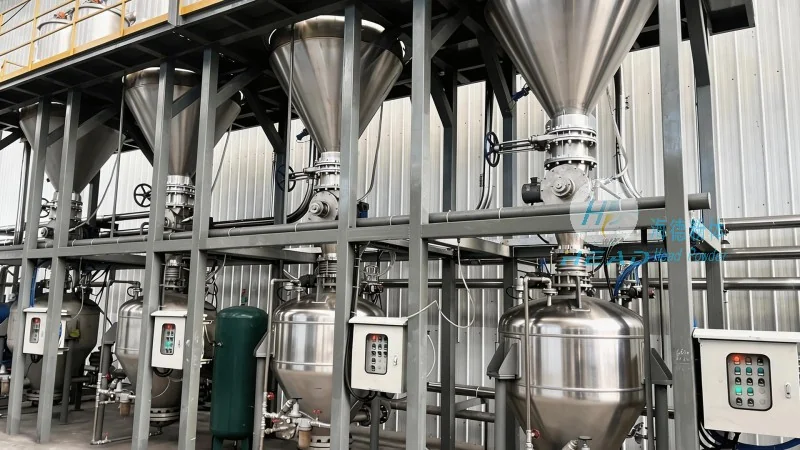
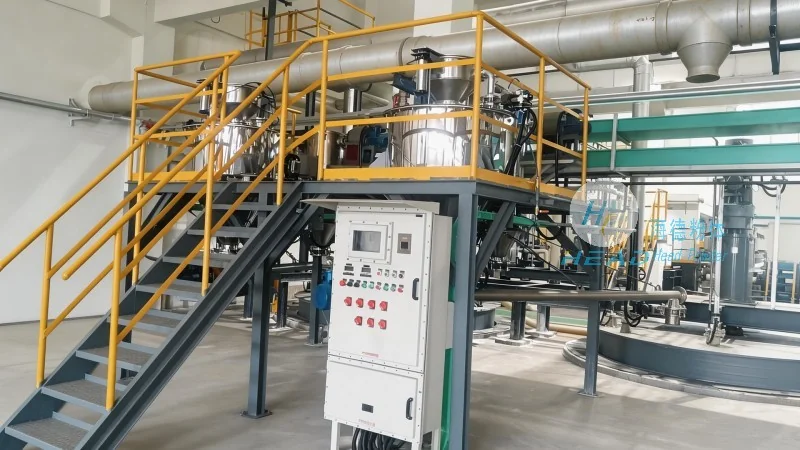
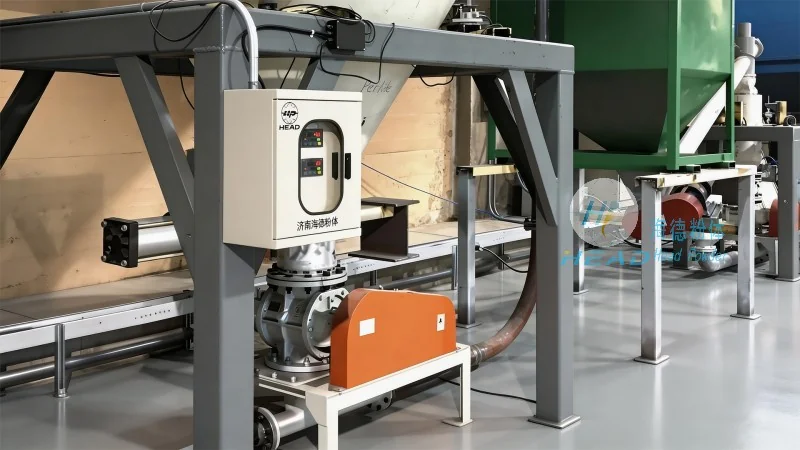
The vacuum-pressure mixed type system comprises several key components that work in tandem to ensure smooth material transport. These include a vacuum pump, a pressure blower, a hopper or feeder, a filter system, and a control panel. The vacuum pump is responsible for creating the initial suction to draw material from the source, while the pressure blower provides the necessary pressure to push the material forward through the pipeline. The hopper or feeder holds the bulk material and feeds it into the system at a controlled rate. The filter system ensures that the conveyed material is clean and free from contaminants, protecting downstream equipment and maintaining product quality. The control panel allows operators to monitor and adjust the system's parameters, such as pressure and flow rate, to optimize performance.
Design Principles and Operational Mechanics
The design of a vacuum-pressure mixed type pneumatic conveying system is based on several fundamental principles to ensure efficient and safe operation. One of the primary principles is the balance between suction and pressure forces. The system alternates between creating a vacuum to draw material from the source and applying pressure to move it through the pipeline. This cycle is controlled by the system's control panel, which adjusts the timing and duration of each phase to maintain a consistent flow rate. Another critical principle is the consideration of material properties. The system's design must account for the material's density, particle size, and flow characteristics to prevent blockages or uneven flow. For example, fine powders may require a higher air-to-material ratio to prevent clogging, while bulkier materials may need a lower ratio to maintain efficiency.
Advantages of Vacuum-Pressure Mixed Type Conveying
Compared to traditional vacuum or pressure conveying systems, the vacuum-pressure mixed type offers several advantages that make it a preferred choice for many industries. One of the key benefits is its ability to handle a wide range of materials, including those that are sensitive to moisture or temperature changes. The system's hybrid nature allows for better control over the material's environment, reducing the risk of degradation or contamination. Additionally, the system can transport materials over longer distances with less energy consumption compared to other methods. The ability to alternate between vacuum and pressure phases also helps in reducing wear and tear on components, extending the system's lifespan and reducing maintenance costs. This technology is often provided by companies like Shandong HeadPowder Engineering Co., Ltd., which specializes in designing and manufacturing such advanced material handling systems.
Applications in Industrial Settings
Vacuum-pressure mixed type pneumatic conveying systems are widely used in various industrial applications. In the food and pharmaceutical industries, these systems are employed to transport ingredients, powders, and granules while maintaining strict hygiene standards. The system's ability to handle fine powders and prevent cross-contamination makes it ideal for these sectors. In the chemical industry, the system is used to transport raw materials and finished products, ensuring safe and efficient handling of potentially hazardous substances. The mining industry also benefits from this technology, as it allows for the transportation of ore and other bulk materials from processing plants to storage facilities or for further processing.
Design Considerations for Optimal Performance
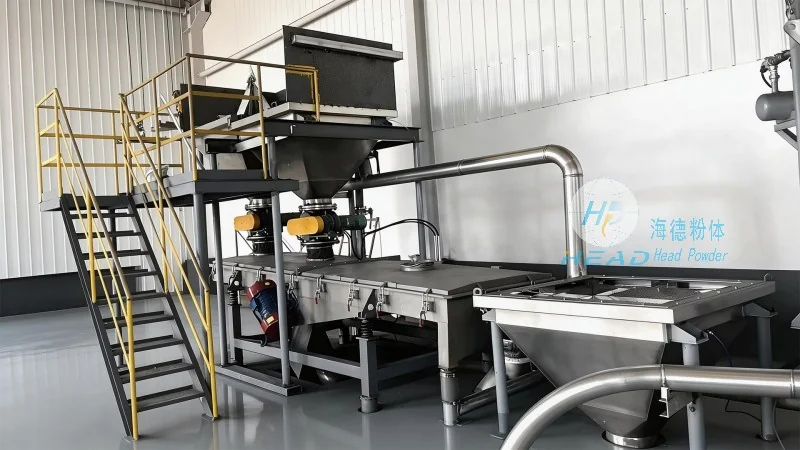
When designing a vacuum-pressure mixed type pneumatic conveying system, several factors must be considered to ensure optimal performance and longevity. The first consideration is the distance and layout of the conveying line. The system's design must account for the total length of the pipeline, including any bends, fittings, and vertical sections, as these can affect the system's efficiency and pressure requirements. The second consideration is the material's properties, as mentioned earlier. The system's components, such as the hopper and filter, must be selected based on the material's characteristics to prevent blockages and ensure smooth operation. The third consideration is the system's capacity and flow rate. The design must be able to handle the required material throughput while maintaining a consistent flow rate to avoid overloading or underloading the system. Finally, the system's safety features must be integrated to protect operators and equipment from potential hazards, such as pressure buildup or material spills.
Conclusion
Vacuum-pressure mixed type bulk material pneumatic conveying is a sophisticated and versatile technology that offers significant advantages over traditional material handling methods. By combining the benefits of vacuum and pressure conveying, this system provides efficient, reliable, and cost-effective transportation of bulk materials for a wide range of industrial applications. The design principles behind this technology, including the balance of suction and pressure forces, consideration of material properties, and optimization of system components, ensure that the system operates at its best. As industries continue to seek more efficient and sustainable material handling solutions, the vacuum-pressure mixed type system remains a top choice for many applications. Companies such as Shandong HeadPowder Engineering Co., Ltd. (headpowder) play a crucial role in developing and implementing these systems, ensuring that they meet the specific needs of various industries.