Efficient and reliable bulk powder handling equipment is crucial for the smooth operation of ship loading and unloading processes in the industrial sector. Such equipment ensures the safe and efficient transfer of bulk materials like cement, grain, and chemical powders from ships to storage facilities or vice versa. This article delves into the operation process and working principle of bulk powder handling equipment, highlighting its significance and the technical aspects that enable its effective performance.
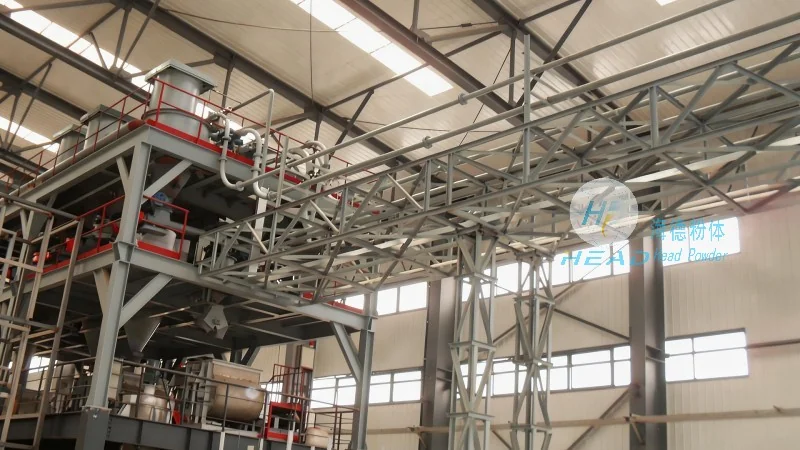
Introduction to Bulk Powder Handling Equipment for Ship Operations
HeadPowder, a leading manufacturer based in Shandong, China, specializes in providing advanced solutions for bulk material handling. The company's expertise lies in designing and manufacturing equipment that meets the stringent requirements of marine and industrial applications. The equipment discussed here is engineered to handle high volumes of powders with precision, ensuring minimal loss and maximum efficiency during ship-to-ship or ship-to-shore transfers.
Key Components and System Overview
The bulk powder handling system for ship operations typically consists of several integrated components that work in tandem to facilitate seamless material transfer. These components include a hopper for material storage, a conveyor system (such as a screw or pneumatic conveyor), a control panel for operational management, and a discharge mechanism for delivering the material to the intended destination. Each component is designed to withstand the harsh marine environment and handle the abrasive nature of bulk powders.
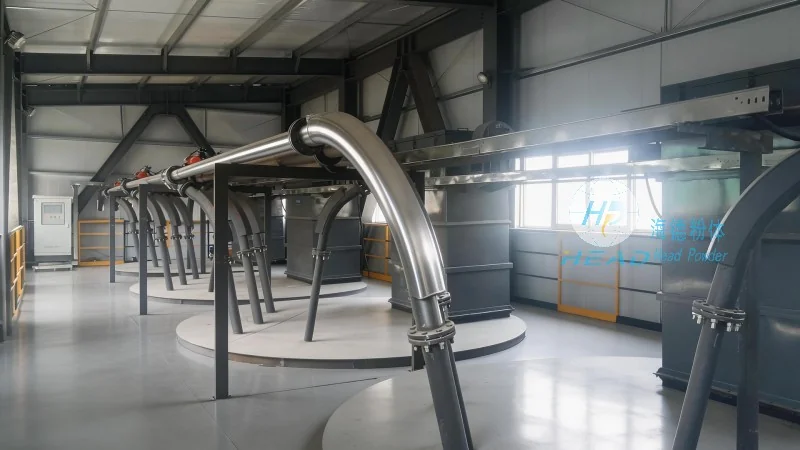
Operation Process: Step-by-Step Guide
The operation process of the bulk powder handling equipment begins with the loading of the hopper with the material to be transferred. The control panel is then activated, initiating the conveyor system. Depending on the system design, the material may be transported via a screw conveyor, which uses rotating screws to push the powder forward, or through a pneumatic system that uses air pressure to move the material through pipes. The discharge mechanism at the end of the conveyor then delivers the material to the storage silo or another vessel. The entire process is monitored by the control panel, which allows operators to adjust parameters such as speed and pressure to optimize performance and prevent blockages or overloading.
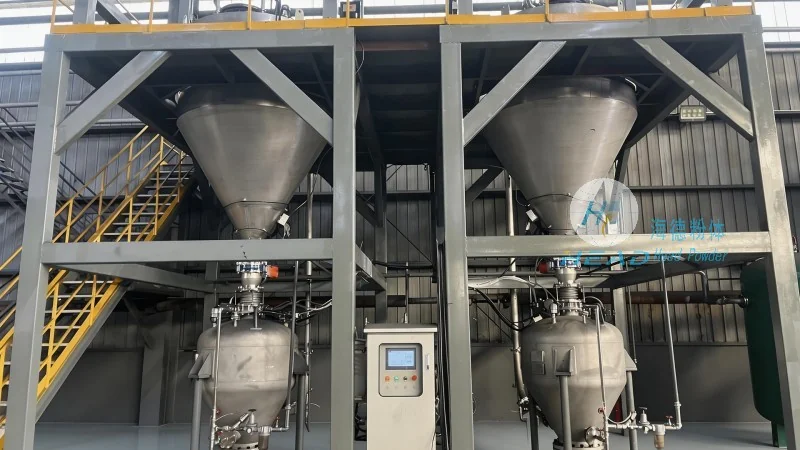
Working Principle: Mechanical and Pneumatic Systems
The working principle of bulk powder handling equipment for ship operations can be categorized into mechanical and pneumatic systems. Mechanical systems, like the screw conveyor, rely on the rotational motion of screws to move the material. The screws are designed with specific pitch and diameter to ensure the material is pushed forward without causing excessive friction or degradation. Pneumatic systems, on the other hand, utilize compressed air to create a flow of material through pipelines. The air pressure is carefully controlled to maintain a consistent flow rate, preventing the material from settling or clogging the pipes. Both systems are equipped with safety features such as pressure relief valves and overload sensors to ensure safe operation.
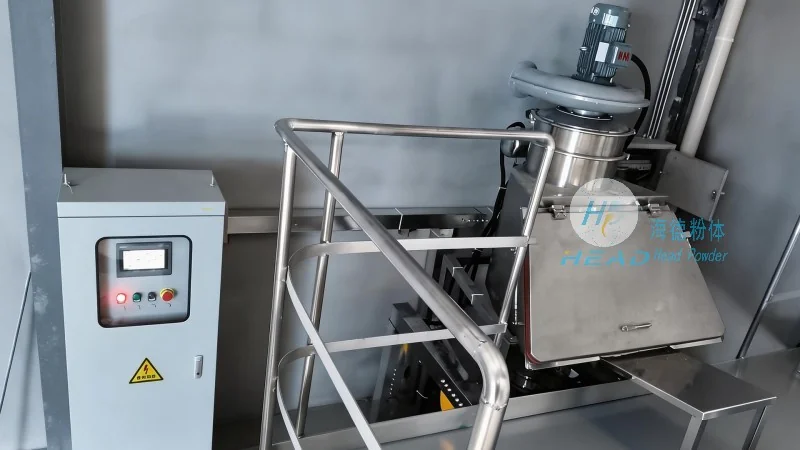
Advantages and Applications
Bulk powder handling equipment for ship operations offers several advantages, including high efficiency, low maintenance costs, and the ability to handle a wide range of materials. The equipment is particularly useful in industries such as cement production, grain storage, and chemical processing, where large volumes of powders need to be transferred between ships and land-based facilities. The equipment's design allows for minimal material loss, which is critical for maintaining product quality and reducing waste. Additionally, the equipment is designed to be scalable, allowing it to be customized to meet the specific needs of different applications.
Conclusion
Bulk powder handling equipment for ship operations is a critical component of modern industrial logistics. The equipment's operation process and working principle are designed to ensure efficient and safe material transfer, minimizing downtime and maximizing productivity. HeadPowder, with its expertise in manufacturing advanced handling solutions, continues to provide reliable equipment that meets the evolving needs of the industry. By understanding the operation process and working principle of such equipment, operators can optimize its performance and ensure its longevity, contributing to the overall efficiency of the ship loading and unloading process.




