Shandong HeadPowder Engineering Co., Ltd., a leading manufacturer based in Shandong, China, specializes in the design, production, and supply of advanced pneumatic conveying systems tailored for various industrial applications. This article explores the fundamental principles behind wood chip pneumatic conveying equipment, along with the specific working scenarios where such systems excel in material handling and processing.
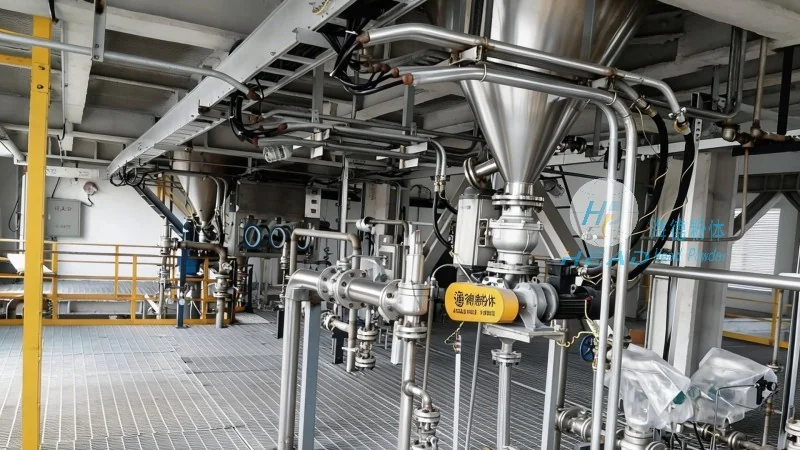
Introduction to Wood Chip Pneumatic Conveying Systems
Wood chip pneumatic conveying systems are engineered to efficiently transport wood chips, sawdust, and other lightweight particulate materials over short to medium distances. These systems utilize air as the primary medium to move the material, eliminating the need for mechanical components like belts or chains that are common in traditional bulk material handling. The technology is widely adopted in the wood processing industry, including sawmills, pellet production facilities, and biomass energy plants, where reliable and low-maintenance material transport is critical.
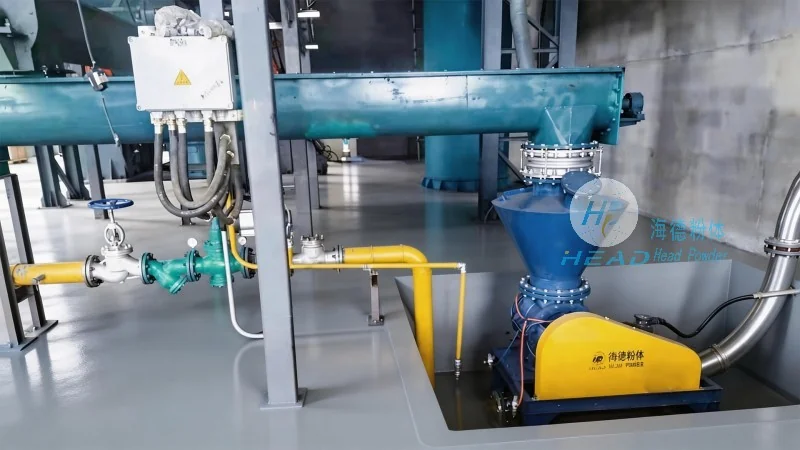
Working Principle of Pneumatic Conveying for Wood Chips
The core mechanism of wood chip pneumatic conveying involves the creation of a pressure differential between the inlet and outlet of the system. Air is drawn into the system through a fan or blower, which generates the necessary airflow to lift and propel the wood chips. The material is typically fed into the system via a hopper or feeder, where it is mixed with the air stream. As the air flows through the pipeline, it carries the wood chips forward, depositing them at the discharge point. The system can operate in either positive pressure or negative pressure modes, depending on the specific application and distance requirements. Positive pressure systems are generally used for short to medium distances, while negative pressure systems are more suitable for longer conveying runs or when dust control is a priority.
Key Working Scenarios and Applications
Wood chip pneumatic conveying equipment is particularly effective in several working scenarios, each tailored to meet the unique demands of different industrial processes. One common application is in sawmills, where the system efficiently transports wood chips from the cutting area to storage silos or processing units. This reduces labor costs and minimizes material loss compared to manual handling methods. Another scenario involves the transport of wood chips to pellet mills, where the material is further processed into biomass pellets for energy generation. The system ensures a consistent flow of raw material, enhancing the overall productivity of the pellet production line. Additionally, in biomass power plants, wood chip pneumatic conveyors are used to deliver fuel to the boiler, maintaining a steady supply of biomass for energy production. The versatility of these systems also makes them suitable for transferring wood chips from storage facilities to processing equipment in furniture manufacturing plants, ensuring smooth operations throughout the production cycle.
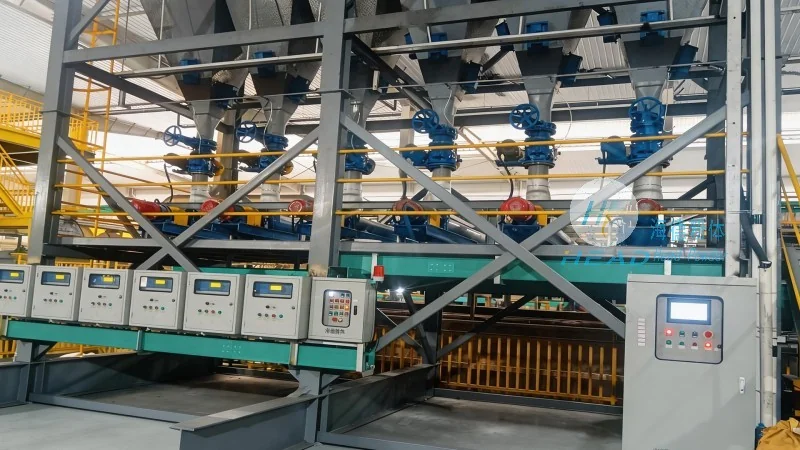
Technical Advantages and Practical Considerations
Wood chip pneumatic conveying systems offer several technical advantages that make them a preferred choice for material handling in the wood industry. Firstly, they provide a dust-free and hygienic transport environment, which is essential for maintaining product quality and compliance with environmental regulations. Unlike mechanical systems, pneumatic conveyors do not generate friction or wear that can introduce contaminants into the material. Secondly, these systems are highly flexible, allowing for easy reconfiguration or expansion as production needs change. The modular design enables the integration of additional conveying lines or components without major structural modifications. Thirdly, pneumatic conveyors are relatively low-maintenance, as they have fewer moving parts compared to traditional systems, reducing downtime and operational costs. However, practical considerations must be taken into account when implementing such systems. The selection of the appropriate air velocity is crucial to prevent material deposition or blockages in the pipeline. Additionally, the system must be designed to handle the specific characteristics of wood chips, such as their moisture content and particle size distribution, to ensure efficient and reliable operation. Proper filtration and air treatment systems are also essential to maintain air quality and prevent dust accumulation in the facility.




