Working Principle and Features of Carbon Black Powder Material Handling Equipment
Release time:2026-09-17 20:01:24
name of the company:Shandong Headpowder Engineering Co., Ltd.
telephone:156-6277-7102
contacts:Zhang manager
Carbon black powder, a vital additive in industries such as rubber, plastics, and coatings, demands efficient and reliable handling systems to ensure optimal processing and quality control. The material handling equipment designed for carbon black powder must address challenges like dust generation, particle size variability, and precise dosing. This article explores the working principles and key features of modern carbon black powder material handling equipment, highlighting how these systems enhance operational efficiency and product consistency.
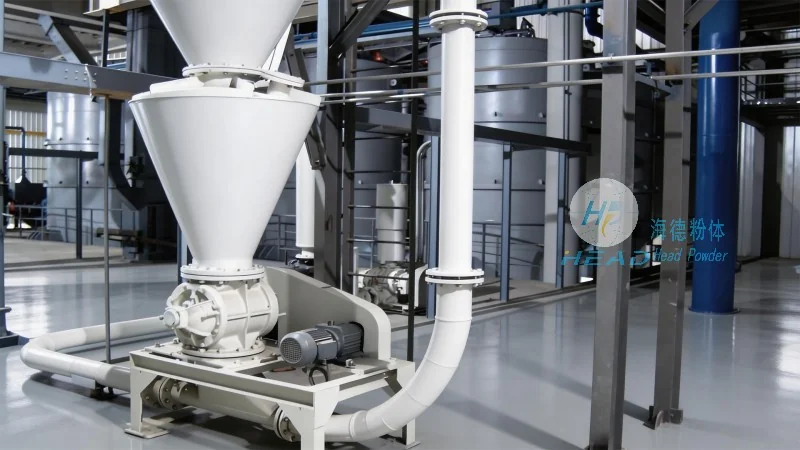
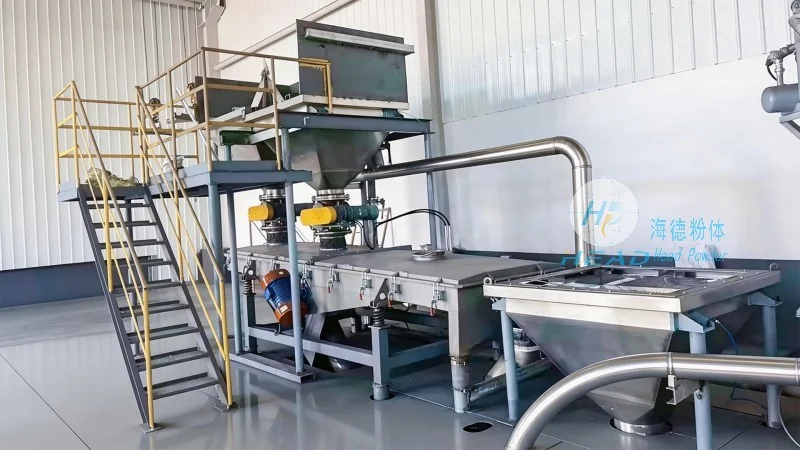
Working Principle of Carbon Black Powder Material Handling Equipment
The core working principle of carbon black powder material handling equipment centers on transferring fine powders from a source to a destination, typically via pneumatic or mechanical methods. Pneumatic systems utilize compressed air to suspend and transport the powder through pipelines, a method highly effective for carbon black due to its fine particle size. The equipment generally includes a hopper for storage, a feeder to regulate flow rate, and a pipeline system with valves and filters to manage the air-powder mixture. Mechanical systems, like screw or belt conveyors, are also employed, especially for bulk handling where air pollution control is a priority. These systems rely on mechanical force to move the powder, ensuring continuous and controlled transfer.
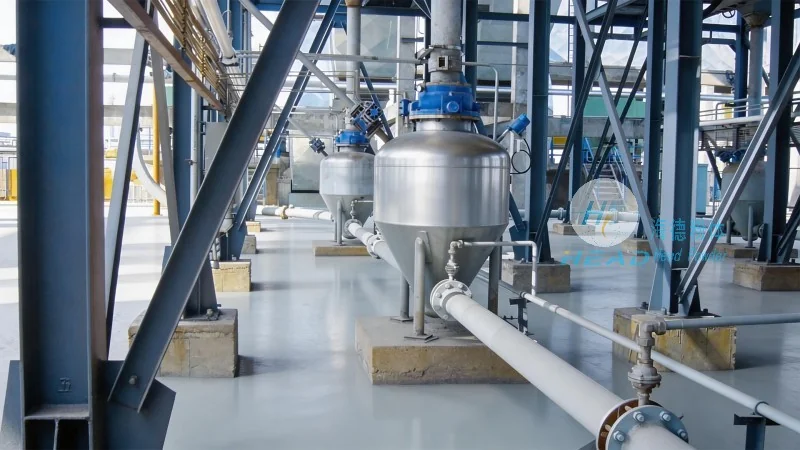
Key Features of Carbon Black Powder Material Handling Equipment
Modern carbon black powder material handling equipment is defined by several critical features that improve performance and user experience. A primary feature is minimizing dust generation, achieved through sealed hoppers and enclosed pipelines to maintain a clean environment and comply with regulations. Precision dosing is another essential feature, as carbon black is often used in precise formulations. Gravimetric or volumetric screw feeders ensure accurate measurement and delivery, reducing waste and improving product quality. Additionally, equipment is designed for easy maintenance and cleaning, crucial for handling carbon black due to its adhesion tendency. Corrosion-resistant materials, such as stainless steel, further extend lifespan and ensure chemical compatibility.
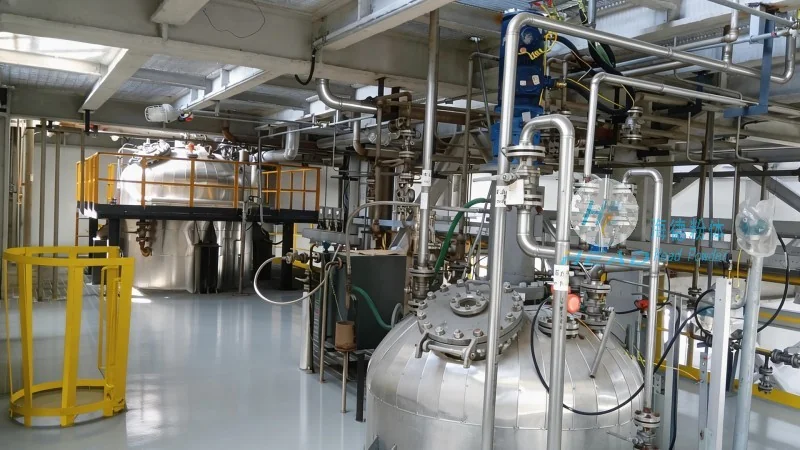
Application and Benefits in Industrial Settings
Carbon black powder material handling equipment is widely used in industrial settings where consistent material transfer is critical. In the rubber industry, for example, it ensures the correct carbon black dosage in tire manufacturing, impacting durability and performance. In plastics, the equipment maintains quality in carbon black-reinforced materials by preventing contamination and ensuring uniform distribution. Benefits include increased production efficiency, reduced labor costs, and improved product quality. Automation of the process enables higher throughput and lower operational costs, making it a valuable investment for industrial operations.




