When it comes to transporting gypsum, various methods are employed depending on the specific requirements of the application, the scale of operation, and the environmental conditions. Gypsum, a widely used industrial material, is often handled in bulk quantities, making the choice of an efficient and reliable transport system crucial for industrial processes. This article explores the different gypsum transport methods available and highlights the advantages and features of pneumatic conveying, a popular choice for modern gypsum handling operations.
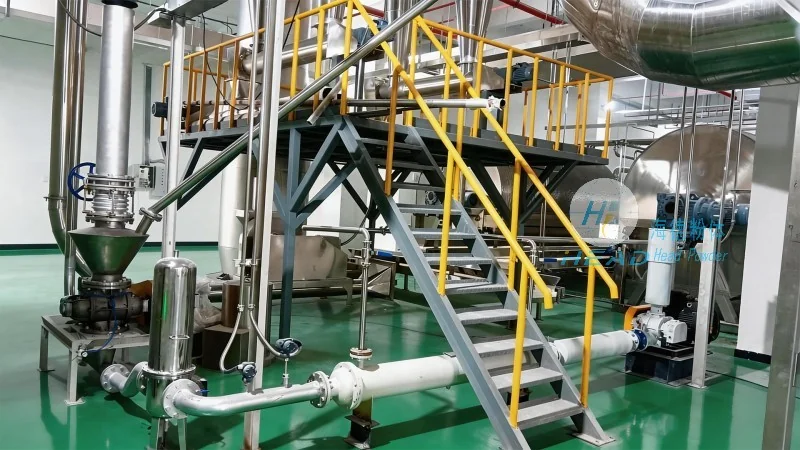
Gypsum Transport Methods Overview
Gypsum transport can be categorized into several primary methods, each with its own set of characteristics and applications. The most common approaches include gravity flow, mechanical conveying, and pneumatic conveying. Each method has its strengths and limitations, which influence its suitability for different industrial settings.
Gravity Flow Conveying
Gravity flow, also known as bulk material handling using inclines or chutes, relies on the natural force of gravity to move gypsum from one location to another. This method is typically used for short distances and when the material is relatively free-flowing. The primary advantage of gravity flow is its simplicity and low cost, as it requires minimal equipment and energy input. However, it is limited by the need for a suitable slope and may not be suitable for long distances or when the material is sticky or has a high moisture content.
Mechanical Conveying Systems
Mechanical conveying systems utilize machinery such as belt conveyors, screw conveyors, and bucket elevators to transport gypsum. These systems are widely used in industries where the material needs to be moved over longer distances or vertically. Belt conveyors, for instance, are effective for horizontal and slightly inclined transport, while screw conveyors are ideal for handling bulk materials in confined spaces. Bucket elevators are commonly used for vertical transport, allowing gypsum to be lifted to higher levels. Mechanical conveying offers good control over the material flow and can handle a wide range of gypsum types. However, it may require more maintenance and has higher energy consumption compared to other methods.
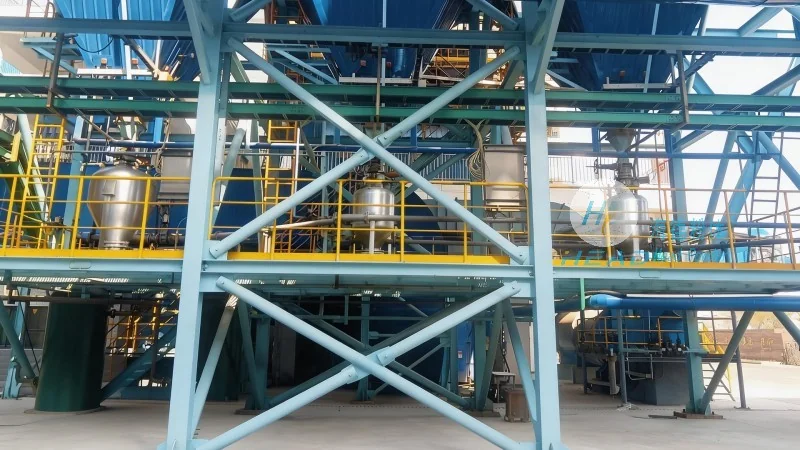
Pneumatic Conveying: The Preferred Method for Gypsum Handling
Pneumatic conveying, or air-based transport, is a method that uses a stream of air to move gypsum particles through a pipeline. This technique is particularly effective for handling fine or powdery gypsum, as it can transport the material over long distances with minimal loss and high efficiency. The process involves creating a vacuum or pressure differential to draw or push the gypsum through the system. Pneumatic conveying offers several advantages that make it a preferred choice for many industrial applications.
Advantages of Gypsum Pneumatic Conveying
One of the key advantages of pneumatic conveying is its high efficiency and speed. The system can transport gypsum quickly and continuously, reducing downtime and increasing productivity. This is especially beneficial in industries where large volumes of gypsum need to be moved regularly. Additionally, pneumatic conveying is highly flexible, as it can be easily integrated into existing industrial setups and adapted to changing production needs. The system can handle various gypsum types, including fine powders and granules, without causing degradation or contamination.
Another significant advantage is the safety and cleanliness of pneumatic conveying. Unlike mechanical systems that may generate dust or require regular cleaning, pneumatic systems are enclosed, minimizing the risk of dust exposure and environmental contamination. This makes it an ideal choice for applications where dust control is critical, such as in food processing or pharmaceutical industries. Furthermore, pneumatic conveying reduces the need for manual handling, improving workplace safety and reducing the risk of accidents.
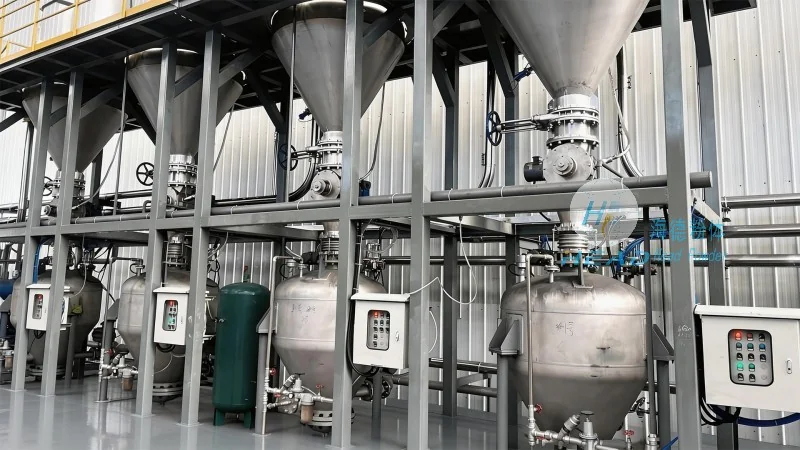
Key Features of Gypsum Pneumatic Conveying Systems
Gypsum pneumatic conveying systems are designed with several key features to ensure optimal performance. These include the use of high-quality materials to withstand the corrosive nature of gypsum, advanced control systems for precise flow regulation, and efficient filtration to maintain air quality. The systems are also equipped with safety features such as pressure relief valves and emergency shut-off mechanisms to prevent accidents and ensure smooth operation.
Shandong HeadPowder Engineering Co., Ltd., a leading manufacturer of gypsum handling equipment, specializes in providing customized pneumatic conveying solutions tailored to the specific needs of clients. With years of experience in the industry, the company has developed advanced systems that combine efficiency, reliability, and safety. The company's products are designed to meet the highest standards of performance and are backed by comprehensive technical support and after-sales service.
By choosing pneumatic conveying for gypsum transport, industries can enhance their operational efficiency, reduce costs, and improve overall productivity. The system's ability to handle bulk quantities with minimal labor and maintenance makes it a cost-effective solution for long-term gypsum handling operations. As the demand for efficient and sustainable material transport continues to grow, pneumatic conveying remains a top choice for modern industrial applications.




