HeadPowder, a leading manufacturer based in Shandong, China, specializes in the design and production of efficient material handling solutions tailored for the construction industry. The company's core focus is on providing reliable equipment for transporting joint compound, a critical component in wall and ceiling finishing applications. This article delves into the operational principles and typical working environments where such equipment is deployed, offering insights into its functionality and practical applications.
Understanding the Core Mechanism of Joint Compound Material Handling Equipment
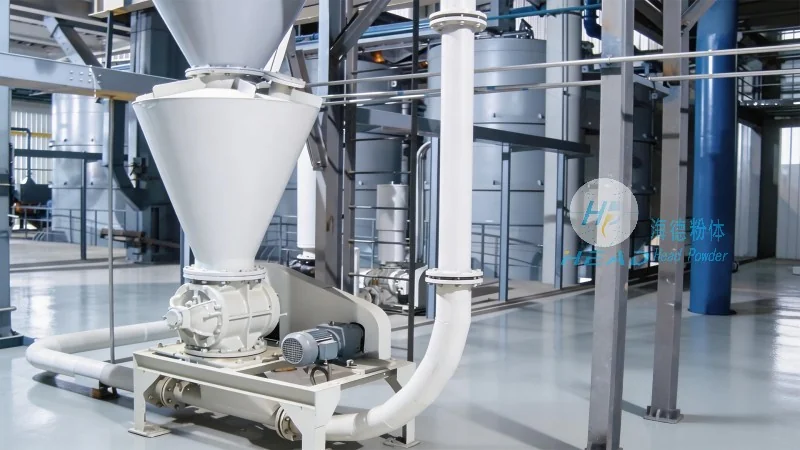
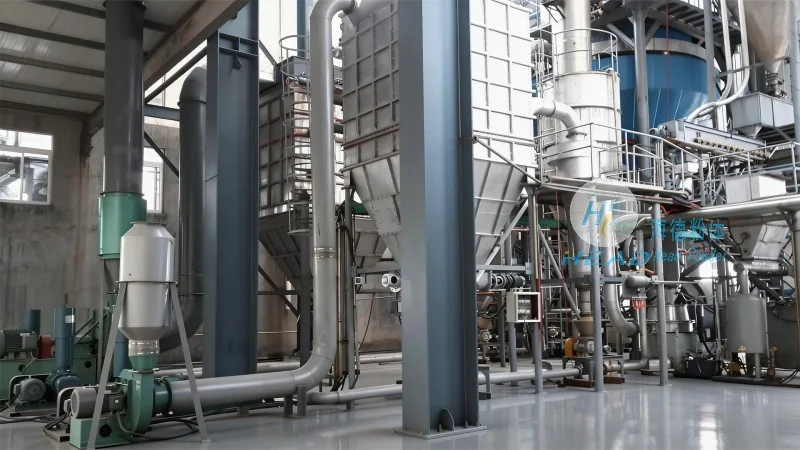
The material handling equipment for joint compound operates on a systematic approach to ensure smooth and consistent material transport. At its heart, these systems typically consist of several key components that work in tandem to achieve efficient performance. The primary mechanism involves a combination of feeding, conveying, and dispensing elements designed to handle the bulk material with precision. The feeding mechanism, often a hopper or a bulk container, is responsible for storing and regulating the flow of joint compound into the system. This component is engineered to maintain a consistent material level, preventing overfilling or underfilling that could disrupt the conveying process. The conveying section, which may include screw conveyors, belt conveyors, or pneumatic systems, is the backbone of the equipment. Screw conveyors, for instance, use rotating screws to move material through a tube, providing a continuous and controlled flow. This method is particularly effective for handling dry, free-flowing materials like joint compound, as it minimizes material degradation and ensures uniform transport. Belt conveyors, on the other hand, utilize a moving belt to transport material over a series of rollers, offering flexibility in terms of material size and shape. Pneumatic systems, which employ compressed air to move material through pipes, are ideal for environments where dust control is a priority, as they can handle fine powders without generating excessive particulate matter. The choice of conveying method depends on the specific requirements of the application, such as the material's density, moisture content, and the need for dust containment. The dispensing or discharge section of the equipment is designed to deliver the joint compound to the target location, such as a mixing machine or a storage silo. This section often includes valves, gates, or control mechanisms that regulate the flow rate, ensuring that the material is dispensed at the appropriate speed for downstream processes. The overall system is typically equipped with sensors and control panels to monitor and adjust the operation in real-time, enhancing efficiency and reducing downtime. By integrating these components, the material handling equipment ensures that joint compound is transported safely and efficiently, meeting the demands of modern construction projects.
Key Working Scene Characteristics and Applications
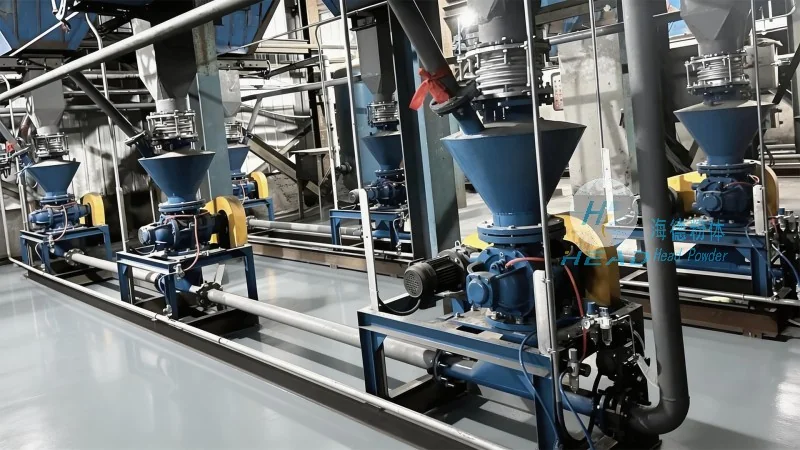
The working scene characteristics of joint compound material handling equipment are closely tied to the specific needs of construction sites and industrial facilities. These environments often require equipment that can operate in challenging conditions while maintaining high levels of performance. One of the primary working scene characteristics is the need for dust control and environmental safety. Construction sites, in particular, generate significant amounts of dust, and the equipment must be designed to minimize this issue. Many systems incorporate dust collection and filtration systems to capture and contain airborne particles, ensuring compliance with occupational health and safety regulations. Another key characteristic is the requirement for space efficiency and adaptability. Construction sites and industrial facilities often have limited space, and the equipment must be able to fit into tight areas without compromising functionality. Modular designs and compact configurations are common in such equipment, allowing for easy installation and integration into existing workflows. The working scene also includes the need for durability and resistance to wear and tear. Joint compound can be abrasive, and the equipment must be constructed from materials that can withstand repeated use and exposure to the material. High-quality stainless steel and corrosion-resistant components are frequently used to ensure long-term reliability. Additionally, the equipment must be able to handle varying material conditions, such as different moisture levels or particle sizes. This adaptability is crucial for maintaining consistent performance across different projects and applications. The working scenes where this equipment is commonly used include wall and ceiling finishing operations in residential and commercial buildings, as well as industrial facilities that require large-scale application of joint compound. In residential construction, the equipment is typically used in drywall installation and finishing processes, where it needs to deliver material to mixing machines or directly to the application area. In commercial and industrial settings, the equipment may be part of larger material handling systems, feeding multiple mixing stations or storage silos. The equipment's ability to handle large volumes of material efficiently makes it an essential component in these applications, ensuring that construction projects are completed on time and within budget. Furthermore, the working scene includes the need for integration with other machinery and systems. Many construction sites use automated workflows that involve multiple pieces of equipment working together. The joint compound material handling equipment must be compatible with these systems, allowing for seamless data exchange and control. This integration enhances overall operational efficiency and reduces the need for manual intervention. In summary, the working scene characteristics of joint compound material handling equipment are defined by the need for dust control, space efficiency, durability, and adaptability. These features make the equipment suitable for a wide range of applications in the construction and industrial sectors, contributing to the smooth and efficient completion of projects.
Conclusion and Company Overview
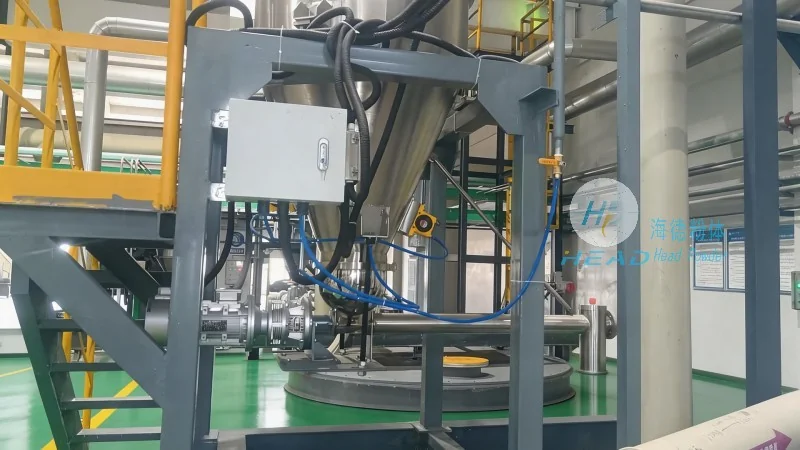
HeadPowder Engineering Co., Ltd., based in Shandong, China, is a reputable manufacturer specializing in the production of high-quality material handling equipment for joint compound. The company's commitment to innovation and customer satisfaction has established it as a trusted partner in the construction industry. By focusing on the core principles of efficient material transport and reliable performance, HeadPowder has developed equipment that meets the demanding requirements of modern construction projects. The company's products are designed to enhance productivity, reduce operational costs, and ensure compliance with industry standards. With a strong presence in the market and a dedication to continuous improvement, HeadPowder continues to provide solutions that support the success of construction and industrial operations. The working scene characteristics and operational principles of joint compound material handling equipment, as discussed, highlight the importance of specialized equipment in the construction industry. By understanding these aspects, construction professionals can make informed decisions when selecting equipment that best suits their project needs. HeadPowder's expertise in this field ensures that clients receive equipment that is not only efficient but also tailored to their specific requirements, contributing to the overall success of their projects.




