For industries dealing with ceramic materials, efficient material handling is crucial to maintaining production efficiency and product quality. This article explores the fundamentals of ceramic material handling and the key design principles that underpin effective systems, presented by Shandong HeadPowder Engineering Co., Ltd., a leading provider in the field.
Defining Ceramic Material Handling
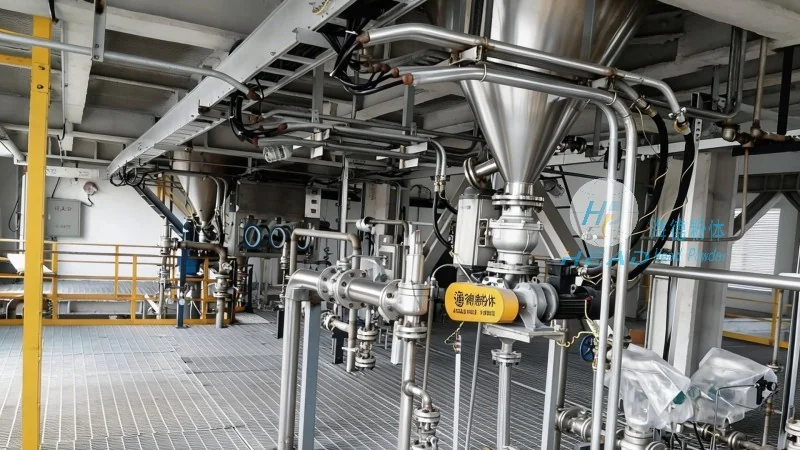
Ceramic material handling refers to the processes and technologies used to move, store, and manage ceramic raw materials, intermediate products, and finished goods throughout the manufacturing cycle. This encompasses a range of activities from raw material reception and storage to in-process handling and final product dispatch. The goal is to ensure that materials are handled safely, efficiently, and with minimal risk of damage or contamination, which are critical factors in the ceramic industry where precision and consistency are paramount.
Key Design Principles for Ceramic Material Handling Systems
The design of ceramic material handling systems must adhere to several fundamental principles to ensure optimal performance. These principles are tailored to the unique characteristics of ceramic materials, such as their brittleness, varying sizes, and sometimes abrasive nature. A well-designed system balances functionality with durability, safety, and cost-effectiveness.
1. Material Compatibility and Handling Equipment Selection
Choosing the right equipment is the first critical step in designing a ceramic material handling system. Materials like clay, glazes, and finished ceramic products require handling methods that prevent breakage or contamination. For example, bulk materials like raw clay are often handled using bulk handling equipment such as conveyors, silos, and feeders. These systems are designed to minimize material impact and friction, reducing the risk of product damage. Similarly, finished ceramic items, which may be fragile or have delicate surfaces, require gentle handling solutions like pallet jacks, forklifts with specialized attachments, or automated guided vehicles (AGVs) equipped with soft grips or cushioned surfaces.
2. System Integration and Flow Optimization
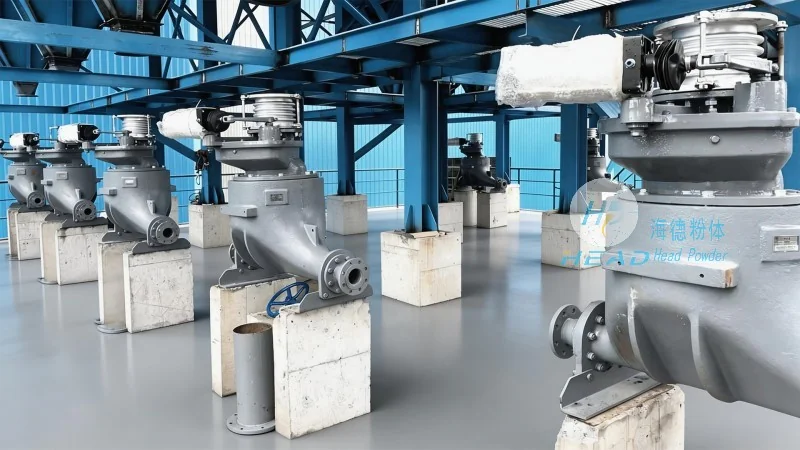
An effective ceramic material handling system is integrated with the overall production workflow. This involves designing a flow that minimizes material movement and handling steps, thereby reducing operational costs and the potential for errors. The principle of "flow optimization" focuses on creating a smooth, continuous process from raw material intake to finished product output. This may involve strategic placement of storage areas, conveyor systems, and processing equipment to create a logical sequence of operations. For instance, storing raw materials close to the production line reduces the distance materials need to be transported, saving time and energy. Additionally, using automated systems for material transfer between processes can enhance flow consistency and reduce the need for manual intervention, which is essential for maintaining high production standards.
3. Safety and Ergonomics Considerations
Given the potential hazards associated with handling ceramic materials, safety is a non-negotiable design principle. This includes protecting workers from physical injuries, such as cuts or falls, and preventing exposure to dust or other contaminants. Ergonomic design is also crucial to reduce worker fatigue and improve productivity. For example, conveyor systems with adjustable heights and controls can be designed to fit the physical capabilities of operators, reducing the risk of repetitive strain injuries. Furthermore, implementing dust collection systems and using sealed containers for handling powders can protect both workers and the environment from harmful particles. These safety measures not only comply with regulations but also contribute to a positive work environment and lower long-term operational costs by minimizing accidents and downtime.
4. Durability and Maintenance
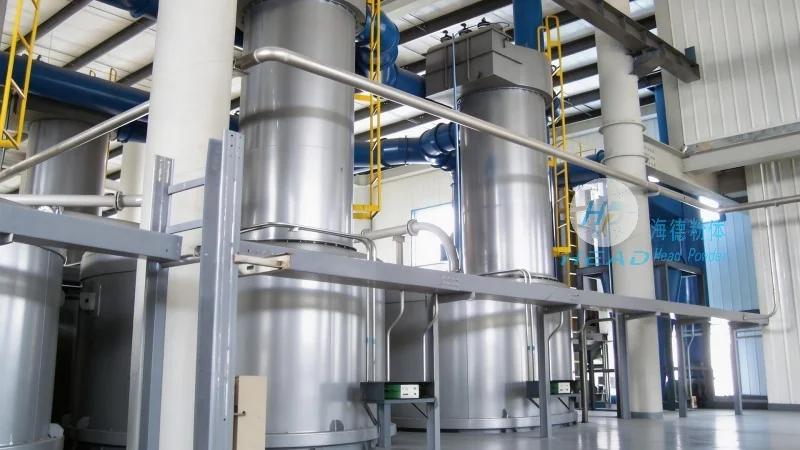
Ceramic material handling systems are often exposed to harsh conditions, including abrasive materials, high temperatures, and heavy loads. Therefore, durability is a key design consideration. Materials used in equipment such as conveyor belts, hoppers, and storage silos must be resistant to wear and corrosion. For instance, stainless steel or high-grade plastics are commonly used for components that come into direct contact with ceramic materials to prevent contamination and extend equipment life. Regular maintenance is also essential to ensure the longevity of the system. A well-designed system includes easy access points for maintenance, allowing for quick inspections and repairs without disrupting production. This proactive approach to maintenance helps prevent unexpected breakdowns and ensures the system operates at peak efficiency over its lifespan.
5. Scalability and Flexibility
As production needs evolve, material handling systems must be able to adapt. Scalability and flexibility are important design principles that allow a system to grow with the business. This may involve modular components that can be added or removed as needed, or systems that can handle a variety of material types without major modifications. For example, a conveyor system with adjustable speed and direction can be used to handle different sizes and weights of ceramic products. Similarly, storage solutions like multi-level shelving or automated storage and retrieval systems (AS/RS) can be expanded to accommodate increased inventory levels. By incorporating these features, a ceramic material handling system remains effective even as production scales up or product lines diversify.
Conclusion
Designing an effective ceramic material handling system requires a careful balance of technical expertise, material knowledge, and practical considerations. By adhering to key design principles such as material compatibility, flow optimization, safety, durability, and scalability, manufacturers can create systems that enhance productivity, reduce costs, and ensure product quality. Shandong HeadPowder Engineering Co., Ltd. specializes in providing tailored material handling solutions that meet these principles, helping ceramic manufacturers achieve their operational goals efficiently and reliably.




