What is White Clay Material Handling? And What Are Its Design Principles?
Release time:2026-09-15 19:01:16
name of the company:Shandong Headpowder Engineering Co., Ltd.
telephone:156-6277-7102
contacts:Zhang manager
White clay material handling is a specialized process in the industrial sector that focuses on the efficient movement, storage, and processing of white clay, a crucial raw material used in various industries such as paper, rubber, and cosmetics. The effective handling of white clay is essential for maintaining product quality, optimizing production efficiency, and ensuring safety in industrial operations. This article explores the fundamental aspects of white clay material handling, including its design principles and practical applications.
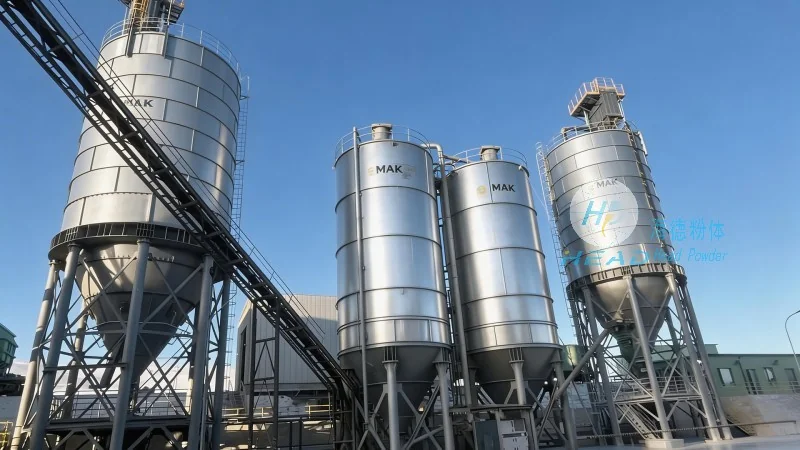
About HeadPowder: Your Trusted Partner in Material Handling Solutions
HeadPowder, or Shandong HeadPowder Engineering Co., Ltd., is a leading company based in Shandong, China, dedicated to providing innovative and reliable material handling solutions. With years of experience in the industry, HeadPowder specializes in designing and manufacturing equipment tailored to the unique needs of white clay processing. The company's commitment to quality, customer satisfaction, and technological advancement has made it a trusted name in the field of material handling for white clay and other similar materials.
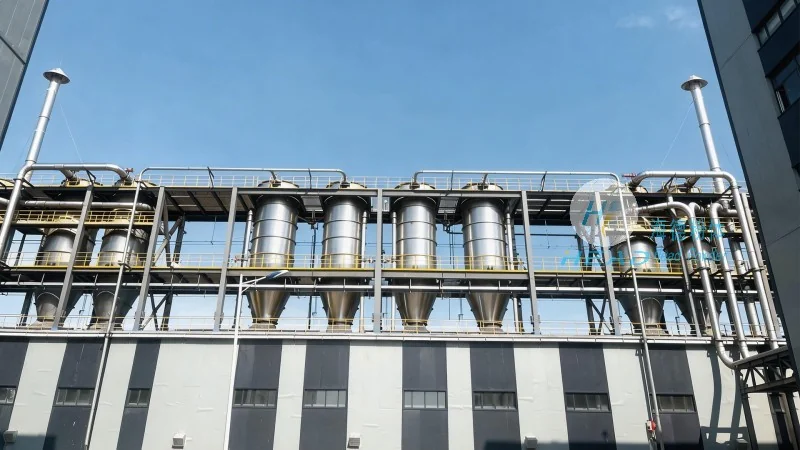
Key Design Principles for White Clay Material Handling Systems
The design of white clay material handling systems involves several critical principles that ensure optimal performance and reliability. These principles include:
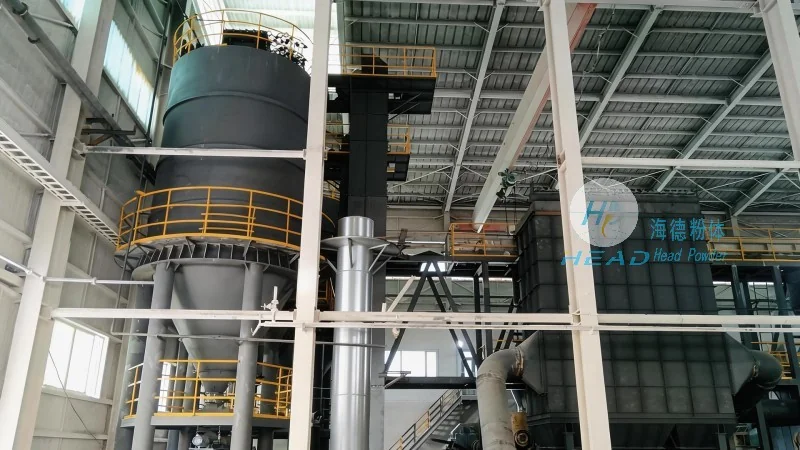
- Material Compatibility: Ensuring that the equipment and materials used are compatible with white clay to prevent contamination and equipment wear. White clay is often fine and abrasive, requiring materials like stainless steel or special coatings to handle it effectively.
- Efficient Flow Control: Implementing systems that maintain consistent and controlled flow of white clay to avoid blockages, agglomeration, or uneven distribution. This includes the use of appropriate conveyors, hoppers, and feeding mechanisms.
- Prevention of Dust and Contamination: Incorporating dust control measures and cleanroom practices to maintain the purity of white clay, which is critical for applications where quality is paramount, such as in the production of high-grade paper or cosmetics.
- Energy Efficiency: Designing systems that minimize energy consumption while maximizing throughput. This involves selecting the right type of conveyor (e.g., belt conveyors, screw conveyors) and optimizing the system layout to reduce unnecessary movement and friction.
- Safety and Maintenance: Integrating safety features and easy-to-maintain components to ensure the long-term reliability and safety of the material handling system. Regular maintenance and access to spare parts are essential for minimizing downtime and operational costs.
Components and Equipment Used in White Clay Material Handling
White clay material handling systems typically consist of several key components and equipment, each playing a vital role in the overall process. These include:
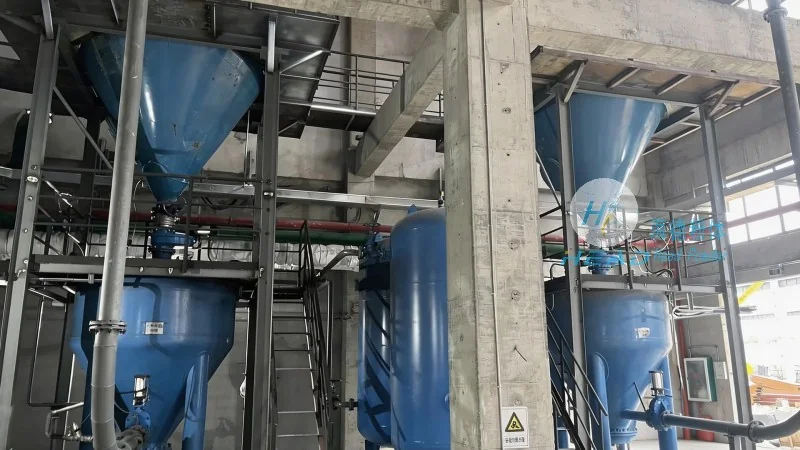
- Feeders and Hoppers: Used to store and feed white clay into the system. Hoppers are designed to prevent material buildup and ensure a steady flow of material to the conveyor or processing equipment. Feeders, such as rotary or vibratory feeders, control the rate of material discharge.
- Conveyors: The primary equipment for transporting white clay from one location to another. Belt conveyors are commonly used for horizontal or slight incline transport, while screw conveyors are ideal for vertical or inclined transport due to their ability to handle fine materials without blockages.
- Screening and Separation Equipment: Used to remove impurities or oversized particles from the white clay. Vibrating screens or air classifiers are often employed to ensure the material meets the required specifications for downstream processes.
- Drying and Conditioning Systems: In some applications, white clay may need to be dried or conditioned before further processing. Drying equipment, such as rotary dryers or fluidized bed dryers, can be integrated into the material handling system to achieve the desired moisture content.
- Pneumatic Conveying Systems: For applications requiring the transport of white clay over longer distances or in enclosed environments, pneumatic conveying systems use air pressure to move the material through pipes. This method is particularly effective for handling fine powders and preventing dust dispersion.
Applications of White Clay Material Handling in Industries
White clay material handling is integral to various industries where white clay is a key raw material. Some of the main applications include:
- Paper Manufacturing: White clay is used as a filler and coating in paper production to improve brightness, opacity, and surface smoothness. Efficient material handling ensures that the clay is evenly distributed and processed to meet the quality standards of the final paper product.
- Rubber and Tire Manufacturing: White clay is used as a filler in rubber compounds to enhance strength, durability, and abrasion resistance. Proper material handling is crucial to maintain the purity and consistency of the clay, which directly impacts the performance of the final rubber products.
- Cosmetics and Personal Care Products: White clay is used in cosmetics as a natural ingredient for its absorbent and whitening properties. The material handling process must be hygienic and clean to prevent contamination and ensure the safety of the final cosmetic products.
- Construction Materials: White clay is used in the production of paints, coatings, and other construction materials. The efficient handling of white clay ensures that the final products have the desired consistency and quality.
Conclusion: The Importance of Effective White Clay Material Handling
Effective white clay material handling is essential for optimizing industrial processes, maintaining product quality, and ensuring operational efficiency. By adhering to the key design principles and utilizing appropriate equipment, industries can achieve reliable and cost-effective handling of white clay. HeadPowder, with its expertise and commitment to quality, offers tailored material handling solutions that meet the specific needs of white clay processing, helping businesses enhance their productivity and competitiveness in the market.




