White clay, a common industrial raw material, often requires specialized handling and transportation systems due to its unique physical and chemical properties. Material handling for white clay involves the efficient movement of this material from one location to another, whether for processing, storage, or distribution. This process is critical in industries such as ceramics, paper manufacturing, and chemical production, where white clay serves as a key component. Understanding the mechanisms and design principles behind white clay material handling is essential for optimizing operational efficiency and ensuring product quality. Shandong HeadPowder Engineering Co., Ltd., a leading provider of industrial material handling solutions, specializes in designing and implementing systems tailored to the specific needs of white clay processing.
Key Components of White Clay Material Handling Systems
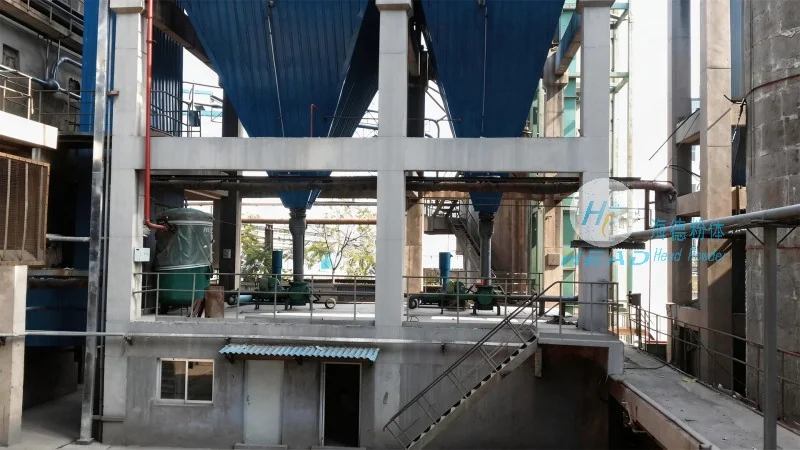
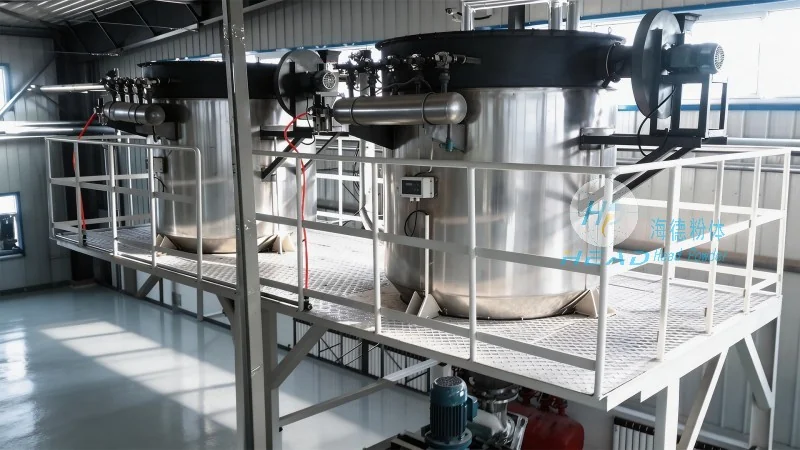
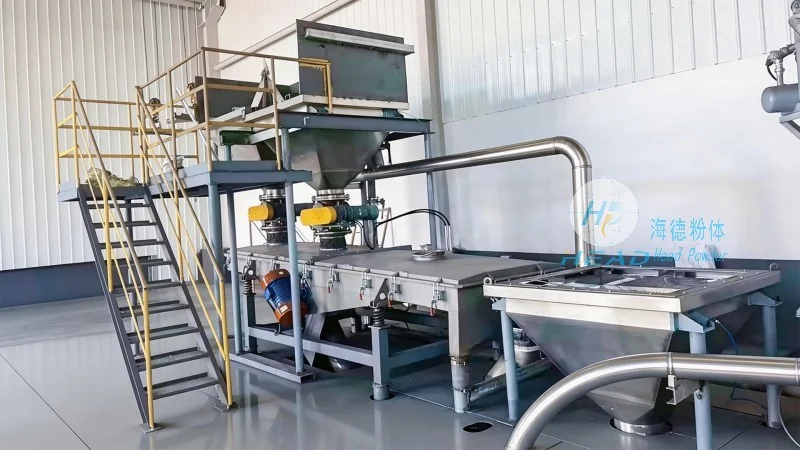
The design of a white clay material handling system typically involves several key components that work in tandem to ensure smooth operation. These components include feeders, conveyors, storage silos, and control systems. Feeders are used to regulate the flow of white clay from storage bins or hoppers into the conveyor system. Common types of feeders include rotary valves, vibratory feeders, and screw conveyors. Rotary valves are widely used for their ability to handle a wide range of materials and provide a controlled flow rate. Vibratory feeders are effective for materials with poor flowability, as the vibration helps to break up clumps and ensure a consistent feed. Screw conveyors are suitable for materials that are free-flowing and require horizontal or slight incline transport. The selection of the feeder type depends on factors such as the particle size distribution, moisture content, and the required flow rate. Conveyors, on the other hand, are responsible for transporting the white clay over longer distances. Belt conveyors are the most common type, offering high capacity and durability. They are suitable for both horizontal and inclined transport, with the ability to handle large volumes of material. Screw conveyors are often used for vertical or inclined transport, especially when the material needs to be elevated. Pneumatic conveyors, or air slides, are used for fine powders and require low maintenance. However, they are less efficient for bulk materials and may not be suitable for white clay with high moisture content. Storage silos or hoppers are used to store the white clay before it is processed, providing a buffer to maintain a consistent supply to the handling system. These silos are often designed with a conical bottom to facilitate the flow of material and prevent clogging. The size and capacity of the silo are determined by the production rate and the storage duration required. Control systems, including sensors and automation equipment, monitor the flow rate, level, and other parameters to ensure the system operates within optimal conditions. Level sensors are used to detect the material level in the silo, triggering the feeder to adjust the flow rate as needed. Flow sensors monitor the rate of material passing through the conveyor, providing feedback to the control system. This closed-loop control system helps maintain a stable and efficient material handling process.
Design Principles for Efficient White Clay Material Handling
The design of a white clay material handling system is guided by several key principles aimed at maximizing efficiency, minimizing downtime, and ensuring the quality of the material. One of the primary principles is the minimization of material degradation. White clay particles are often fragile and can break down or become contaminated during handling, which affects the final product quality. To address this, the system design emphasizes gentle handling, such as using low-speed conveyors and avoiding sharp turns or impacts. Additionally, the system is designed to maintain consistent moisture levels, as fluctuations can affect the flowability and processing characteristics of the white clay. This is achieved through moisture control systems and proper storage conditions. Another important principle is the optimization of energy consumption. Efficient motor selection, variable speed drives, and the use of energy-saving conveyor designs help reduce operational costs. The system is also designed for easy maintenance and cleaning to minimize downtime. Regular maintenance schedules and easy access to components allow for quick repairs and cleaning, ensuring the system remains operational. Furthermore, the design considers the scalability of the system, allowing for future expansion as production needs grow. This involves using modular components that can be easily added or modified without major system overhauls. By adhering to these design principles, the material handling system for white clay can achieve high performance and reliability.
Applications and Benefits of White Clay Material Handling Systems
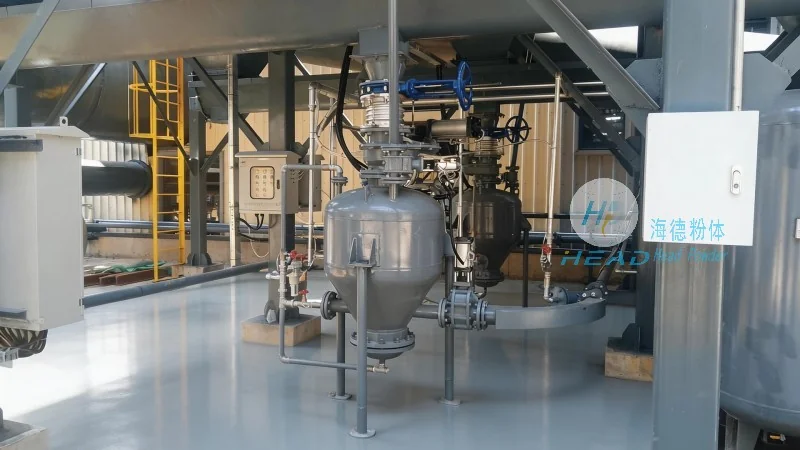
White clay material handling systems are widely used in various industrial applications, contributing to the efficiency and productivity of production processes. In the ceramics industry, white clay is a primary ingredient in the production of porcelain and other ceramic products. The material handling system ensures a steady supply of high-quality white clay to the production lines, which is crucial for maintaining consistent product quality. In the paper manufacturing industry, white clay is used as a filler and coating material, improving the paper's brightness and smoothness. The efficient handling of white clay ensures that the paper production process runs smoothly, with minimal interruptions. In the chemical industry, white clay is used in the production of various chemicals and pigments, where consistent material supply is essential for maintaining product specifications. The benefits of a well-designed white clay material handling system extend beyond operational efficiency. It also contributes to cost savings by reducing material waste and minimizing downtime. By ensuring the material is handled gently and consistently, the system helps maintain the material's quality, reducing the need for reprocessing or waste disposal. Additionally, the automation and control systems in modern material handling systems enhance safety by reducing the risk of accidents and exposure to dust or other hazards. Overall, the design and implementation of white clay material handling systems play a critical role in the success of industrial operations that rely on this essential raw material.




