Barley material handling is a critical process in the agricultural and food processing industries, focusing on the efficient movement and management of barley grains from storage to processing stages. This process involves various equipment and systems designed to ensure the safe, efficient, and cost-effective transfer of barley, which is a key raw material for brewing, animal feed, and other applications. Understanding the principles behind these systems is essential for optimizing operations and maintaining product quality.
Overview of Barley Material Handling Systems
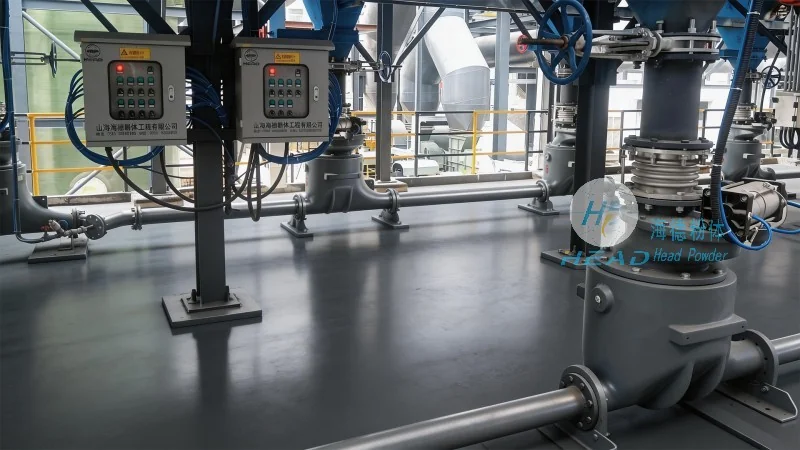
Barley material handling systems are engineered to handle the unique characteristics of barley, such as its size, shape, and moisture content. These systems typically include components like hoppers, conveyors, elevators, and storage silos, each playing a specific role in the material flow. The design of these systems must consider factors like grain flow, friction, and the need to minimize breakage or contamination, which can affect the final product's quality and market value.
Key Components of Barley Material Handling
The core components of a barley material handling system include storage structures, feeding mechanisms, conveying equipment, and processing units. Storage silos or bins are used to store harvested barley, protecting it from moisture and pests while allowing for controlled release. Feeding mechanisms, such as rotary valves or screw conveyors, regulate the flow of barley from storage to the next stage. Conveying equipment, including belt conveyors, bucket elevators, and pneumatic systems, transports barley horizontally or vertically with precision. Processing units may include cleaning equipment to remove impurities and grading systems to sort barley by size or quality.
Design Principles for Efficient Barley Handling
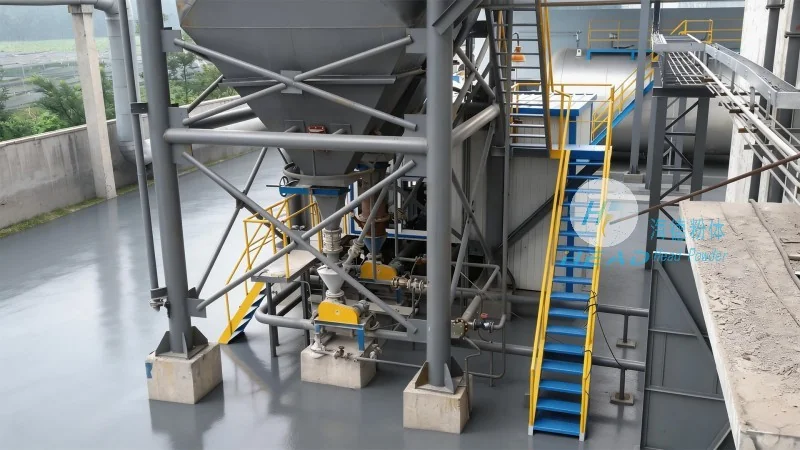
The design principles for barley material handling prioritize efficiency, durability, and product integrity. One key principle is the use of gentle handling to prevent grain damage, as broken kernels can affect the brewing process or reduce nutritional value. Another principle is the integration of automation and control systems to optimize flow rates and reduce labor costs. Material selection is also critical; components in contact with barley must be non-corrosive, non-toxic, and easy to clean to maintain hygiene standards. Additionally, the system's layout should minimize the number of transfer points and the distance grains travel, reducing energy consumption and operational costs.
Role of Material Handling in the Barley Processing Industry
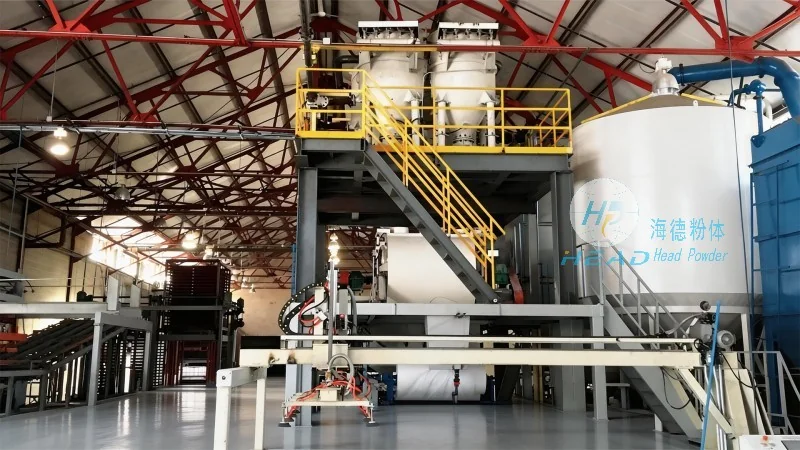
In the barley processing industry, effective material handling is integral to the overall production workflow. From the farm to the mill, the movement of barley must be seamless to ensure timely processing and minimize storage losses. For breweries, consistent supply of high-quality barley is crucial for producing stable and flavorful beer. For animal feed manufacturers, uniform barley feed is essential for maintaining animal health and productivity. The design of material handling systems must align with the specific requirements of each end-use, whether it's for human consumption, animal feed, or industrial applications.
Challenges and Solutions in Barley Material Handling
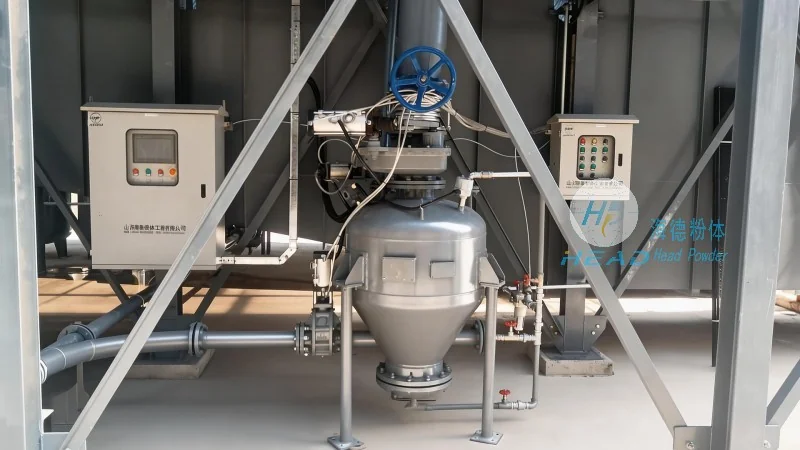
Several challenges can arise in barley material handling, including grain flow problems, equipment wear, and contamination risks. Grain flow issues, such as bridging or rat-holing, can be addressed through proper hopper design and the use of aeration systems to improve flowability. Equipment wear, particularly in high-traffic areas like conveyors and elevators, is mitigated by using durable materials and regular maintenance schedules. Contamination risks are minimized through the use of closed systems, proper cleaning protocols, and the integration of quality control measures at each stage of the process.
Conclusion: The Importance of Well-Designed Barley Material Handling
Well-designed barley material handling systems are essential for the efficiency and profitability of barley processing operations. By adhering to the principles of gentle handling, efficient flow, and robust design, these systems ensure the consistent delivery of high-quality barley to processing facilities. The integration of modern technology and materials in these systems continues to improve performance, reduce costs, and enhance product quality. For businesses in the barley industry, investing in reliable material handling solutions is a strategic decision that directly impacts their operational success and market competitiveness.




