Aluminum foil powder conveyors are specialized equipment designed to handle and transport aluminum foil powders efficiently. These systems are crucial in various industrial applications where the handling of fine aluminum powders is required. The design of such conveyors is tailored to address the unique challenges associated with aluminum foil powders, including their light weight, tendency to form dust clouds, and potential for static electricity.
Understanding the Core Components of Aluminum Foil Powder Conveyors
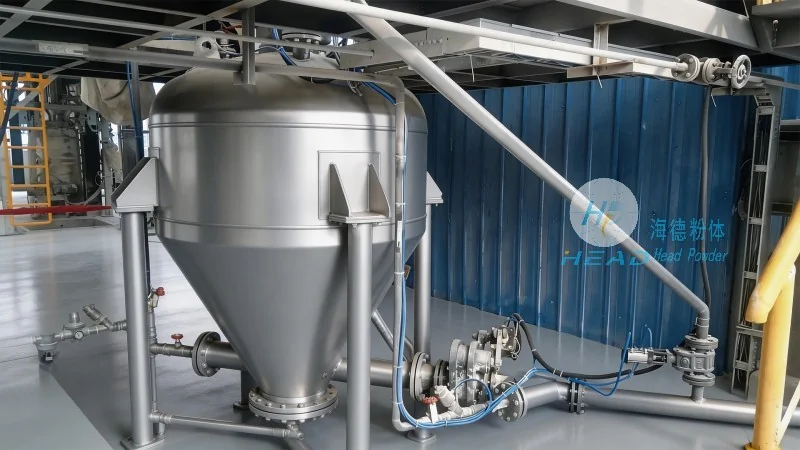
The design of an aluminum foil powder conveyor typically involves several key components that work in tandem to ensure reliable and safe operation. These components include the hopper, which serves as the storage and feeding section, the conveyor mechanism (such as a screw or pneumatic system), and the control system that regulates the flow of the powder. The hopper is often equipped with a discharge valve or gate to control the release of the powder into the conveyor system. The conveyor mechanism is designed to move the aluminum foil powder from the hopper to the discharge point, ensuring a consistent and controlled flow. The control system may include sensors and valves to monitor and adjust the flow rate as needed.
Design Principles for Efficient Aluminum Foil Powder Handling
Efficient design of aluminum foil powder conveyors focuses on several key principles to ensure optimal performance. One of the primary principles is the prevention of material buildup and blockages, which can occur due to the fine nature of aluminum foil powders. This is achieved through the use of smooth, non-stick surfaces and appropriate incline angles in the conveyor design. Another critical principle is the management of static electricity, as aluminum powders are prone to generating static charges. Conveyors may incorporate grounding mechanisms or anti-static materials to mitigate this issue and prevent sparks or electrical discharges. Additionally, the design considers the need for dust containment and filtration to maintain a clean and safe working environment. Proper sealing and dust collection systems are integrated into the conveyor to prevent the release of fine powders into the air and to comply with safety regulations.
The Role of Material Selection in Conveyor Design
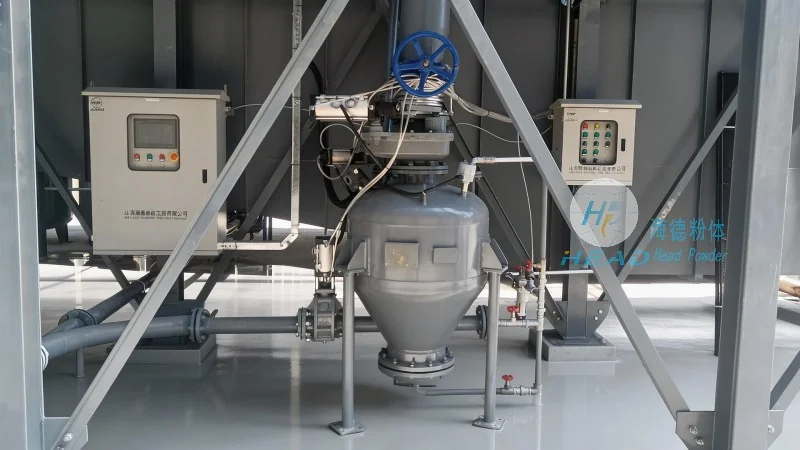
Material selection plays a vital role in the design of aluminum foil powder conveyors. The components that come into direct contact with the aluminum powder must be resistant to corrosion and wear, as aluminum powders can be abrasive and may cause chemical reactions with certain materials. Stainless steel and specialized alloys are commonly used for the construction of hoppers and conveyor parts due to their durability and resistance to corrosion. The conveyor mechanisms, such as screws or belts, are often made from materials that minimize friction and prevent the accumulation of powder on the surface. This helps maintain the efficiency of the conveyor and reduces the risk of blockages. Furthermore, the selection of materials considers the need for easy cleaning and maintenance, as regular cleaning is essential to prevent the buildup of powder residues that could affect performance or safety.
Application-Specific Design Considerations
The design of aluminum foil powder conveyors is often tailored to specific industrial applications, such as in the production of aluminum foil, aerospace, or pharmaceutical industries. For example, in the aluminum foil manufacturing process, the conveyor may need to handle large volumes of fine aluminum powders with high precision to ensure uniform coating on the foil. In aerospace applications, the conveyor may be designed to handle smaller, more controlled quantities of aluminum powders for use in composite materials. The design may also consider the need for integration with other processing equipment, such as mixers or extruders, to create a seamless production line. Each application requires careful consideration of the powder characteristics, flow rates, and environmental conditions to ensure the conveyor meets the specific requirements of the process.
Operational Considerations and Maintenance
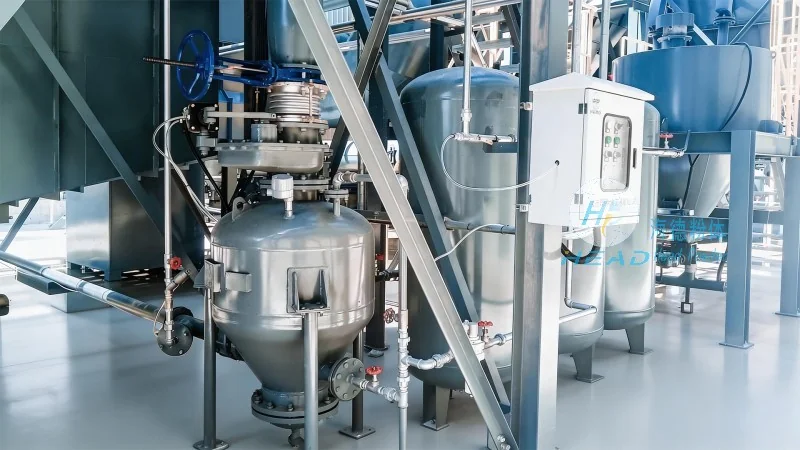
Operational considerations are essential for the effective use of aluminum foil powder conveyors. Proper operation involves monitoring the flow rate and pressure within the system to ensure consistent performance. Regular maintenance is crucial to prevent issues such as blockages, wear, or corrosion. This includes routine cleaning of the hopper and conveyor components, checking for any signs of wear on the conveyor mechanism, and inspecting the control system for proper functionality. The maintenance schedule may vary depending on the volume of powder handled and the operating conditions, but regular inspections are recommended to ensure the conveyor operates efficiently and safely. Additionally, training operators on the proper use and maintenance of the conveyor is important to prevent accidents and ensure the longevity of the equipment.
Conclusion: The Importance of Well-Designed Aluminum Foil Powder Conveyors
In conclusion, aluminum foil powder conveyors are essential equipment in industries that handle aluminum foil powders, and their design is critical to ensuring efficient and safe operation. The design principles, including material selection, component integration, and operational considerations, all contribute to the effective handling of aluminum foil powders. By understanding the unique challenges associated with aluminum foil powders and implementing appropriate design solutions, these conveyors can provide reliable performance and contribute to the overall success of industrial processes. The expertise of companies like Shandong HeadPowder Engineering Co., Ltd., with their focus on specialized conveyor systems, plays a vital role in meeting the diverse needs of industries that rely on aluminum foil powder handling.




