Welcome to the world of industrial powder handling solutions, where efficiency and precision are paramount. In this article, we delve into the specifics of peanut powder conveying machines, exploring their fundamental functions and the intricate design principles that underpin their operation. As a leading manufacturer in the field, Shandong HeadPowder Engineering Co., Ltd. specializes in creating advanced equipment tailored to meet the unique demands of powder processing industries.
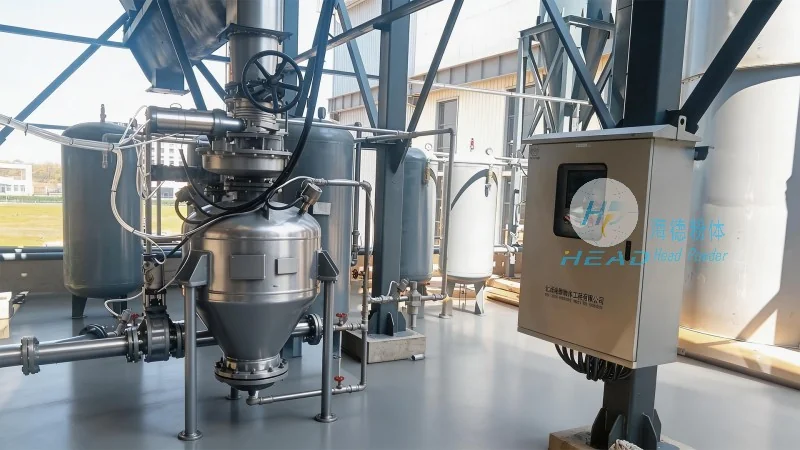
Understanding the Core Function of Peanut Powder Conveying Equipment
Peanut powder conveying machines are specialized devices designed to transport and handle peanut powder efficiently and safely. These machines are integral to various stages of peanut processing, from raw material handling to packaging. The primary function is to move the fine, often dusty peanut powder from one location to another within a production facility. This process is critical for maintaining workflow continuity and ensuring that the powder reaches its intended destination without loss or contamination. The machinery employs various mechanisms, such as pneumatic or mechanical systems, to achieve this objective. Pneumatic conveying systems, for instance, use compressed air to move the powder through pipelines, while mechanical systems rely on screw conveyors or belt systems to transport the material. Both approaches aim to provide a reliable and consistent method of powder transfer, which is essential in industries where product quality and consistency are non-negotiable.
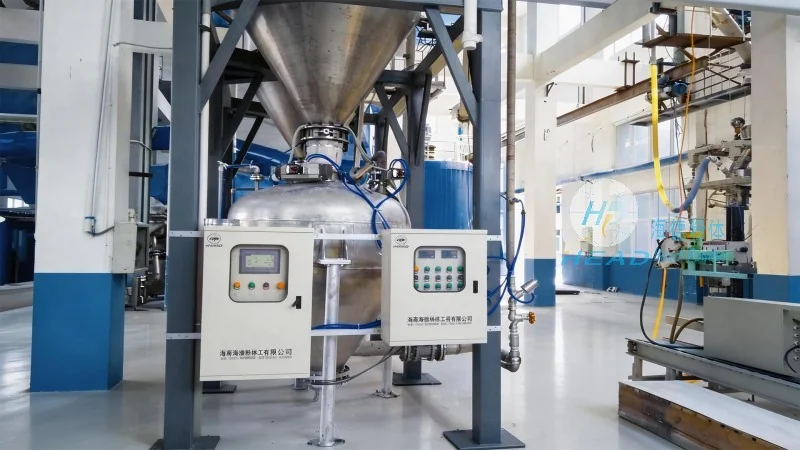
Key Design Principles Behind the Machinery
The design of peanut powder conveying machines is governed by several critical principles that ensure optimal performance and longevity. These principles include material compatibility, dust control, and energy efficiency. Material compatibility is a primary consideration, as the equipment must be constructed from materials that are resistant to the chemical properties of peanut powder and any potential additives. Common materials used in the construction of these machines include stainless steel, which offers excellent corrosion resistance and hygiene standards, making it ideal for food processing applications. The design also incorporates features to minimize dust generation and control, as airborne powder can pose health risks and affect product quality. This is achieved through sealed systems, proper sealing of components, and the use of filters to capture any released particles. Energy efficiency is another key design principle, as the machinery operates continuously and consumes significant power. Engineers focus on optimizing the conveying systems to minimize energy consumption while maintaining the required throughput. This involves selecting appropriate air pressures, adjusting conveyor speeds, and using efficient motor drives to achieve the best balance between performance and energy use.
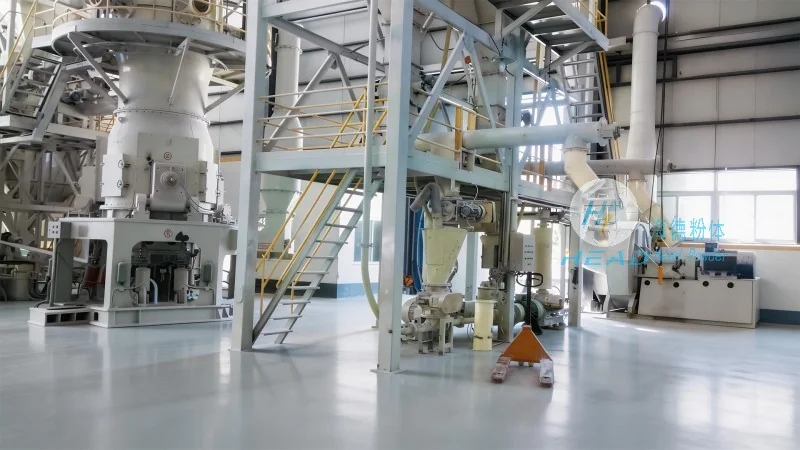
Technical Specifications and Operational Features
Technical specifications of peanut powder conveying machines vary based on the specific application and production scale. These machines are typically equipped with adjustable speed controls, allowing operators to modify the conveying rate according to the volume of powder being handled. This flexibility is crucial in dynamic production environments where demand fluctuates. The machines also feature safety mechanisms, such as emergency stop buttons and overload protection, to prevent accidents and equipment damage. Additionally, many models include monitoring systems that track key operational parameters, such as pressure, flow rate, and temperature, providing real-time data for maintenance and performance optimization. The operational features of these machines are designed to enhance user experience and operational reliability. For example, some models have self-cleaning mechanisms to prevent clogging and ensure consistent performance over time. The integration of advanced control systems, such as PLC (Programmable Logic Controllers), allows for automated operation and remote monitoring, further improving efficiency and reducing labor costs.
Application Scenarios and Industry Use Cases
Peanut powder conveying machines find applications across a wide range of industries, primarily in food processing and pharmaceutical manufacturing. In the food industry, these machines are used in peanut processing plants to transport ground peanuts from grinding stations to packaging lines. This ensures that the powder is handled hygienically and efficiently, maintaining the quality of the final product. The machinery is also utilized in the production of peanut-based products, such as peanut butter and peanut flour, where consistent powder flow is essential for uniform product quality. In the pharmaceutical industry, similar conveying equipment is employed to handle powdered ingredients used in the formulation of medications. The strict hygiene and contamination control requirements of the pharmaceutical sector make the design and operation of these machines particularly critical. Additionally, the machines are used in research and development laboratories to transport and mix powdered samples, supporting scientific experiments and product development. The versatility of peanut powder conveying machines makes them suitable for various other applications, including chemical processing and agricultural product handling, where fine powders need to be moved safely and efficiently.
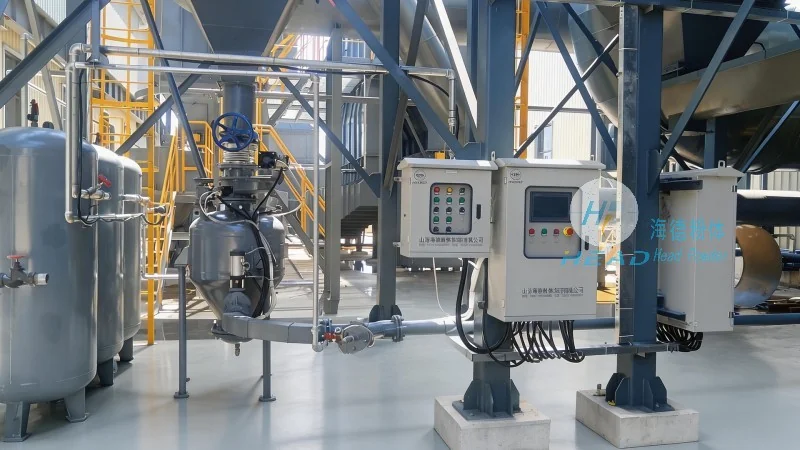
Company Information and Contact Details
Shandong HeadPowder Engineering Co., Ltd. is a leading manufacturer of advanced powder handling equipment, specializing in the design and production of peanut powder conveying machines. The company is headquartered in Shandong, China, and has established itself as a trusted provider of high-quality industrial solutions. With a commitment to innovation and customer satisfaction, HeadPowder Engineering focuses on delivering machinery that meets the evolving needs of the powder processing industry. The company's products are engineered to be durable, efficient, and easy to maintain, ensuring long-term reliability and performance. For inquiries or further information about their peanut powder conveying machines and other industrial equipment, interested parties can contact the company at their headquarters in Shandong, China.




