Understanding the design principles and functionality of a rice powder conveyor is essential for industries dealing with bulk powder handling, particularly in the food processing sector. This article provides a detailed overview of rice powder conveyors, focusing on their operational mechanisms and engineering design to help professionals in the industry make informed decisions.
Introduction to Rice Powder Conveyors
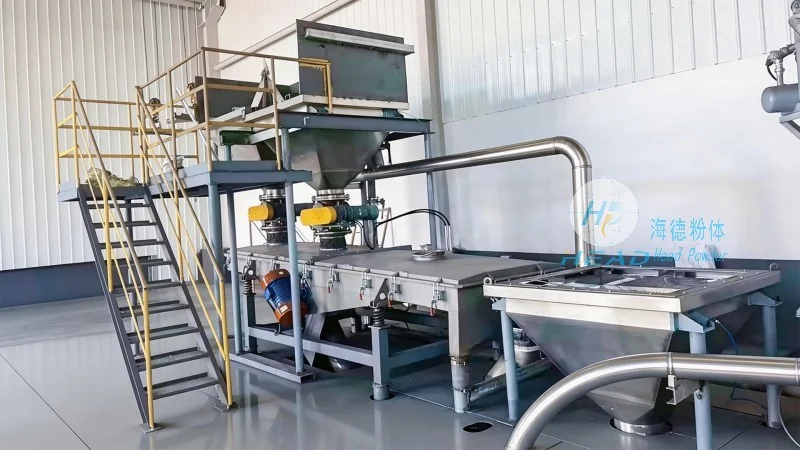
A rice powder conveyor is a specialized piece of equipment designed to transport rice powder or other similar fine powders from one location to another within a processing facility. These conveyors are crucial in maintaining the quality and integrity of the powder, especially in applications where contamination or agglomeration must be minimized. The design of such conveyors is tailored to handle the unique properties of rice powder, including its fine particle size, potential for static electricity, and susceptibility to caking or bridging.
Key Design Principles of Rice Powder Conveyors
The design of a rice powder conveyor incorporates several critical principles to ensure efficient and reliable operation. One of the primary considerations is the prevention of powder buildup and blockages, which can occur due to the fine particle size and cohesive nature of rice powder. To address this, conveyors often feature smooth, non-stick surfaces and inclined chutes to facilitate gravity-assisted flow. Additionally, the use of aeration or vibration systems is common to prevent caking and ensure consistent material movement.
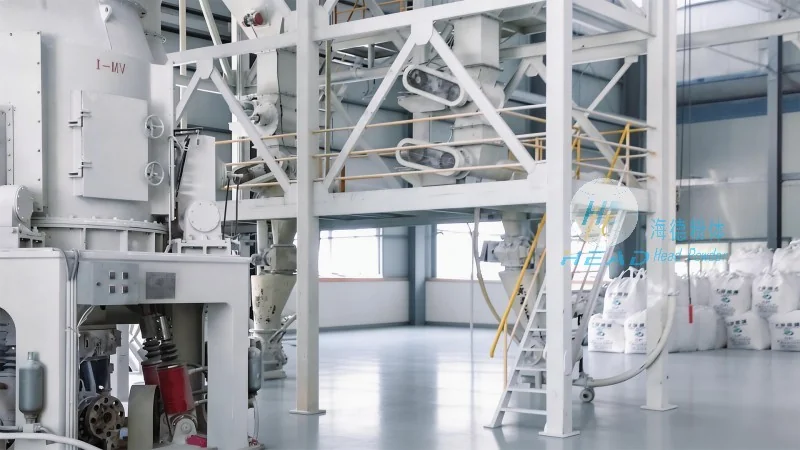
Another important design principle is the control of static electricity. Rice powder, like many other fine powders, can generate static charges during handling, which may lead to dust explosions or material sticking to surfaces. Therefore, many rice powder conveyors are equipped with grounding mechanisms or anti-static additives to mitigate these risks. The material selection for the conveyor components is also critical; materials such as stainless steel or food-grade plastics are commonly used to ensure hygiene and durability.
Components and Operational Mechanisms
Rice powder conveyors typically consist of several key components that work together to achieve efficient material transport. The main components include a hopper for material storage, a conveying mechanism (such as a screw or pneumatic system), and a discharge outlet. The hopper is designed to minimize the risk of powder bridging, often with a conical or hopper-shaped design to promote flow. The conveying mechanism may be a screw conveyor, which uses a rotating screw to push the powder forward, or a pneumatic conveyor, which uses air pressure to transport the powder through a pipeline.
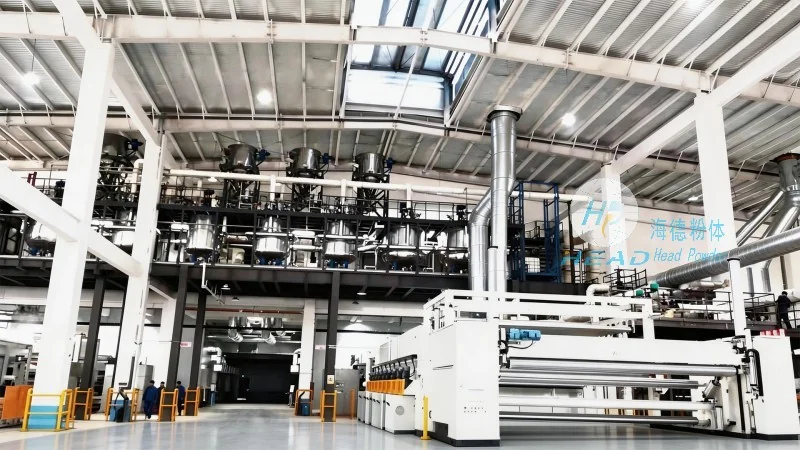
The screw conveyor is a popular choice for rice powder due to its ability to handle fine powders without causing excessive wear or contamination. The screw flights are designed to be smooth and non-stick, reducing the risk of material accumulation. The speed of the screw can be adjusted to control the flow rate and prevent overloading. The pneumatic conveyor, on the other hand, is ideal for long-distance transport or when the powder needs to be transported through a closed system. It uses compressed air to create a flow of powder, which is often more energy-efficient for certain applications.
Applications and Benefits in Rice Processing
Rice powder conveyors are widely used in various stages of rice processing, from milling and polishing to packaging. In the milling process, conveyors are used to transport the ground rice powder from the milling machine to storage silos or packaging lines. This ensures a continuous and efficient flow of material, reducing downtime and improving productivity. The benefits of using a rice powder conveyor include improved safety, as it eliminates the need for manual handling of fine powders, and enhanced product quality, as the powder is handled in a controlled environment that minimizes contamination and degradation.
Additionally, rice powder conveyors contribute to better process control and monitoring. Many modern conveyors are equipped with sensors and controls that allow operators to monitor the flow rate, pressure, and other parameters in real-time. This data can be used to optimize the processing parameters and ensure consistent product quality. The use of automated conveyors also reduces labor costs and improves workplace safety by minimizing the risk of accidents associated with manual handling of bulk materials.
Company Information: Shandong HeadPowder Engineering Co., Ltd.
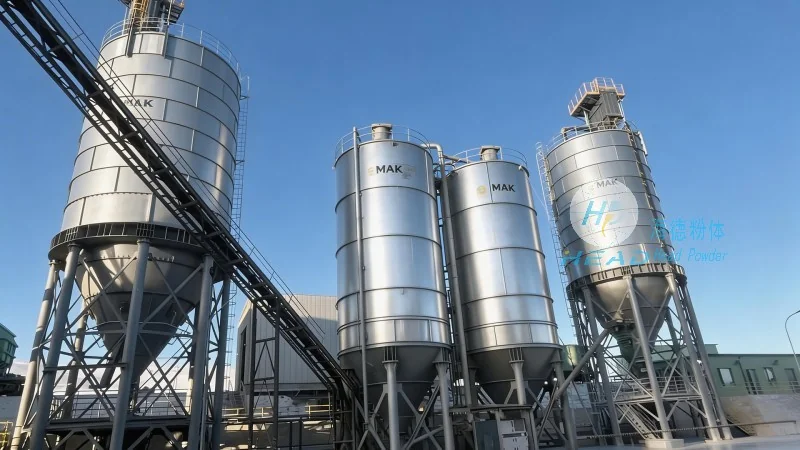
Shandong HeadPowder Engineering Co., Ltd., a leading manufacturer of powder handling equipment, specializes in designing and manufacturing rice powder conveyors tailored to the specific needs of the food processing industry. With a focus on quality, reliability, and innovation, the company has established itself as a trusted partner for businesses seeking efficient and safe powder transport solutions. HeadPowder's conveyors are engineered to meet the highest standards of hygiene and performance, ensuring that they can withstand the demands of continuous operation in demanding environments.
HeadPowder's facilities are located in Shandong, China, where the company leverages advanced manufacturing technologies and a team of experienced engineers to develop cutting-edge powder handling solutions. The company's commitment to customer satisfaction and product excellence has earned it a reputation for delivering reliable and durable equipment that enhances the efficiency and safety of industrial processes. By partnering with HeadPowder, businesses can benefit from tailored solutions that address their unique challenges and contribute to the overall success of their operations.




