Clay sand is a fundamental raw material in the foundry industry, serving as the primary component for creating molds and cores used in metal casting processes. The efficient and reliable transport of clay sand from storage to the molding line is crucial for maintaining production efficiency and ensuring consistent product quality. Various conveying methods are utilized to handle clay sand, each with distinct operational characteristics, advantages, and limitations. This article provides a detailed comparison of common clay sand conveying methods, focusing on their applications and performance in industrial settings.
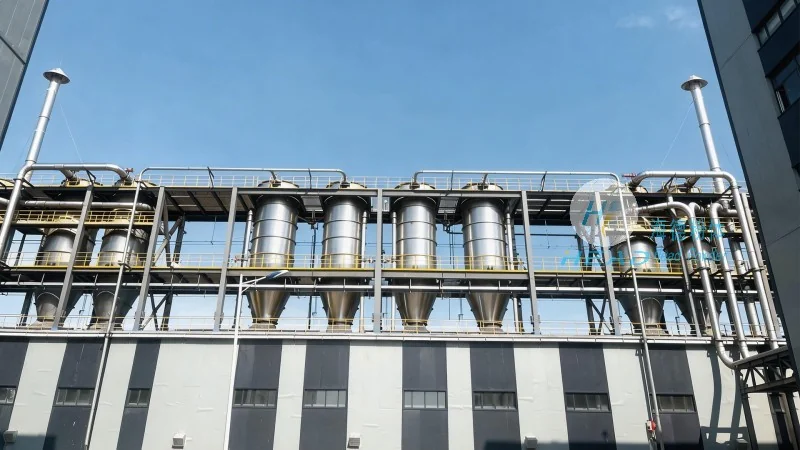
Overview of Key Clay Sand Conveying Technologies
When selecting a clay sand conveying system, several factors must be considered, including material properties (such as moisture content, particle size, and bulk density), required throughput, and the operational environment. The most prevalent methods include screw conveyors, pneumatic (air) conveying systems, and hydraulic pumping solutions. Each technology offers unique benefits and challenges, making the choice dependent on specific production requirements and operational constraints.
Screw Conveyors: A Traditional and Reliable Solution
Screw conveyors, also known as auger conveyors, are among the most widely used equipment for transporting clay sand. These systems consist of a rotating helical screw inside a trough, which moves material along the length of the conveyor through a pushing action. The primary advantages of screw conveyors include their simplicity, low maintenance requirements, and ability to handle a wide range of bulk materials, including clay sand with moderate moisture content. They are well-suited for short to medium-distance transport and can operate continuously without the need for complex controls. However, screw conveyors have limitations in terms of maximum transport distance and may experience issues with material bridging or blockages, especially when dealing with cohesive or high-moisture clay sand. The design typically requires a slight incline to facilitate material movement, and the trough must be properly sealed to prevent dust emissions and maintain material integrity.
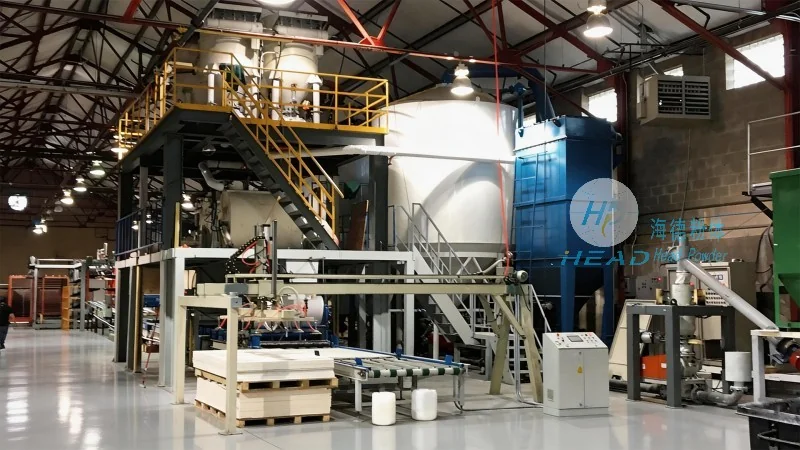
Pneumatic Conveying Systems: Air-Powered Transport for Versatility
Pneumatic conveying, or air-based transport, utilizes compressed air to move clay sand through a pipeline system. This method is particularly effective for handling fine powders and can achieve long-distance transport with minimal material degradation. There are two main types of pneumatic conveying: dilute-phase and dense-phase. Dilute-phase systems use high-velocity air to suspend the sand particles, enabling rapid and efficient transport over several hundred meters. Dense-phase systems operate at lower air velocities, creating a slurry-like flow that reduces particle breakage and improves material handling for sensitive clay sand. A key benefit of pneumatic conveying is the absence of mechanical contact between the sand and the conveyor, which minimizes wear and reduces the risk of contamination. However, this method is more energy-intensive compared to screw conveyors, as it requires significant air pressure and flow rates. Additionally, the system's performance is highly dependent on the particle size distribution and moisture content of the clay sand, as overly fine or moist particles may cause clogging in the pipeline.
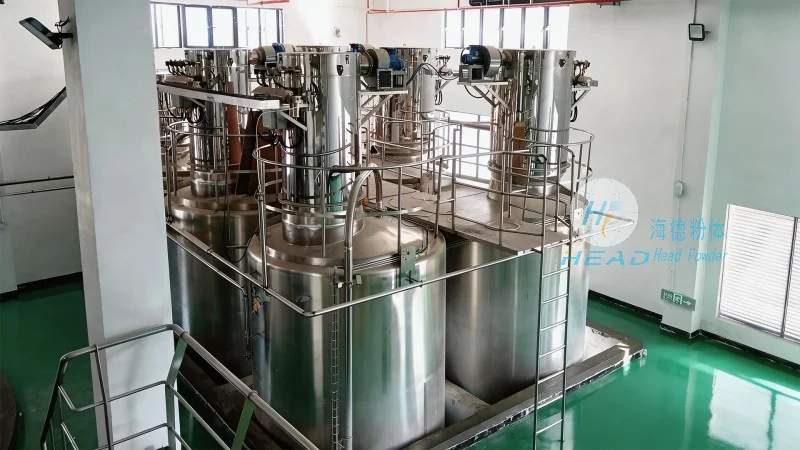
Hydraulic Pumping Solutions: High-Pressure Transport for Long Distances
Hydraulic pumping, or slurry pumping, involves transporting clay sand mixed with water through a pipeline using a pump. This method is ideal for long-distance transport, as it can handle high pressures and maintain a consistent flow rate over several kilometers. The slurry is typically prepared by mixing the clay sand with water to achieve a specific viscosity, which allows for smooth pumping through the pipeline. Hydraulic pumping systems are commonly used in large-scale foundries where the distance between the sand storage and the molding line is extensive. The primary advantage of this approach is its ability to handle high volumes of material with minimal energy consumption compared to pneumatic systems. However, the setup is more complex and requires regular maintenance of the pump and pipeline to prevent clogging or wear. The presence of water in the slurry also necessitates additional equipment for dewatering and moisture control, adding to the operational complexity.
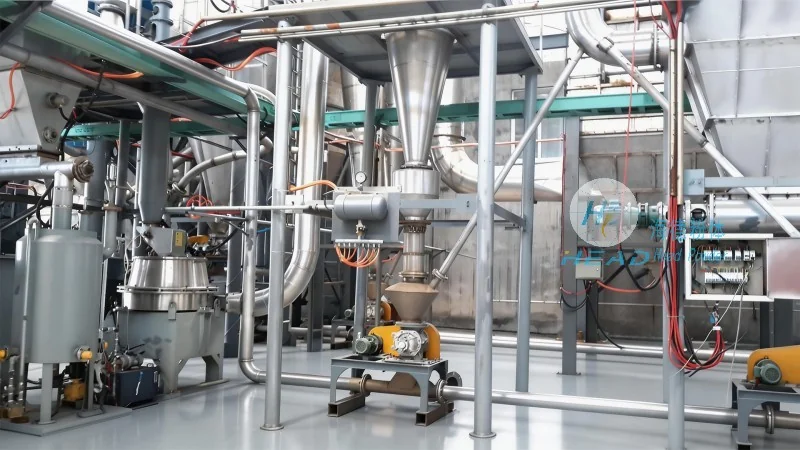
HeadPowder's Expertise in Custom Clay Sand Handling Solutions
Shandong HeadPowder Engineering Co., Ltd., a leading provider of industrial material handling solutions, specializes in designing and manufacturing tailored clay sand conveying systems. With a deep understanding of the unique challenges associated with clay sand transport, HeadPowder offers comprehensive solutions that integrate the strengths of different conveying technologies. The company's engineers work closely with clients to assess their specific production needs, including throughput requirements, distance constraints, and material characteristics, to recommend the most suitable conveying method. For instance, for short-distance transport with moderate throughput, a screw conveyor may be recommended, while for long-distance or high-volume applications, a combination of pneumatic and hydraulic systems may be employed. HeadPowder's commitment to quality and innovation ensures that their conveying solutions are not only efficient but also durable and cost-effective, helping foundries optimize their operations and improve overall productivity.
Conclusion: Selecting the Right Clay Sand Conveying Method
Choosing the appropriate clay sand conveying method is a critical decision for foundries aiming to enhance operational efficiency and maintain product quality. Screw conveyors offer simplicity and reliability for short distances, while pneumatic systems provide versatility and long-distance transport capabilities. Hydraulic pumping solutions excel in high-pressure, long-distance applications. By evaluating the specific requirements of their production process, foundries can select the most suitable conveying technology. Shandong HeadPowder Engineering Co., Ltd. stands ready to assist with the design and implementation of customized clay sand handling solutions, leveraging their expertise to address the unique challenges of clay sand transport in industrial settings.




