What is an Iron Ore Powder Pneumatic Conveying System? And What Are Its Design Principles?
Release time:2026-09-14 10:52:48
name of the company:Shandong Headpowder Engineering Co., Ltd.
telephone:156-6277-7102
contacts:Zhang manager
HeadPowder, a leading engineering company based in Shandong, China, specializes in the design and implementation of advanced pneumatic conveying systems for various industrial applications. This article explores the fundamental aspects of iron ore powder pneumatic conveying systems, focusing on their operational principles and design considerations.
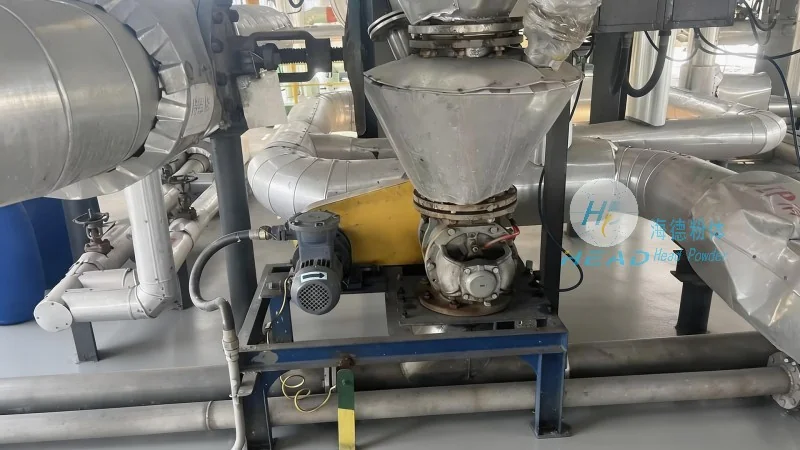
Introduction to Iron Ore Powder Pneumatic Conveying Systems
An iron ore powder pneumatic conveying system is a method used to transport fine iron ore powders through a pipeline using compressed air or other gas as the conveying medium. This technology is widely adopted in mining and processing industries due to its efficiency, flexibility, and ability to handle abrasive and dusty materials. The system typically consists of a material feed hopper, a conveyor line, and a discharge point, all integrated with air handling equipment such as blowers and filters.
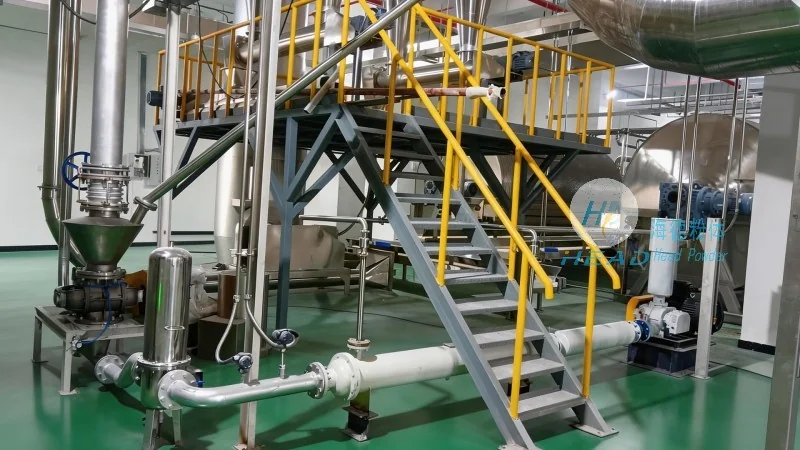
Key Components of the Pneumatic Conveying System
The effectiveness of an iron ore powder pneumatic conveying system relies on several critical components working in harmony. The primary components include:
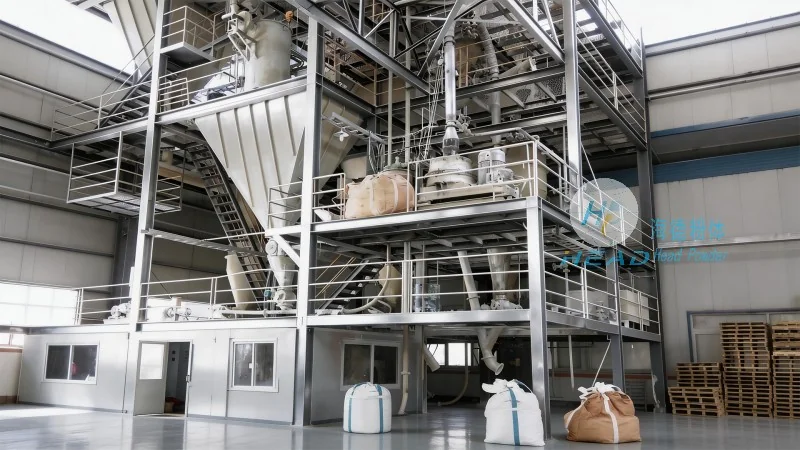
- Feed Hopper: A container that stores the iron ore powder and feeds it into the conveying line. It often features a valve mechanism to control the flow rate and prevent material buildup.
- Conveying Line: A pipeline system that transports the powder and air mixture. The line is usually made of durable materials like stainless steel or special alloys to withstand the abrasive nature of iron ore particles.
- Air Handling Unit: This includes blowers or compressors that generate the necessary air pressure and flow rate. The air volume and pressure are crucial for maintaining the material in suspension and ensuring smooth transport.
- Filter and Dust Collection System: As the air exits the conveying line, it carries fine dust particles. A filter system captures these particles, ensuring compliance with environmental regulations and preventing dust contamination in the processing facility.
- Control System: Modern systems are equipped with automated controls that monitor pressure, flow rate, and material levels, allowing for real-time adjustments and optimizing the conveying process.
Design Principles and Operational Considerations
The design of an iron ore powder pneumatic conveying system involves several key principles to ensure efficient and reliable operation. These principles include:
- Material Characteristics: The physical properties of iron ore powder, such as particle size, density, and moisture content, significantly impact the system's design. Larger particles may require higher air velocities to maintain suspension, while moisture can affect the material's flowability and the system's efficiency.
- Air Velocity and Pressure: The air velocity within the conveying line must be sufficient to keep the powder in suspension without causing excessive wear on the pipeline. The pressure required is determined by the system's length, elevation changes, and the number of bends or fittings in the line.
- System Layout and Piping Design: The layout of the conveying line, including the number and angle of bends, the presence of vertical and horizontal sections, and the overall length, all influence the system's performance. Proper piping design minimizes pressure losses and ensures consistent material transport.
- Energy Efficiency: Optimizing the system for energy efficiency is a critical design consideration. This involves selecting appropriate air handling equipment, minimizing pressure losses through well-designed piping, and using efficient control strategies to reduce energy consumption.
- Environmental and Safety Compliance: The system must comply with environmental regulations regarding dust emissions and safety standards for handling abrasive materials. This includes implementing effective dust collection systems and ensuring proper ventilation and protective measures in the processing area.
Applications and Benefits of Iron Ore Powder Pneumatic Conveying
Iron ore powder pneumatic conveying systems are widely used in various industrial applications, including:
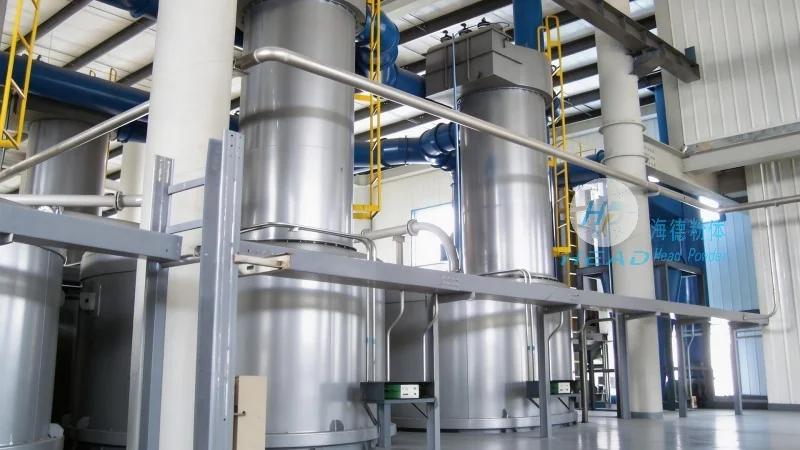
- Mining and Processing: Transporting iron ore from crushers and screens to storage silos or processing units.
- Steel Production: Conveying iron ore to blast furnaces or other processing equipment in steel mills.
- Industrial Manufacturing: Handling iron ore powders in other manufacturing processes where fine powders are required.
The benefits of using pneumatic conveying systems for iron ore powder include reduced labor costs, minimized material handling losses, improved safety by eliminating manual handling of dusty materials, and enhanced process control. Additionally, the system's flexibility allows for easy integration into existing industrial facilities and can be scaled to accommodate varying production volumes.




